








Fun Food Sensory Activities for Children: Learning Through Play
Posted August 25th 2026
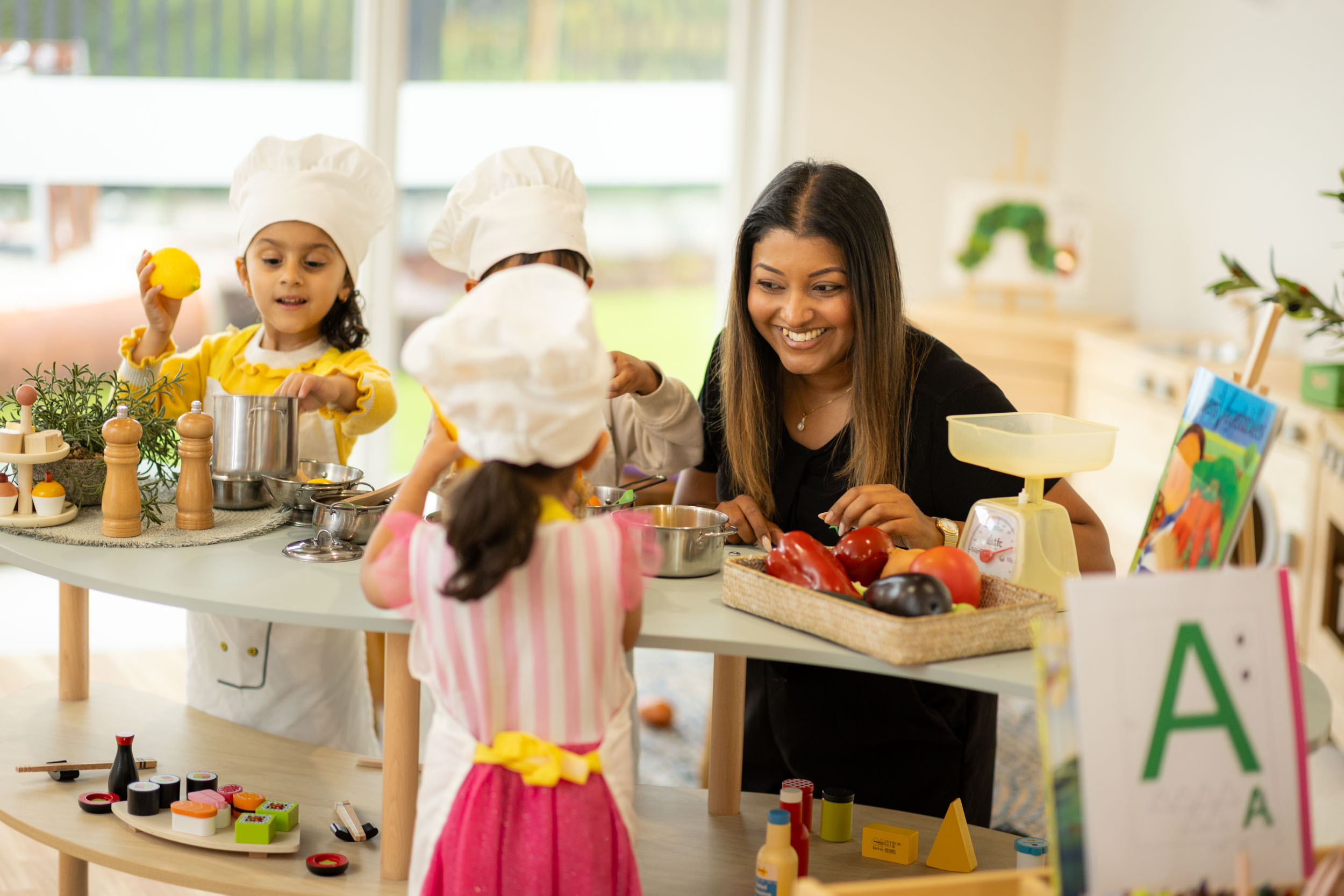
Food is more than something we eat. for young children, food can be an exciting opportunity to explore colour, texture, smell, taste and sound while developing important skills through hands on play. Food sensory activities encourage children to investigate familiar ingredients in new ways, make discoveries, ask questions and build confidence as they learn about the world around them. With a little preparation and plenty of supervision, food based sensory play can become a fun and meaningful part of early learning at home or in an early learning setting.
What is Sensory Food Play?
Sensory food play is simply a way for children to explore food using their senses. It doesn't have to be about eating. Instead, children can touch, smell, look at, listen to and, when they're comfortable, taste different foods and ingredients. You might notice your child enjoying the feeling of dry pasta between their fingers, listening to cereal crunch, comparing the colours of fruit or smelling different herbs. At Aspire, our educators use hands-on experiences like these to encourage children to explore their environment, follow their interests and learn through play. Sensory food play can also be a lovely way to introduce children to unfamiliar foods without putting pressure on them to eat.
Enhances fine motor skills
Activities such as scooping, pouring, stirring, threading and sorting help children strengthen the small muscles in their hands and fingers. For example, transferring pasta between containers or threading pasta onto a piece of string requires concentration and hand-eye coordination. These skills can support your child's growing independence with everyday activities such as using cutlery, drawing, dressing and writing. At Aspire, our educators incorporate hands-on experiences into children's play to help build these skills naturally and enjoyably.
Strengthens sensory processing (touch, taste, smell, sight)
Food offers a wonderful variety of sensory experiences. Children can discover that foods can be soft, crunchy, smooth, rough, sticky, dry, warm or cool. Exploring these differences helps children become familiar with a range of sensory experiences in a relaxed environment. Children are encouraged to explore at their own pace. If your child doesn't like touching a particular texture, that's okay. They might prefer to look at it, smell it or use a utensil instead.
Expands language & descriptive vocabulary
Sensory play is also a great opportunity for children to develop their language. As your child explores, you can ask simple questions such as:
These conversations introduce new words and encourage children to describe what they see, hear, smell and feel. Aspire educators use everyday experiences to encourage children to communicate their ideas, ask questions and build their confidence.
Supporting picky eaters
If your child is hesitant about trying new foods, sensory play can be a gentle way to help them become more familiar with different foods. Importantly, your child doesn't have to eat the food. They might start by looking at it, then touching it, smelling it or playing with it. These small steps can help unfamiliar foods feel less intimidating over time. Food exploration should be positive and pressure-free. Children should never feel forced to eat something they don't want to eat.
Encourages healthy eating habits
Sensory food activities can help children become curious about the foods they see every day. Exploring colourful fruits and vegetables, herbs, grains and other ingredients can encourage children to notice different shapes, colours, smells, textures and flavours. You can also use these activities to talk about where food comes from, how it changes when we prepare it and the different foods we enjoy as part of a balanced diet. These everyday conversations can become part of children's broader learning and help create positive experiences around food.
Age-appropriate food / choking risks
Choose foods and materials that are appropriate for your child's age and developmental stage. Some foods, such as whole dried beans and other small, hard or round items, can present choking risks for young children. Always supervise your child closely and follow appropriate safety guidance.
Allergies & dietary restrictions
Before trying a food sensory activity, consider your child's known allergies, intolerances and dietary requirements. If your child attends Aspire, our team can work with families to understand individual dietary needs and ensure activities are planned appropriately.
Clean-up & cross-contamination
Food play can get messy - and that's often part of the fun! Wash hands before and after activities and make sure surfaces, utensils and containers are clean. If food is being used for sensory play rather than eating, keep it separate from food intended for consumption. Be particularly careful when using ingredients that are common allergens.
Sensory sensitivities
Every child responds to sensory experiences differently. Your child might love getting messy, while another child may dislike sticky textures or strong smells. There's no right or wrong way to explore. Give your child choices and allow them to participate in a way that feels comfortable. They might prefer to use a spoon rather than their hands, watch the activity before joining in or explore just one sensory element at a time. At Aspire, our educators recognise that every child is different and can adapt experiences to support individual interests, comfort levels and abilities.
7 Fun Food Sensory Activities Ideas
You don't need lots of special equipment to create a fun sensory experience. Many activities can be made using ingredients and items you already have at home.
1. Coloured Rice or Pasta
Create a colourful sensory tray using coloured rice or pasta. Add cups, spoons, scoops and containers and let your child explore. They can scoop, pour, transfer, mix colours and create patterns. This activity encourages children to explore sight and touch, while also listening to the sounds the rice or pasta makes as it moves between containers. You can make it a learning opportunity by asking your child to count the scoops, identify colours or create a repeating pattern.
2. Cereal Crunch Station
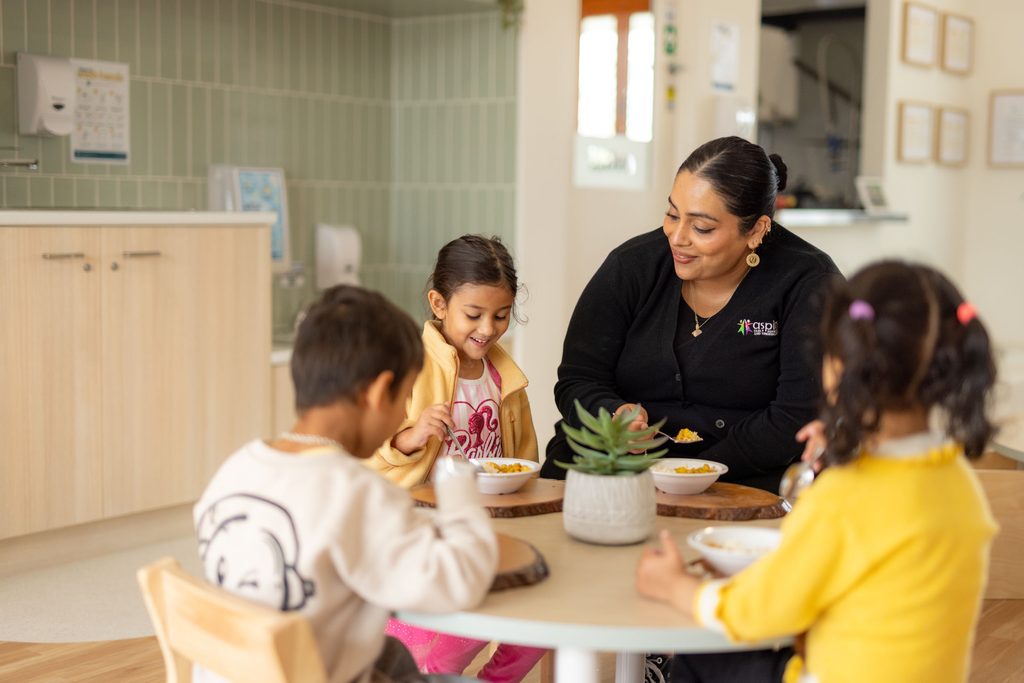
Grab a few different types of age-appropriate cereal and place them into separate bowls. Let your child explore the different shapes, colours and textures. They can scoop and pour the cereal, sort it into groups or listen to the different sounds it makes. If the cereal is safe for your child to eat, you can also encourage them to taste and compare the different flavours. This activity can stimulate sight, touch, hearing and taste, while encouraging early counting, sorting and language skills.
3. Bean Sorting
For older children who can safely handle the materials, provide a selection of suitable beans or pulses and ask your child to sort them by colour, size or shape. They can create different groups, count how many are in each group or make simple patterns. This activity encourages sight and touch while introducing early maths concepts such as counting, comparing, grouping and sorting.
Parent tip: Whole dried beans can be a choking hazard for young children, so choose materials based on your child's age and developmental stage and always supervise.
4. Homemade Playdough
Homemade playdough is a classic sensory activity and a great way for children to get creative. Encourage your child to squeeze, roll, flatten and shape the playdough. Add cookie cutters, rolling pins or child-safe tools and see what they can create. You can even make food-inspired creations such as pretend cupcakes, pizzas or fruit. Playdough encourages touch and sight, while scented playdough can also engage smell. The actions involved in manipulating the dough can help strengthen little hands and support fine motor skills.
5. Pasta Necklaces
Large, suitable pieces of pasta and thick string can be used to create colourful pasta necklaces. Let your child choose their favourite pasta shapes and create their own designs. They can practise threading, count the pieces they use or create repeating colour and shape patterns. This activity engages sight and touch while supporting fine motor skills, hand-eye coordination and concentration.
Parent tip: Pasta and string can present choking or strangulation risks. Choose materials that are appropriate for your child's age and supervise them closely.
6. Mystery Taste Test
Choose a few familiar, age-appropriate foods and invite your child to explore them. Start by looking at the foods together. What colours and shapes can they see? What do they smell like? How do they feel? If your child is comfortable, they can taste each food and describe what they notice. Is it sweet, sour, crunchy, soft, juicy or smooth? This activity engages taste, smell, sight and touch while helping children develop their descriptive vocabulary. Remember, there's no pressure to taste. The goal is exploration, not making your child eat something they don't want to.
7. Herb & Spice Smell Jars
Create simple smell jars using familiar herbs and spices such as mint, basil, rosemary or cinnamon. Place a small amount in secure containers and invite your child to smell each one. Ask them which smells they like, whether a smell is strong or gentle and whether it reminds them of anything. This activity primarily explores smell, while also encouraging communication and observation. It's a simple activity, but you might be surprised by how much conversation it creates!
Sensory play is a natural part of play-based learning at Aspire. Our educators provide children with opportunities to explore, experiment and discover through hands-on experiences. Food-based activities can be incorporated into children's learning in many different ways. Children might sort ingredients while developing early maths skills, describe different textures while building their vocabulary or thread pasta while strengthening their fine motor skills. Most importantly, these activities give children the opportunity to be curious and learn through doing. At Aspire, we understand that every child is unique. Our educators can adapt experiences to suit children's ages, interests, abilities and individual sensory preferences, helping each child feel comfortable and confident as they explore.
Is sensory food play safe for infants?
Sensory food play can be a safe and enjoyable way for infants to explore food when it’s appropriate for their developmental stage and always supervised. Infants learn about food through all their senses. Touching, squishing, smelling and tasting different foods can help them become familiar with new textures and flavours and build confidence around food. For younger children, start with simple, age-appropriate foods and textures. As they develop their eating skills, you can gradually introduce more variety. Safety is always important. Make sure foods are prepared in a way that is suitable for your infant, avoid choking hazards, and always supervise closely.
How do I avoid choking hazards during sensory play?
When babies are exploring food through sensory play, safety comes first. Choose foods and materials that are appropriate for your baby’s age and stage of development, and always supervise them closely. Avoid small, hard, round or sticky foods that can block the airway, such as whole grapes, nuts, popcorn and chunks of raw vegetables. Foods should be prepared in a safe texture and size for your baby’s developmental stage. Keep your baby seated upright and within arm’s reach during food play, and make sure they are alert and supervised at all times. It’s also important to regularly check the play area for small objects that could accidentally be picked up and mouthed.
How can I support children who are sensory sensitive?
Every child responds to sensory experiences differently. If your child is sensitive to certain textures, smells, sounds or foods, give them time to explore at their own pace. Start with small, manageable experiences and avoid pressure to touch, taste or participate. Offering choices, keeping the environment calm and allowing breaks can help your child feel more comfortable. Most importantly, follow their cues and celebrate small steps. If sensory sensitivities are affecting eating or everyday activities, speak with a healthcare professional for individual support.
How often should I do food sensory activities?
There’s no set number of times you need to do food sensory activities. A few short, relaxed opportunities each week can be a great place to start. Keep activities simple and follow your child’s cues. Even a few minutes of exploring, touching or smelling food can be beneficial. The goal is to make food experiences positive and pressure-free, rather than focusing on how often you do them.
What foods are best to use or avoid for sensory play?
Choose soft, age-appropriate foods with different colours, textures, smells and shapes. Foods such as mashed vegetables, soft fruit, cooked pasta, yoghurt and smooth spreads can provide a range of sensory experiences. Avoid foods that are hard, small, round, sticky or difficult to chew, as these can be choking hazards. Always prepare food according to your child’s age and developmental stage, and supervise them closely during sensory play. The aim is to make food exploration safe, simple and enjoyable - without pressure to eat.
How do I manage mess and cleanup?
Mess is a natural part of sensory food play! Keep things simple by using a washable mat, tray or easy-to-clean surface underneath the activity. Have a damp cloth and wipes nearby, and consider using clothes that can get messy. There’s no need to clean up straight away - giving your child time to explore can be part of the experience. Keep activities short and manageable, and involve your child in the cleanup as they get older. The goal is to make food exploration enjoyable, not stressful.
How to involve parents / caregivers in food sensory activities?
Parents and caregivers can make sensory food play a positive, relaxed experience by joining in and following the child’s lead. Try exploring foods together by touching, smelling, looking at and talking about different textures and colours. Avoid pressure to taste or eat - simply being curious and comfortable around food is valuable. Keeping activities simple and sharing ideas between home and care settings can also help children build familiarity and confidence with food.
Can children with allergies participate?
Yes, children with food allergies can still enjoy sensory food activities with the right precautions. Choose foods that are safe for the individual child and always follow their allergy management plan. Check ingredients carefully, prevent cross-contamination, and make sure all parents, caregivers and educators know the child’s allergies and what to do in case of a reaction. When in doubt, speak with the child’s healthcare professional before introducing a new food. If you liked this article, we also have a range of other resources that provide education and tips for parents.
What do I do with leftover food from sensory activities?
For hygiene and safety, it’s best not to reuse food that has been handled during sensory play, especially if children have touched, tasted or played with it. Food that hasn’t been used can be stored safely according to normal food storage guidelines and enjoyed later. Otherwise, leftovers can be composted where possible. Keeping portions small can also help reduce food waste while still giving children plenty of opportunity to explore.
If you liked this article, we also have a range of other resources that provide education and tips for parents. Check out some of them below: