








The Importance of Cultural Diversity & Awareness in Early Education
Posted February 13th 2025

Australia is home to people from a range of different cultural, ethnic and racial backgrounds. In fact, 1 in every 3 people in the country are born overseas. Because of this, children will learn from, interact with, and make friendships with people of different cultures from their own. A positive and accepting community is built when children grow up to understand and respect the cultural diversity of the people around them.
This resource will address the importance of cultural diversity and awareness in early education, how it ties into the Early Learning Years Framework (ELYF) and how Aspire centres embed cultural awareness in their curriculum.
Cultural diversity in early childhood is when children from different backgrounds learn about and respect other people's cultures. It means that young children are aware of the differences that make each person unique, including different skin and hair colours, language, traditions and customs and the way they relate to their heritage.
Teaching young children about people with Culturally and Linguistically Diverse (CALD) backgrounds builds them up to be more empathetic, respectful and inclusive adults. This may be done in several ways, such as reading books about different cultures or with characters from a CALD background, celebrating cultural events or having room displays and activities about where each child comes from.

Cultural competence is a key part of the Early Learning Years Framework (ELYF). It falls under the “Practice” outcome, which lies under the larger framework of “Belonging, Being and Becoming”.
The ELYF defines cultural competence as “a set of congruent behaviours, attitudes and policies that come together in a system, agency, or among professionals that enable them to work effectively in cross-cultural settings.” (Tong and Cross in VACCA 2008, quoted on p. 23, in the Educators’ Guide to the EYLF, p. 21). Values such as respect for diversity, fairness, truth, equity and social justice underpin cultural competence in the ELYF.
According to the ELYF (National Quality Standard Professional Learning Program, Newsletter No. 42, 2012), cultural competence includes:
Exposure to diverse perspectives helps children develop a more inclusive and empathetic understanding of the world. This early foundation encourages lifelong appreciation for diversity and prepares them to navigate and contribute to a multicultural society as they grow.
Being a part of a culturally diverse community exposes children to multiple languages, dialects and communication styles. This enhances their vocabulary and linguistic awareness. It also encourages active listening as children listen to their peers or teachers as they share about their cultural and ethnic backgrounds.
Learning a second language in an early education setting can also increase pre-reading and pre-writing skills. Research shows that learning a secondary language develops children’s literacy skills, improves memory, builds a child’s sense of identity and promotes brain growth.

By learning about different cultures, celebrations and languages, young children begin to understand that our differences make us unique, which opens the door to empathy and inclusivity. From this, they learn about and appreciate different perspectives, beliefs, and practices, fostering a sense of respect and understanding for others. This ultimately leads to the development of empathy and the ability to include people from diverse backgrounds in their social interactions.
As children learn about each other and their cultural heritage, it is an amazing opportunity for them to strengthen both social skills and friendships. It enhances their communication and socialisation skills as they learn to interact with peers from various backgrounds.


Cultural diversity in early education enhances cognitive development by exposing children to different perspectives and fostering critical thinking and problem-solving skills. Engaging with diverse languages, traditions, and experiences strengthens cognitive flexibility, adaptability, and creativity.
Through cultural awareness initiatives children develop their identity by allowing them to see their own culture reflected and valued in their centre. This fosters a sense of belonging and self-worth, as children recognise and appreciate their unique backgrounds. Through CALD interactions, they gain confidence in expressing their identity whilst building respect and appreciation for different cultural perspectives.
Cultural diversity is important for families because it fosters inclusivity, understanding, and respect for different backgrounds, creating a sense of belonging in communities. It allows families to learn from one another, share traditions, and build meaningful relationships that enrich social and emotional well-being. Embracing diversity also helps parents raise open-minded, empathetic children who are prepared to thrive in a multicultural society.
Multiculturalism helps create a strong sense of community by encouraging families to connect, share experiences, and learn from one another. When parents are from different cultural backgrounds and share their customs, values and celebrations with their children, it helps to create a sense of safety, acceptance and community within the family unit. By engaging in open conversations, families develop meaningful relationships and a sense of belonging, making the community more supportive and united.

Aspire Early Education encourages parent and family involvement by creating opportunities for families to share their traditions, languages, and experiences in the learning environment. When families see their culture valued in the classroom, they feel more connected and engaged, fostering stronger relationships with educators and other families. Inclusive activities, such as multicultural events and storytelling, invite parents to participate in their child’s education, strengthening the home-school partnership.
Cultural diversity broadens educators' understanding of different backgrounds, allowing them to adapt their teaching styles to be more inclusive and responsive to all students' needs. Just like the children they teach, early educators are constantly learning, and expanding cultural perspectives in teaching is a key step in ongoing growth.
Engaging with diverse cultures encourages educators to continuously learn, develop new strategies, and enhance their skills in creating inclusive and equitable learning environments. Tailoring the curriculum to be culturally aware and impactful allows educators to grow in their teaching methodology.
A culturally diverse approach fosters a more engaging and meaningful learning experience, helping students feel valued and supported. This, in turn, enhances their academic and social development.
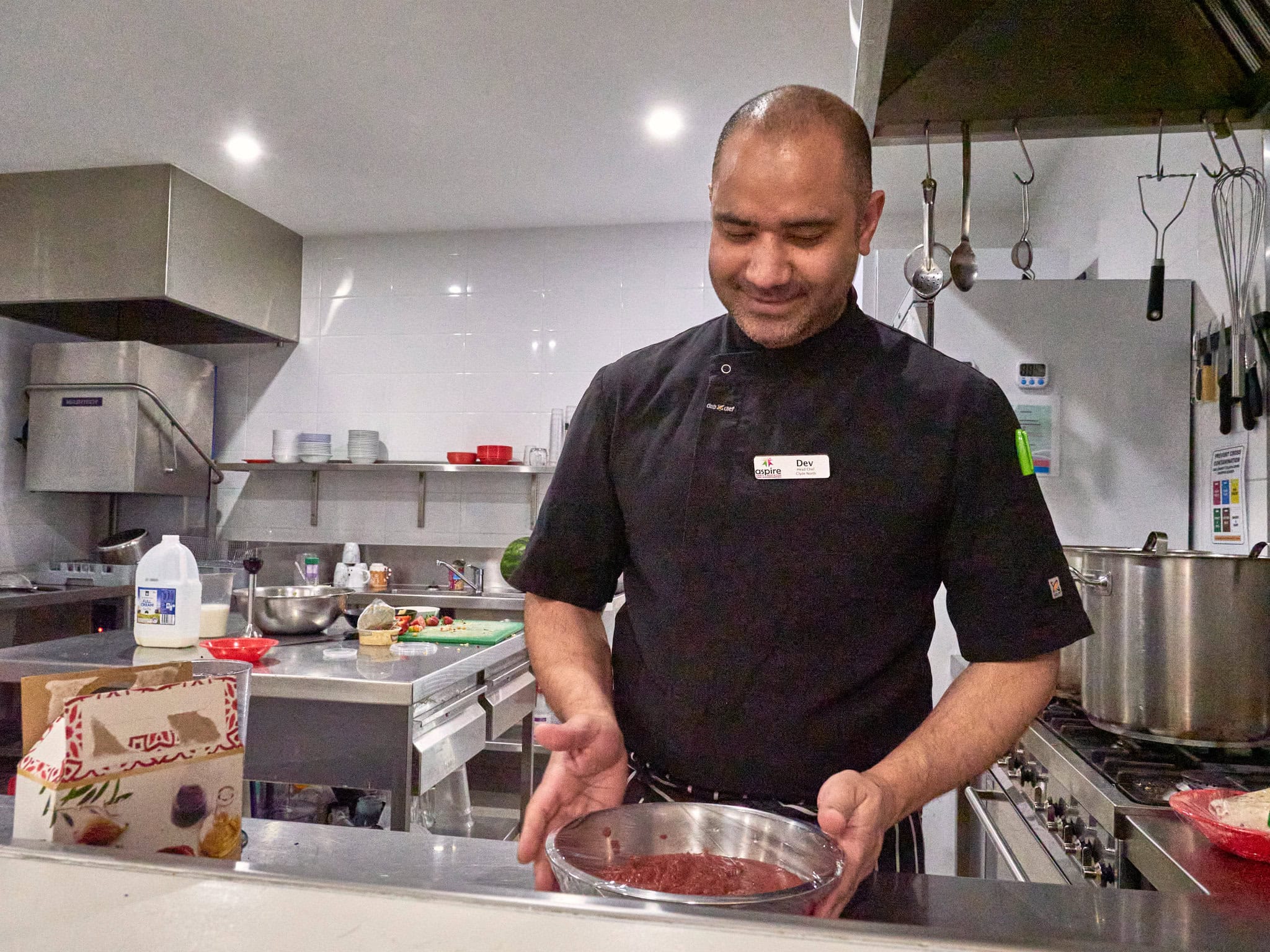
Aspire’s fantastic chefs are skilled in creating a variety of dishes from different cultures and cuisines. Giving children the opportunity to eat meals like what they eat at home can make them feel more comfortable when eating, and means picky eaters are more likely to eat. On the other hand, giving children the opportunity to taste food from cultures outside their own can open their eyes, and tastebuds, to a world of food that they haven’t tried before. Some of Aspire’s favourite meals include Sri Lankan fish curry, Chinese chicken stir-fry, Italian meatballs and pasta, and Australian home-made veggie sausage rolls. Check out some of these delicious dishes below!




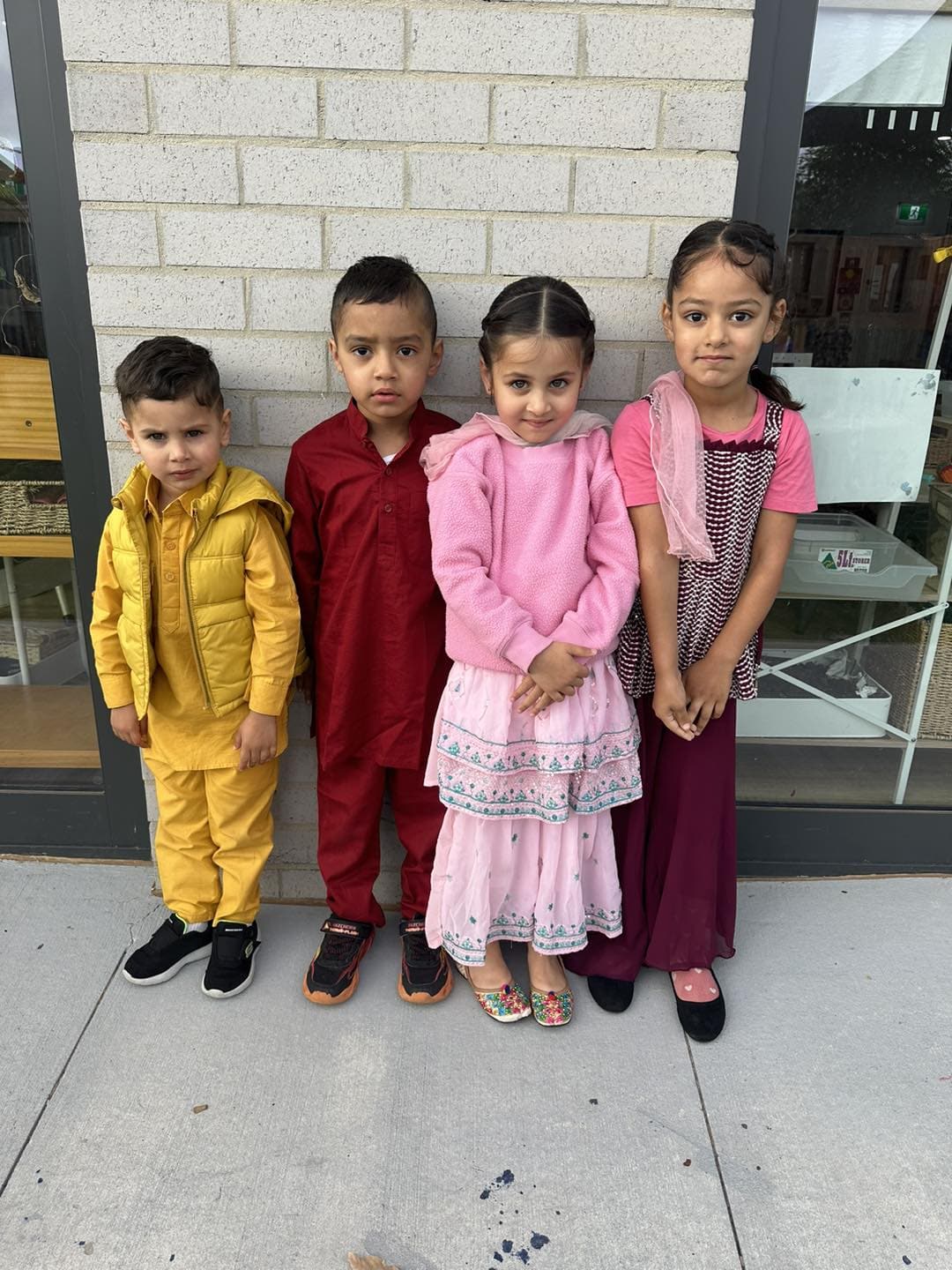
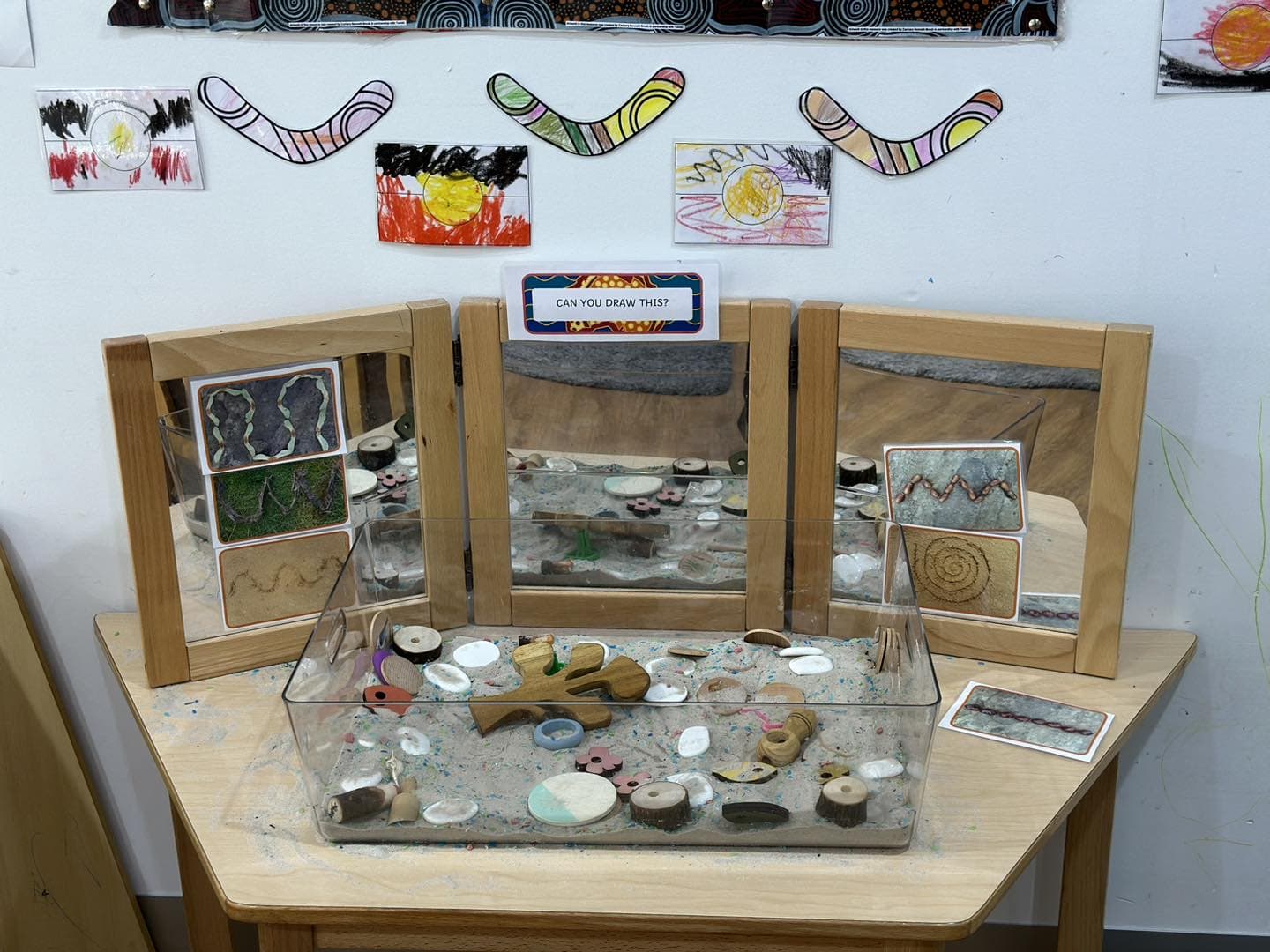
Celebrating cultures and diversity is embedded into Aspire’s curriculum. From lessons highlighting First Nations peoples’ perspectives and teaching about their cultures, to lessons about the countries that the room educators come from, there are many opportunities for learning about different cultures. Centre rooms are full of books and toys from different parts of the world, highlighting the cultures of the world. Aspire Riverwalk, Werribee participated in Diversity Week celebrations in 2024 to celebrate the diversity of the centre team. The centre team members dressed up in their cultural attire and talked to the children about their heritage.
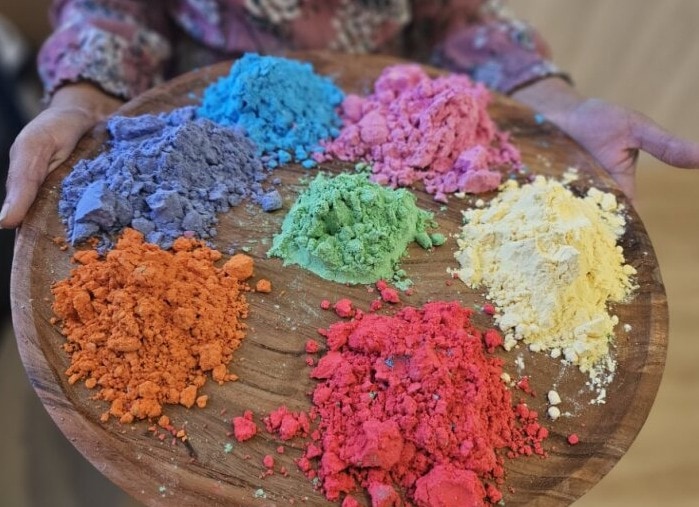
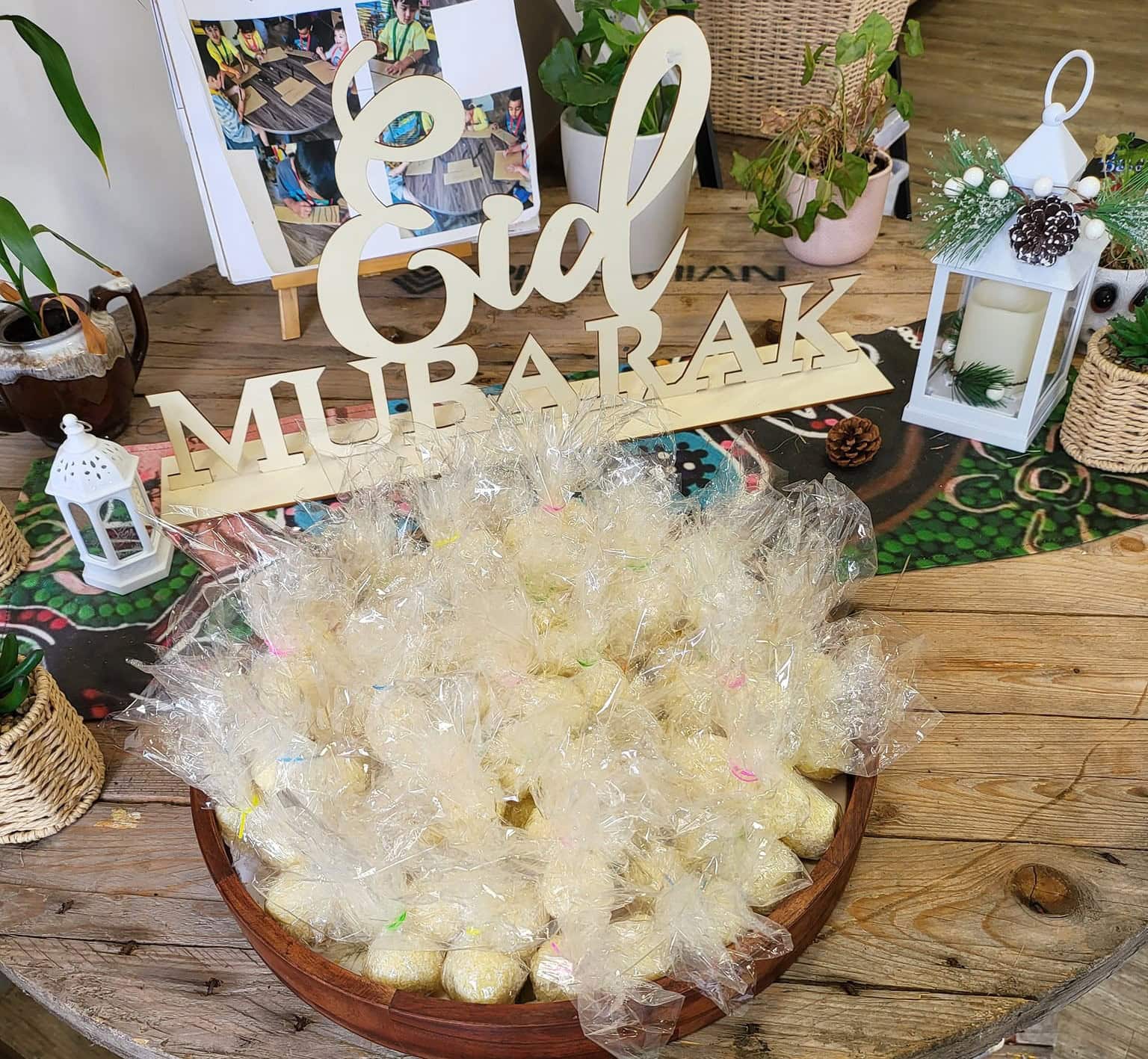
Aspire Early Education and Kindergarten is known for embracing and celebrating cultural events from around the world! In our busy calendar, Aspire centres celebrate and commemorate Lunar New Year, Ramadan, Holi, Eid al-Fitr, Easter, Anzac Day, Vesak, NAIDOC Week, Diwali, Halloween and Christmas, amongst many other days of importance. Children and families love celebrating the events that are important to them and feel support from the wider Aspire community through these celebrations.



Many Aspire centres incorporate learning an additional language into their curriculum through ELLA. The Early Learning Languages Australia (ELLA) program, developed by language and early education experts, is aligned with the ELYF. Some of the languages taught at Aspire centres include Mandarin, Spanish and AUSLAN. Several independent analyses have demonstrated the success of ELLA in introducing young children to a language other than English.

Exposure to diverse peers helps children develop social skills, empathy, and an appreciation for different perspectives, fostering inclusive and respectful relationships. At Aspire Early Education and Kindergarten one of the joys each child experiences is creating friendships, especially at a young age. As they engage with children from various walks of life, they begin to understand and appreciate differing perspectives, which strengthens their empathy and emotional intelligence.
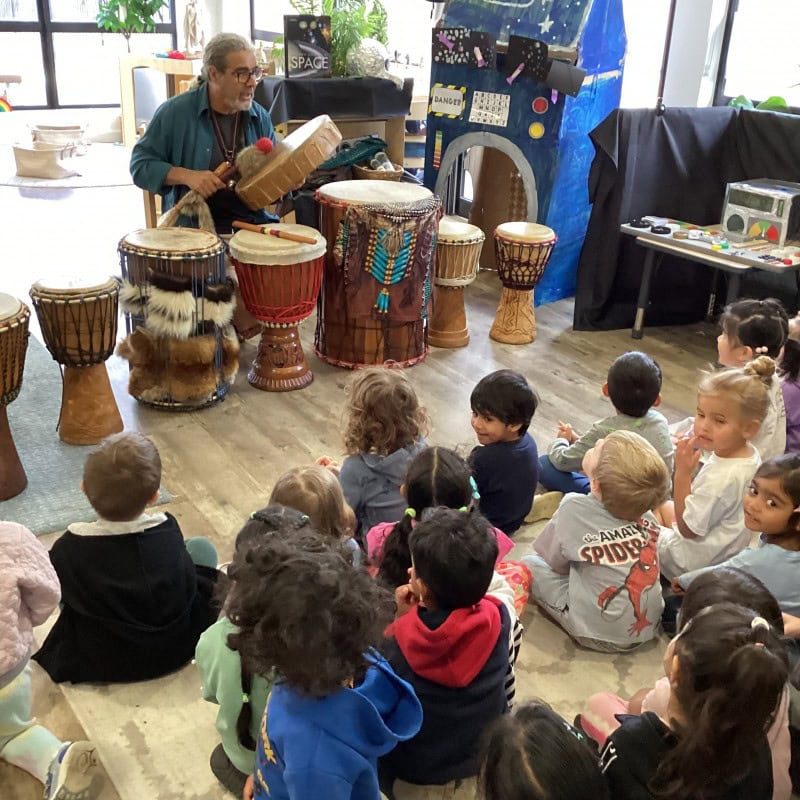
Participating in diverse incursions and excursions allows children to experience a range of cultural activities and learn about other cultures.
Aspire Baldivis has a great monthly incursion with Milliyaan Aboriginal Services. Cyril, a local First Nations community member, visits once a month and shares his culture and knowledge with the children. Children in each room love it when Cyril visits, with his tailored activities for each age group. You can learn more about this partnership at the blog here – Connecting to Country at Aspire Baldivis.
Other fantastic cultural incursions that centres participate in include Bollywood dancing, African drumming, Chinese ribbon dancers and Māori singers and performers.



In conclusion, cultural diversity in early education plays a crucial role in shaping well-rounded, empathetic, and socially aware individuals. By incorporating cultural awareness into the curriculum and encouraging inclusive activities, Aspire helps children, families, and educators appreciate diverse perspectives. This approach fosters a respectful learning environment, promoting belonging and mutual understanding through shared experiences. The commitment to embracing and celebrating various cultures not only enriches children's education but also builds a strong sense of community, connection, and belonging for all involved.