








Winter Activities for Kids: Indoor & Outdoor
Posted May 13th 2026

Winter can make it more challenging to keep children entertained, with shorter days, cooler temperatures and more time spent indoors. It’s also when screens can easily take over which is why balancing screen time with active, creative play is so important for children’s wellbeing and development. The good news is there are plenty of engaging and fun activities that suit toddlers, preschoolers and older kids alike – whether you’re staying cosy inside or heading outdoors for some fresh air.
When temperatures drop, children often become less active, which can impact their energy levels, mood and overall health. Incorporating fun winter activities helps keep kids moving, supporting physical development, coordination and strength. Even simple indoor games or short outdoor adventures can make a big different in maintaining healthy movement habits during winter.
Winter is the perfect time to slow down and embrace creative play. Activities like building forts, crafting or imaginative play allow children to express themselves and explore new ideas. These moments of creativity help develop problem solving skills, confidence and emotional expressions in a relaxed, low-pressure environment.
Play-based activities provide valuable learning opportunities, even in winter. Whether it’s measuring ingredients, exploring textures in sensory play or observing nature outdoors, children are constantly developing cognitive, social and language skills. Winter activities can be both fun and educational, helping children learn without even realising it.
Turn your living room into a magical hideaway using blankets, cushions and furniture. Building an indoor fort encourages teamwork, creativity and problem solving. Once it’s built, kids can read books, play games or enjoy quiet time inside their cosy space.
Create a simple treasure hunt using clues hidden around the house. You can tailor it to different age groups by adjusting the difficulty of the clues. This activity keeps kids active indoors while encouraging critical thinking and excitement as they search for the final prize.
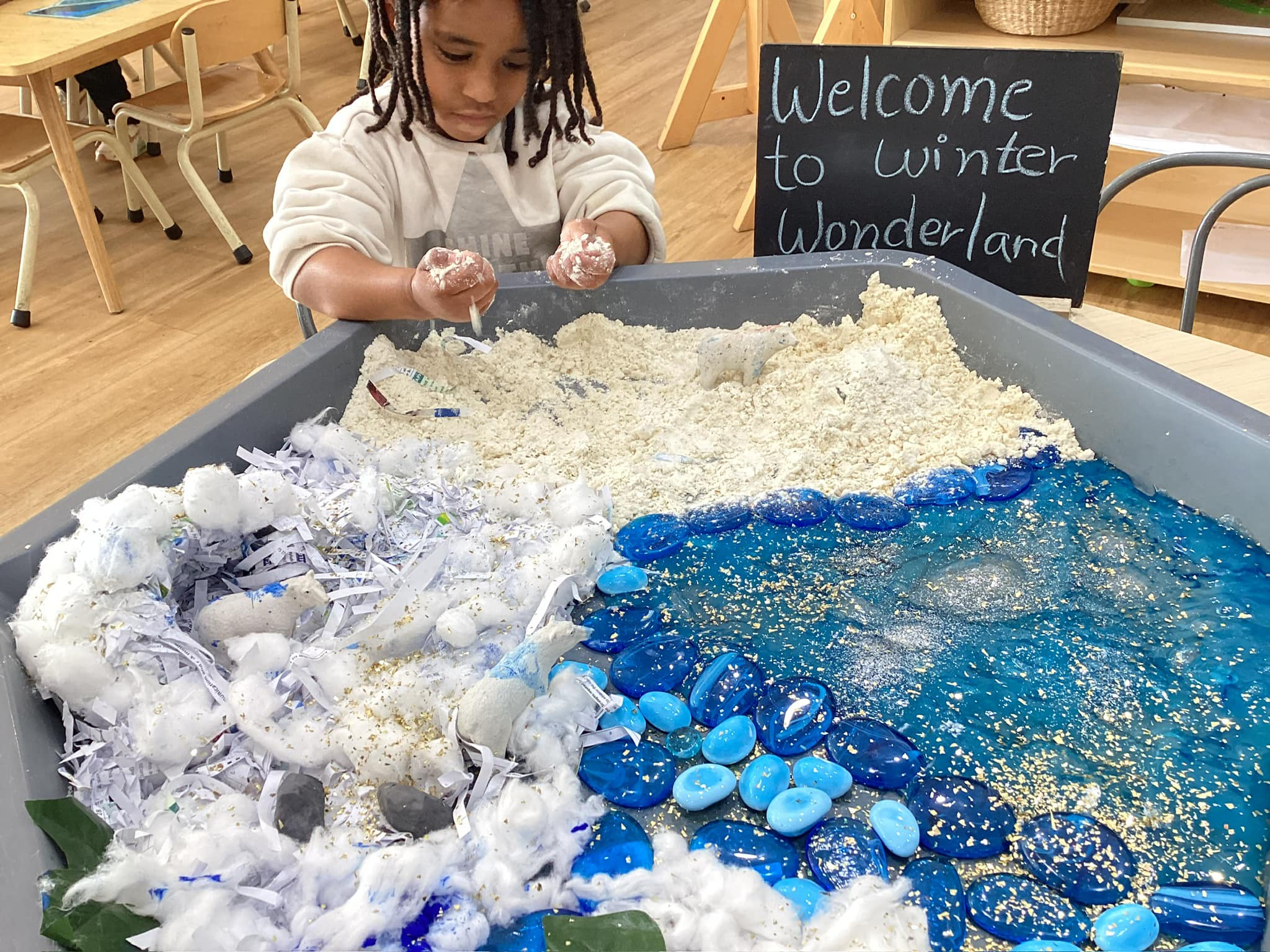
Fill a container with materials like cotton balls (snow), brown rice (ice) or small winter themed toys. Sensory bins are great for younger children, helping them explore textures, develop fine motor skills and engage in imaginative play.
Baking is a fun and educational way to spend time together. Children can help measure, mix and decorate treats like cookies or muffins. It's a great opportunity to introduce basic maths concepts while creating something delicious to enjoy as a family.
Set up a cosy move night with blankets, pillows, bean bags and snacks. Choose winter themed favourites like Frozen, Happy Feet or Ice Age to match the season and enjoy some relaxed, quality time together.
Rug up and head outside for a nature walk. Encourage children to observe changes in the environment, collect leaves or spot wildlife, keeping them active while sparking curiosity about the natural world.
Local markets are a great winter outing, offering fresh food, warm drinks and a lively atmosphere. Children can explore different stalls, try new foods and enjoy being a part of a community.
On milder winter days, a family bike ride is a great way to get fresh air and exercise. Choose safe, easy paths and dress in layers to stay comfortable while enjoying the outdoors.
Set up a tent in the backyard and create a mini camping experience. Add sleeping bags, warm blankets and maybe even some hot chocolate. It’s a fun way to bring adventure close to home, even in cooler weather.
If available, take children ice skating or visit a snow experience. These activities build balance and coordination while offering a fun, memorable winter outing – especially for kids who don’t often see snow.
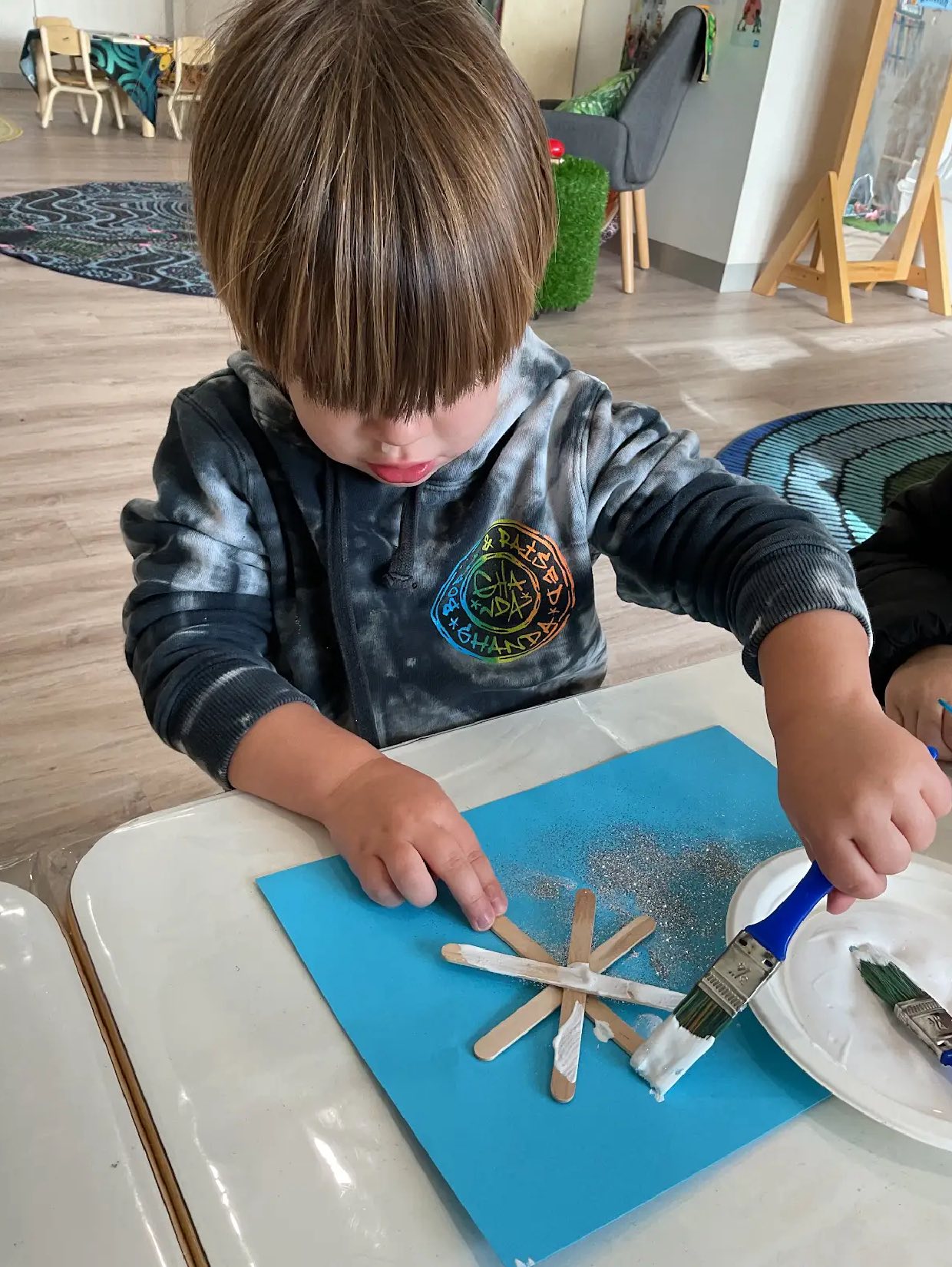
Fold and cut paper to create unique snowflake designs. This simple craft helps develop fine motor skills and creativity and the finished pieces can be used as decorations around the home.
Create your own snow globes using jars, water, glitter and small figurines. It's an interactive activity that children can personalise and proudly display.
Use winter colours like blues, whites and silvers to create seasonal art. Children can paint snowy scenes, abstract designs or even experiment with different tools like sponges or brushes.
Glue cotton balls onto paper to create snow scenes or snowmen. This tactile activity is especially great for younger children, helping with development and creativity.
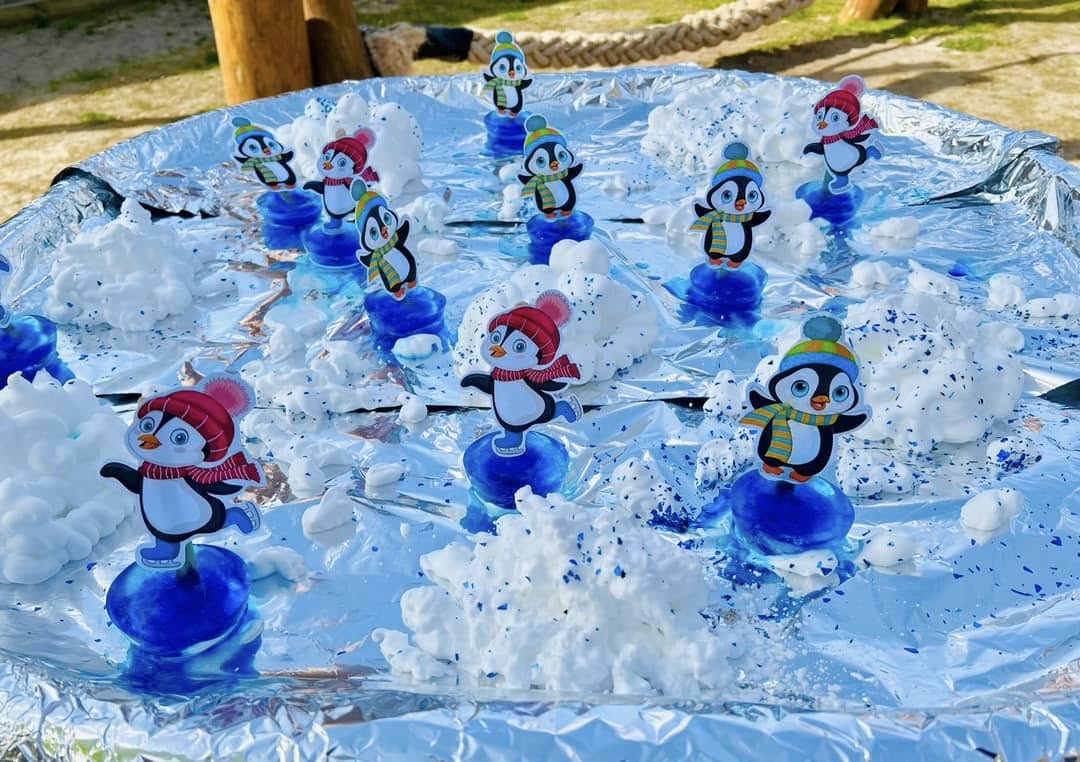
At Aspire Early Education and Kindergarten centres, winter is embraced with a range of engaging, play based experiences. Children have enjoyed activities such as winter sensory play with snow like textures, making creative arts and crafts inspired by the season, matching ‘Winter clothes’ activities, and group storytelling in cosy reading corners.
Keeping children warm and healthy during winter is essential. Dressing them in layers helps regulate body temperature throughout the day, while ensuring they stay dry protects against chills. Encouraging regular hand washing is also key to reducing the spread of germs, especially during cold and flu season. Simple hygiene habits such as covering coughs and sneezes with a tissue or elbow, along with routine sanitising of hands and frequently touched surfaces can further minimise the risk of illness. By building these practices into daily routines, children are more likely to stay well and continue engaging comfortably in learning and play throughout winter.
Dressing children in layers helps them stay comfortable as temperatures change throughout the day. Start with a warm, breathable base layer that sits close to the skin, such as a cotton or thermal top and leggings, to help retain body heat. Add a jumper or fleece for insulation, which can be easily removed if they become warm during active play. If the weather is wet or windy, a waterproof jacket is essential to keep children dry and protect them from the cold. Accessories also play an important role – think warm hats, beanies, scarfs or gloves. Footwear should be enclosed, supportive and weather appropriate, such as sturdy shoes or waterproof boots.
Layering is key, as children are often very active during play and can warm up quickly. By dressing them in layers, such as a t-shirt under a long-sleeve top or a lightweight jumper over a base layer, clothing can be easily adjusted. This allows children to remove a layer when they become too warm during energetic indoor play and put it back on when they cool down.
Make it fun and purposeful – plan activities like nature walks, bike rides or outdoor games. Keeping outings short and enjoyable helps build positive associations with outdoor play. Outdoor games such as obstacle courses, ball games or scavenger hunts can be tailored to different age groups and abilities. Ending on a positive note helps build strong, positive associations with outdoor play, encouraging children to see it as an enjoyable and rewarding part of their daily routine rather than something to avoid in cooler conditions.
Winter play supports physical health, builds resilience, encourages creativity and provides opportunities for social interaction and learning through new experiences. It also helps children adapt to different weather conditions and understand that play and learning can happen comfortably across all seasons.
Arrange playdates, attend community events or participate in group activities or classes to keep children connected with others. Playdates allow children to strengthen friendships in a familiar, relaxed setting, supporting confidence, communications skills and cooperation. Community events such as local festivals, library programs or seasonal celebrations expose children to a wider range of people. Group activities such as sports, music or creative workshops also encourage teamwork, listening and turn-taking.
Children may naturally be less active in winter due to colder temperatures, shorter daylight hours and a tendency to stay indoors more often. However, with intentional planning and the right encouragement, they can continue to be just as engaged, active and physically involved as they are in warmer months.
If you liked this article, we also have a range of other resources that provide education and tips for parents. Check out some of them below: