








The Benefits of Cooking Activities and Programs in Early Childhood Education
Posted April 30th 2025

Cooking with young children is one of those simple, joyful activities that brings so much more than just a delicious result. It’s quality time together, discovery, and learning without feeling like ‘learning.’ From baking muffins to picking herbs from the garden, standing still by different celebrations, cooking experiences in early childhood are full of developmental benefits.
Whether it’s part of a cooking program at an early education centre or something you enjoy at home, cooking activities play an important role in early childhood education. Children develop confidence, practice problem-solving, and gain skills they’ll use for life.
In this blog, we’ll explore the many benefits of cooking in early childhood and share some of the wonderful ways we integrate cooking at Aspire Early Education and Kindergarten.
Cooking activities can take many shapes and flavours (literally :-)). These experiences can be as simple as mashing a banana or as involved as preparing a group lunch. There are many popular types of cooking programs found in early learning settings. Read on to learn how we integrate these programs at Aspire.
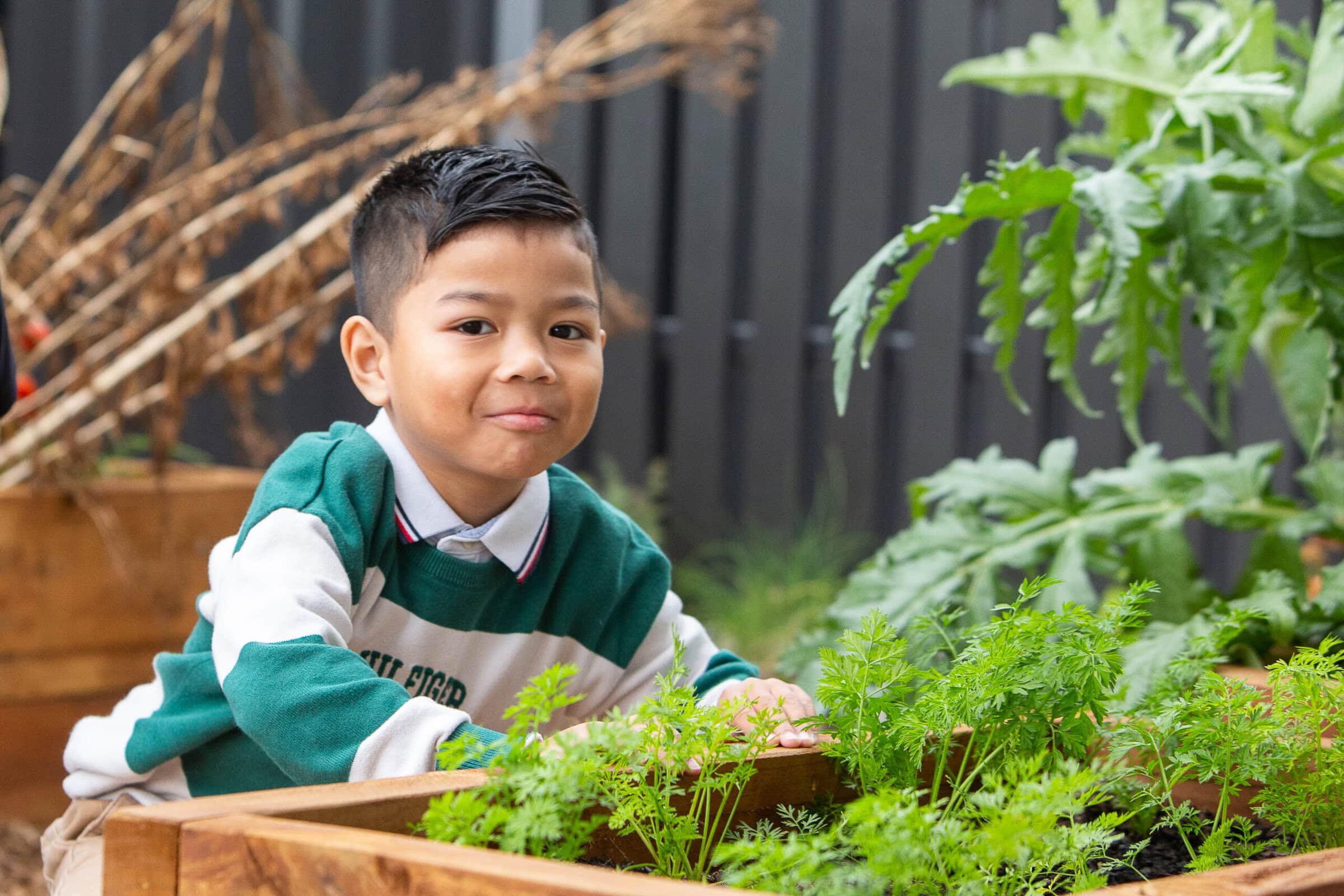
This activity goes beyond the kitchen. Many of our Aspire centres have their own veggie and herb garden where children help grow their own herbs, vegetables or fruits; learning about nature, seasons and sustainability. When it’s time to harvest and cook, there’s a sense of pride and connection. As part of our curriculum, we also educate children about where food comes from, and emphasis that it does originate from the supermarket, but rather from the garden, from the trees and plants, and chickens that lay eggs.
Linking cooking to a favourite book brings learning to life. It enhances understanding, builds vocabulary and sparks creativity. A great example was during Aspire Kennington's Book Week Community Event, where the centre chef made veggie-packed dipping cups inspired by Peter Rabbit and a fruit platter based on the Bluey series. It was a fabulous way to bring some of the children's favourite books to life!


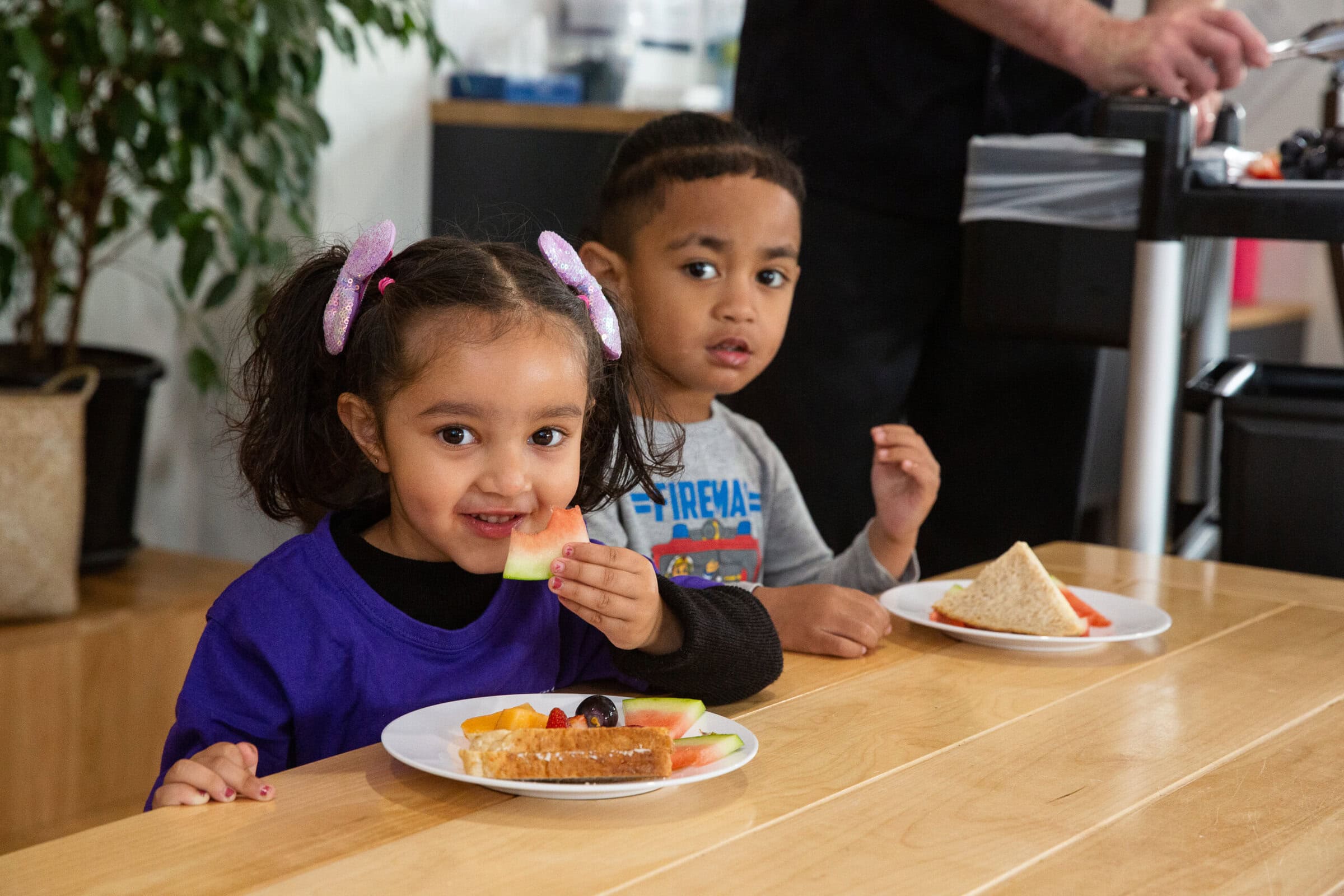
The cooking part is so much fun - mixing, kneading, chopping - but the focus is on trying new flavours. Taste testing helps children explore their senses, compare textures and form preferences. When children actively start making or preparing their own food, they are more likely to try new flavours.
Whether it's festive baking for Lunar New Year or making Anzac biscuits together, themed cooking is a fun way for children to connect with cultural traditions and community celebrations. It's a meaningful and social opportunity to explore diversity and the beautiful stories tied to these (family) traditions. Plus, it sparks creativity and helps expand their taste palates.
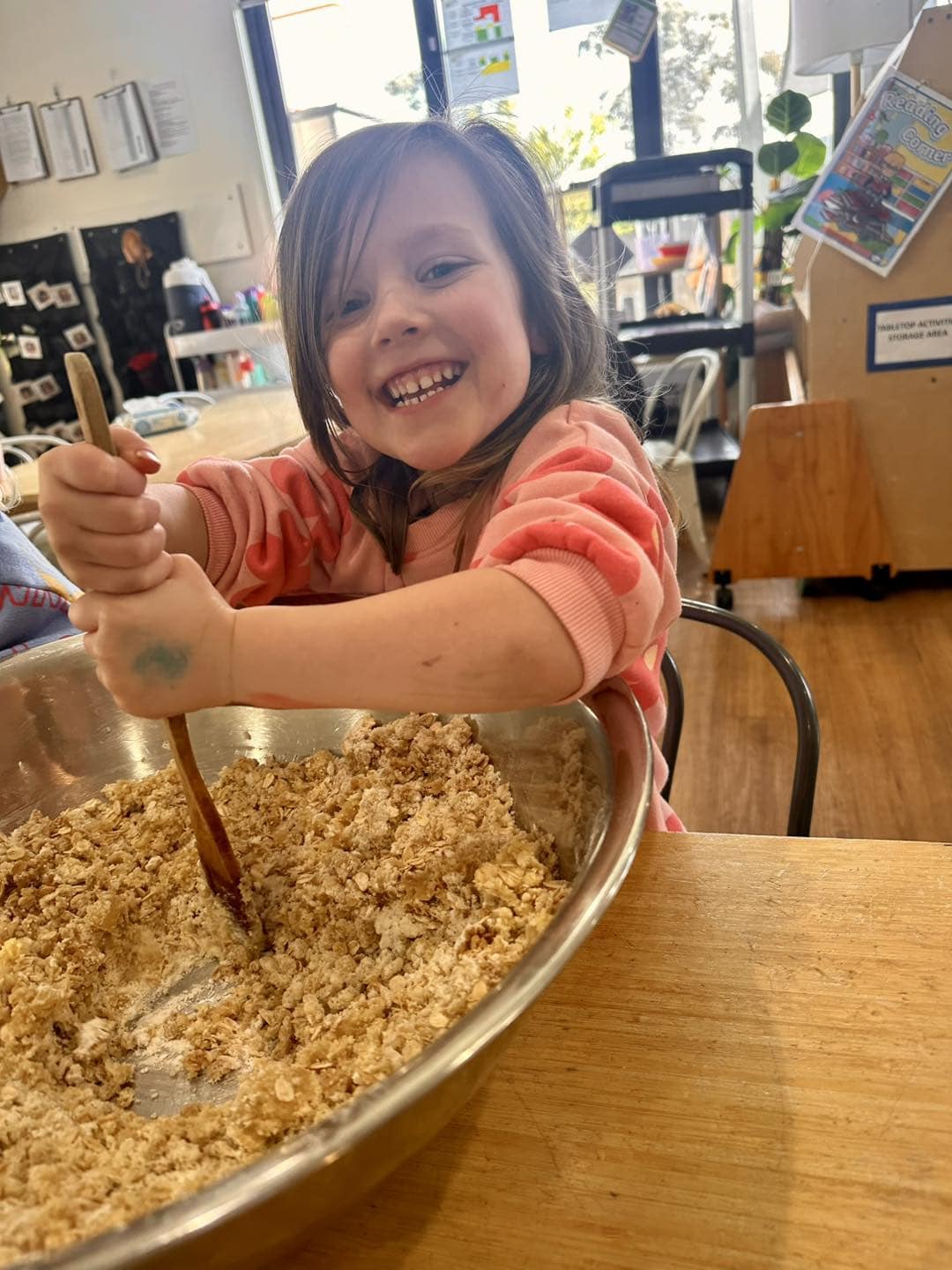
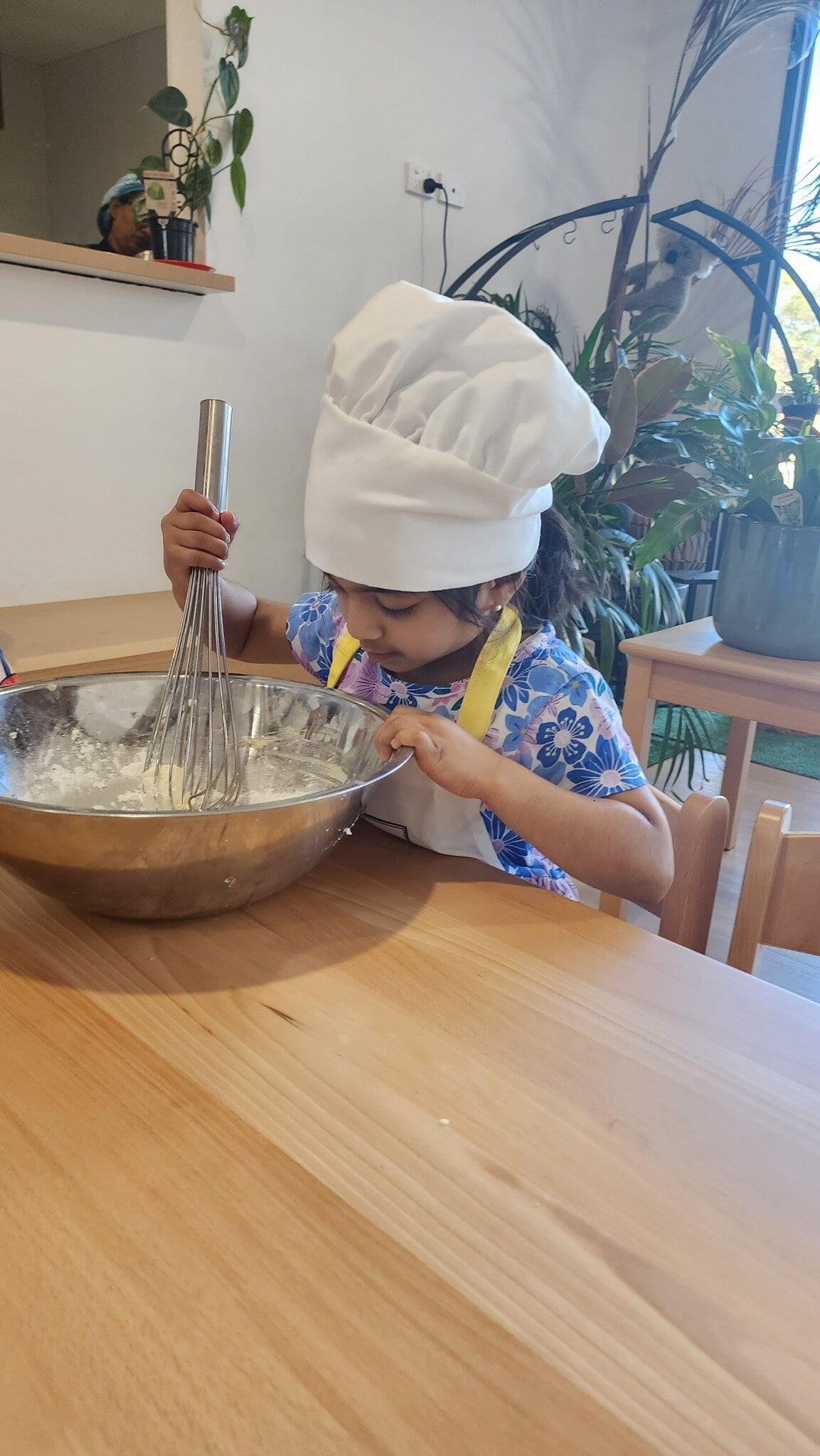
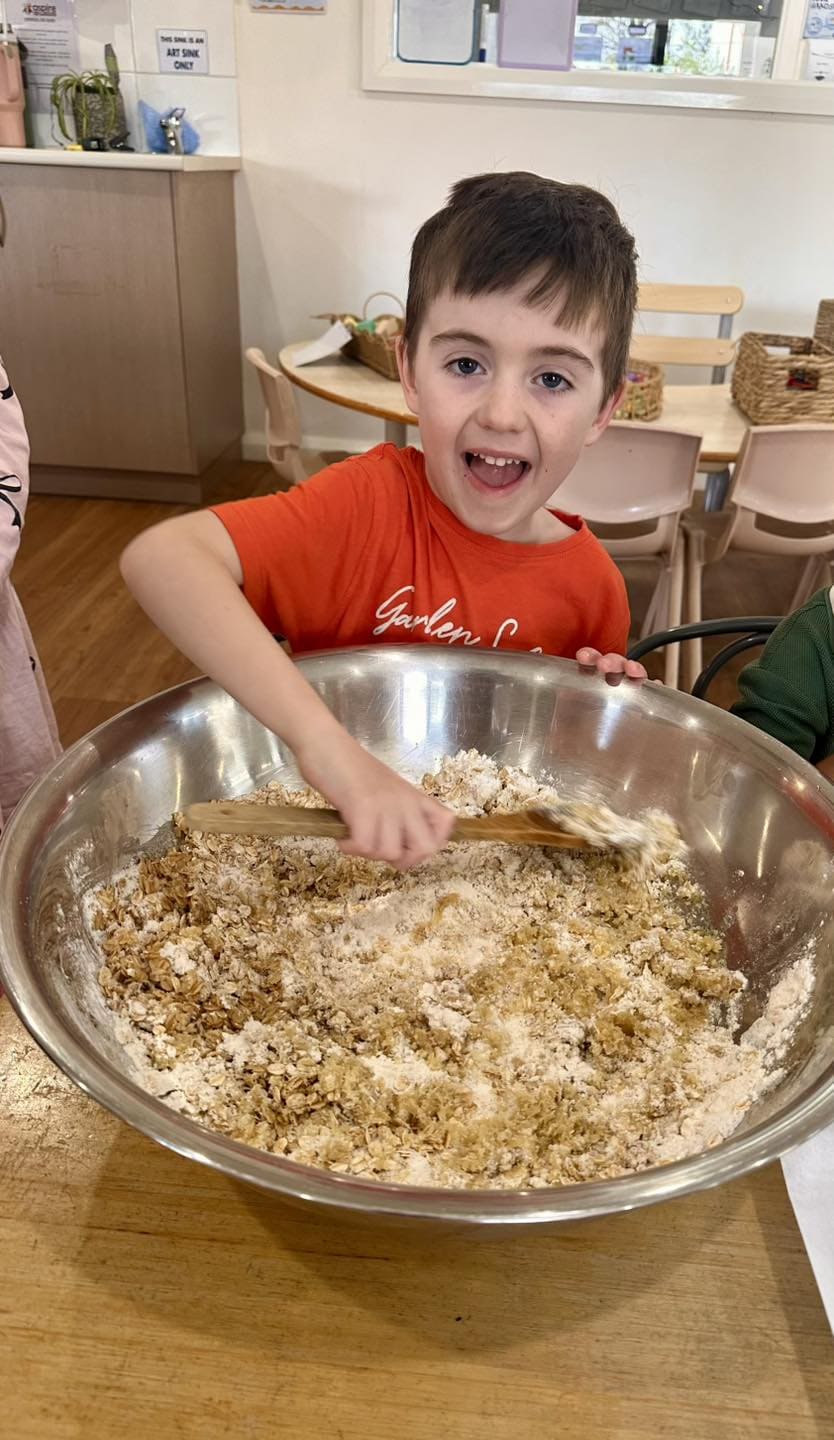
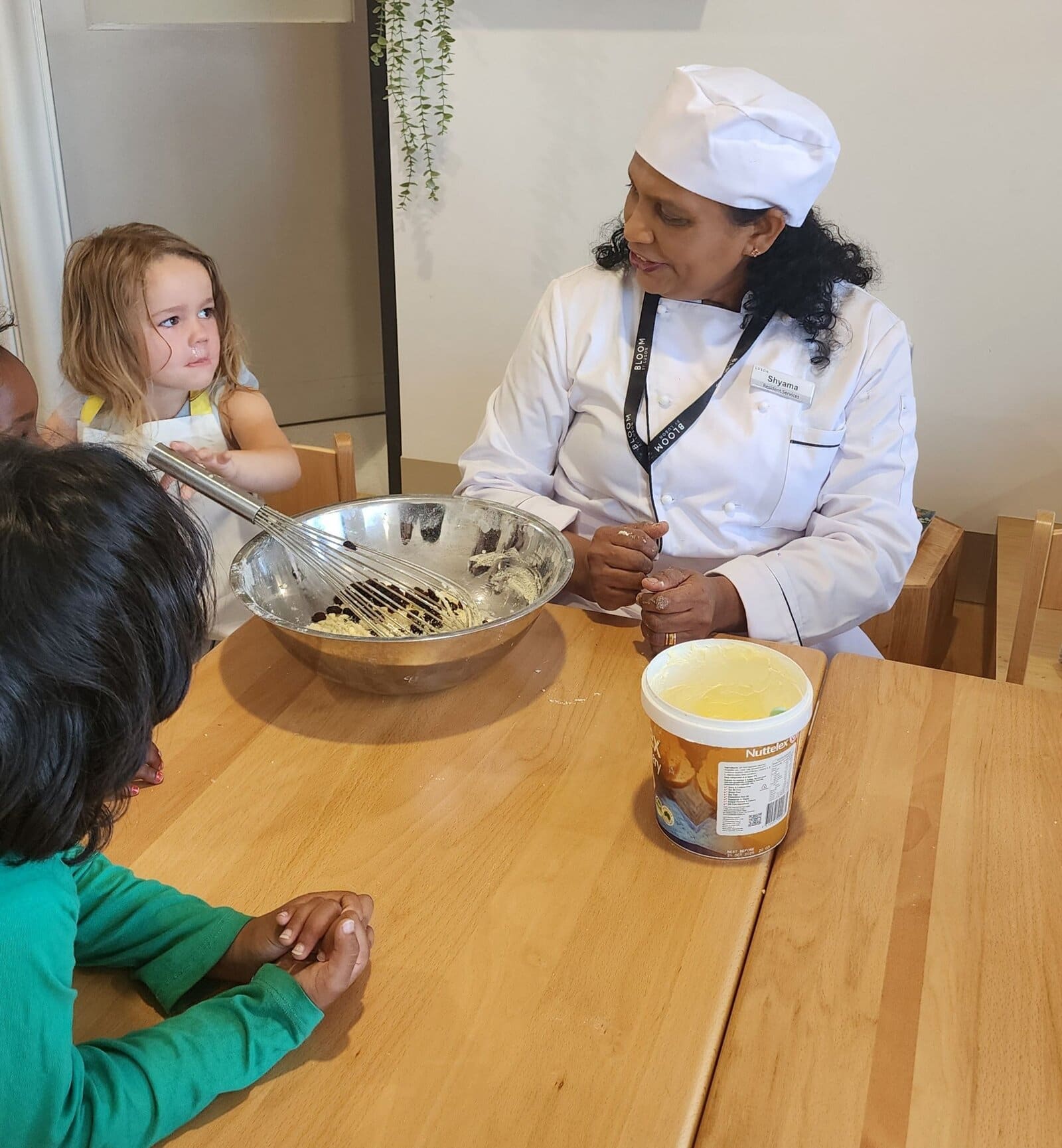
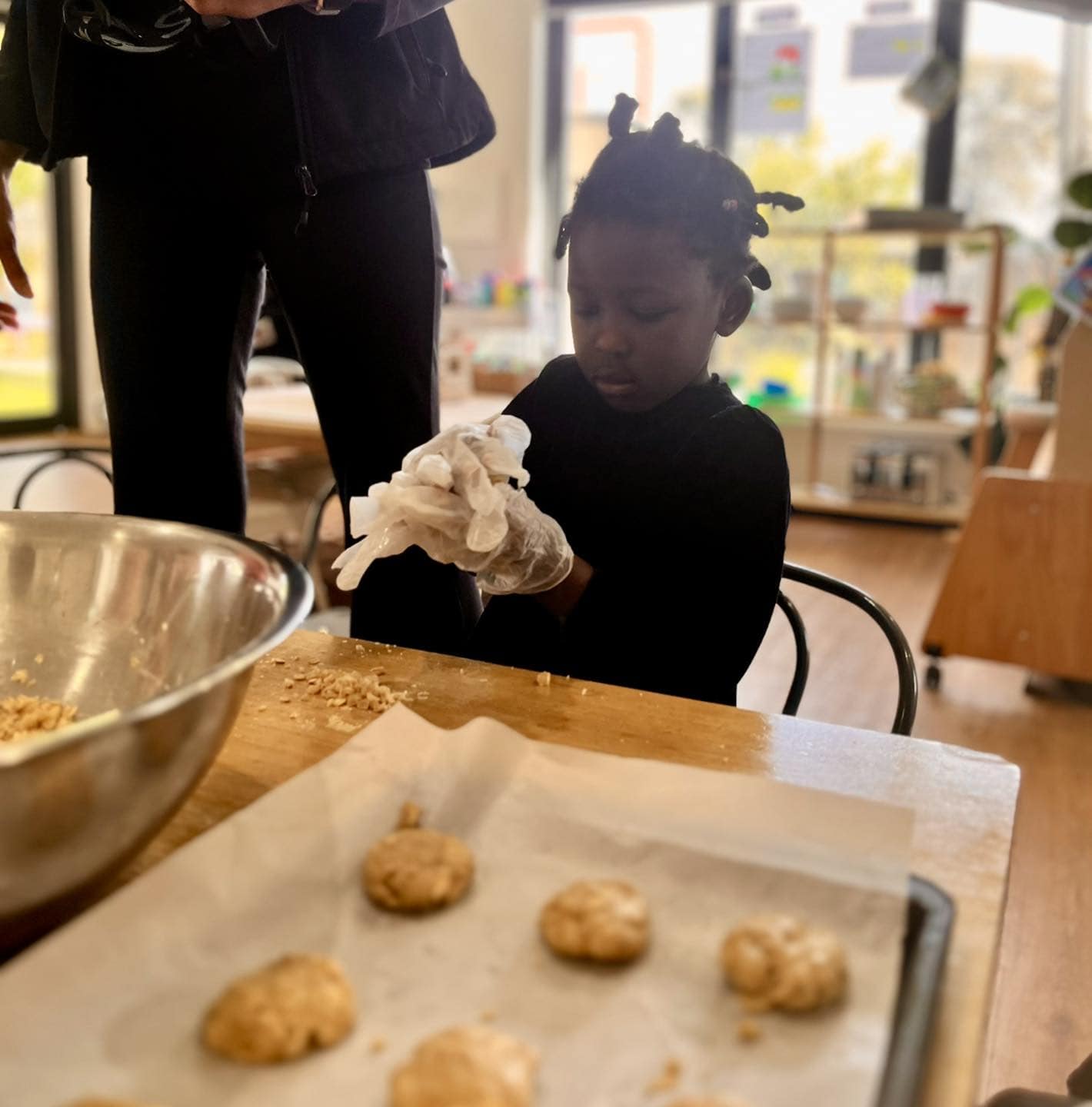
Children who help in the kitchen are doing so much more than just ‘helping out’. Activities like stirring and chopping are fantastic for developing their physical skills. The best part is that you can adjust the cooking tasks to suit their age and capabilities.
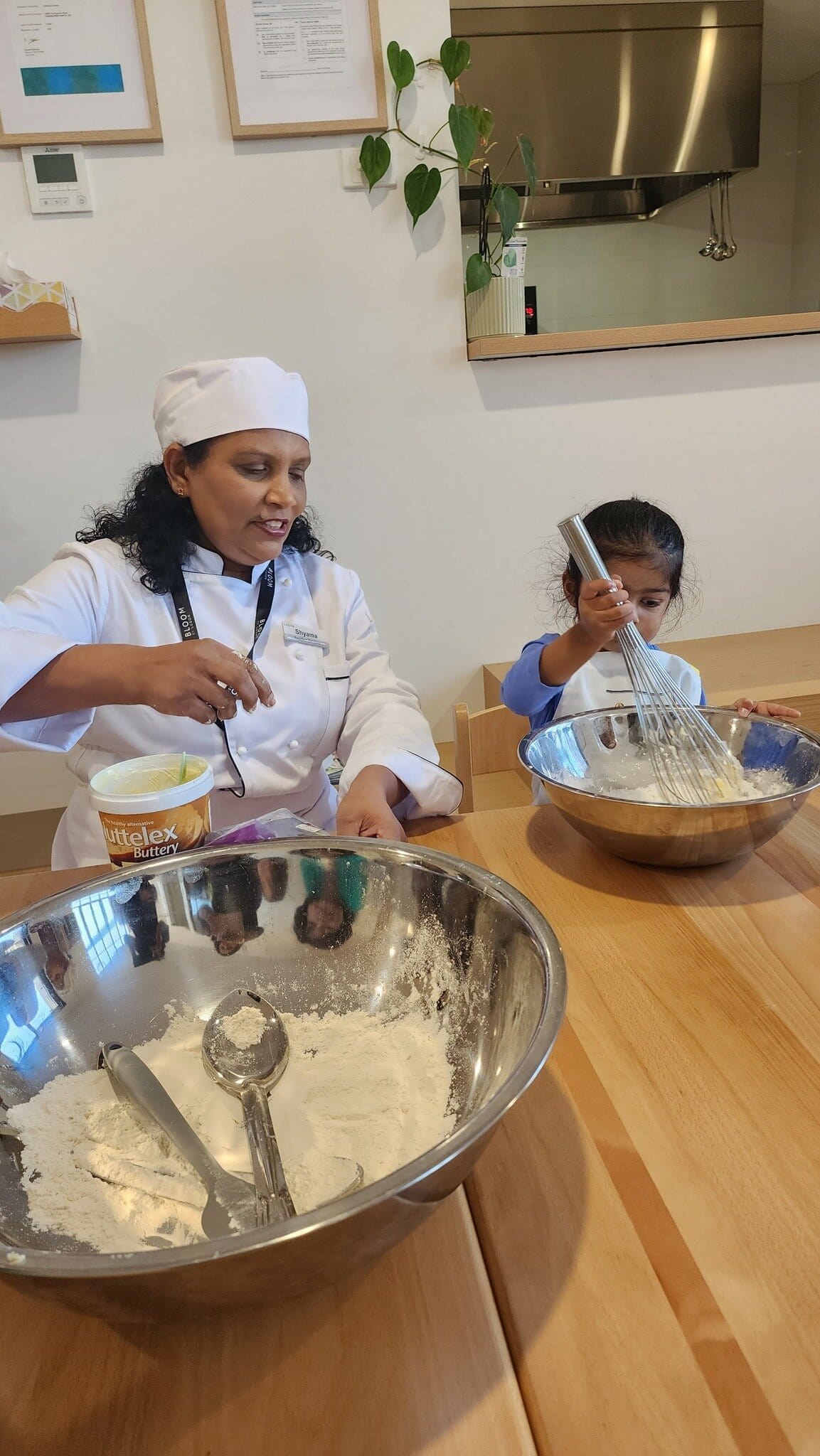
Stirring the flour in a big bowl, reaching for ingredients or carrying trays helps develop core strength and coordination. Activities that get little arms and legs moving help with physical confidence.
From peeling bananas to pinching dough, cooking gives those tiny fingers plenty of practice. It helps your child build strength and control their hand muscles, which is essential for writing, tying shoelaces, buttoning clothes and everyday independence.
In the context of cooking, tasks like cracking eggs, pouring liquids, or scooping ingredients require children to visually track an object, such as a spoon with sugar, and move their hands in precise ways to interact with it. This is a crucial skill for helping children improve their focus and ability to perform actions that require both vision and physical coordination. This will help children in tasks like drawing, typing, sports or getting themselves dressed.
When sharing small spaces like kitchens and dining tables, children also learn about personal space, boundaries, and how to move their bodies and hands safely in a busy environment with objects and other people around them.
Sensory development is essential for children, and there's a reason why childcare centres often have special sensory play areas. Engaging with different textures, colours, sounds and smells helps children make connections, like associating textures with objects or smells with ingredients. This kind of sensory exploration is key for fostering critical thinking and creativity!
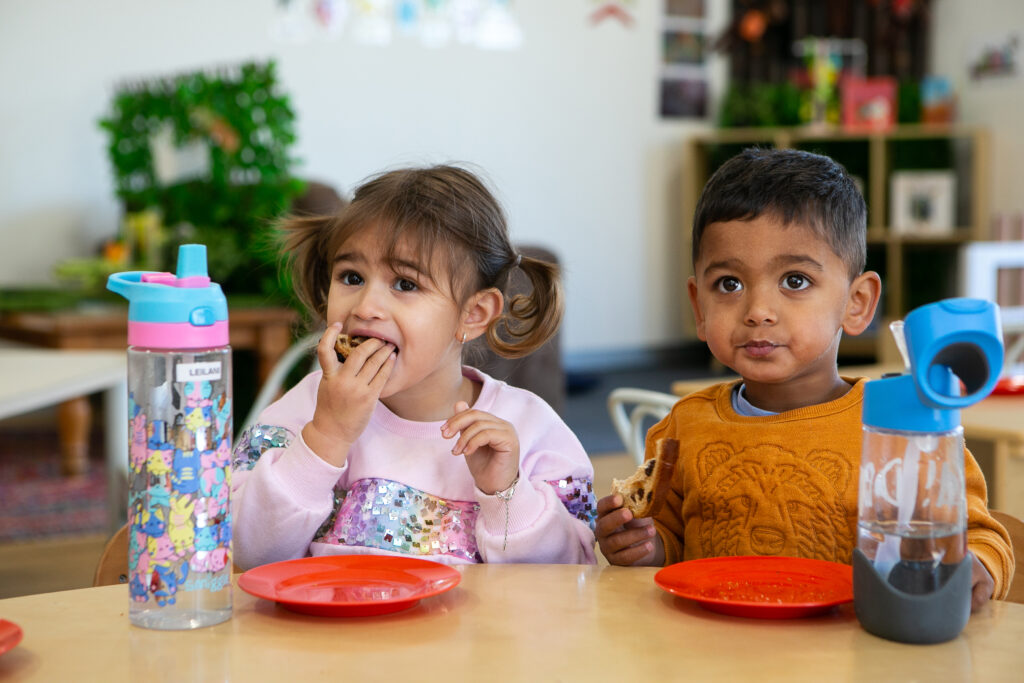
But there’s more! Cooking introduces rich learning opportunities across language, vocabulary, maths, science, concentration and social skills.
Reading and following a recipe, naming ingredients, or talking about textures or taste all help build language skills. Children learn new words, practice listening, and develop their ability to express themselves clearly.
Cooking is like a maths lesson, because you’re measuring, counting and comparing without even realising it. Want to make the perfect muffin? Your child needs to work with different volumes and make sure the timing in the oven is right.
Following a recipe is key to getting that tasty outcome. It’s important to stay focused and follow each step carefully. Cooking helps children to stay engaged and teaches them to finish what they started.
‘I made this myself!’ is something powerful for children to say. Cooking gives children a sense of independence, and it boosts their confidence.
Choosing toppings, decorating cupcakes with sprinkles, making their own recipes, or finding alternative ingredients when something's missing from the cupboard helps with their imagination, problem solving ability and encourages creative thinking.
Healthy habits start early, and cooking plays a big role in building a positive relationship with food.
Cooking is a chance to talk about healthy choices. What do our bodies need, what foods give us energy, and why balance and variety is important. Children learn to make informed choices from a young age.
Involving children in food prepping makes them more likely to try what they’ve made. It helps reduce fussy eating and encourages them to enjoy a wide range of tastes and textures.
From washing hands to cleaning up, cooking introduces children to safe and hygienic practices in the kitchen. Learning about good hygiene is important to implement from an early age.
At Aspire, we see cooking as an all-around learning experience, and it’s something we incorporate across all age groups. Our programs are tailored to the developmental stages of each child, so that we can nurture a healthy relationship with food from a young age.
All our centres have an in-house chef who undertakes continuous training to stay updated with the latest nutritional guidelines set by Nutrition Australia. They run regular hands-on cooking sessions with the children where they prepare their own snacks, lunches, or treats. From baking cookies and learning about hygiene routines, each activity is designed to enhance their development while having fun.
Cooking also supports our focus on sustainability, cultural awareness and community connection. Whether it’s growing herbs in our gardens or celebrating cultural days through food, cooking is a meaningful part of everyday life at Aspire.
Learn more about our food and nutrition at Aspire.
Cooking with children is so much more than having a great time making something delicious - it’s one of the most valuable life lessons for learning and growth. The benefits of cooking in early childhood are endless. From developing motor skills and boosting confidence, to learning about nutrition and culture, cooking brings it all together!
So next time your child wants to stir the pot, let them! Or if they won’t, invite your child to join. You’re not just making muffins; you’re building life skills.
If you liked this article, we also have a range of other resources that provide education and tips for parents. Check out some of them below: