








The Benefits of Gardening in Early Childhood
Posted September 22nd 2025
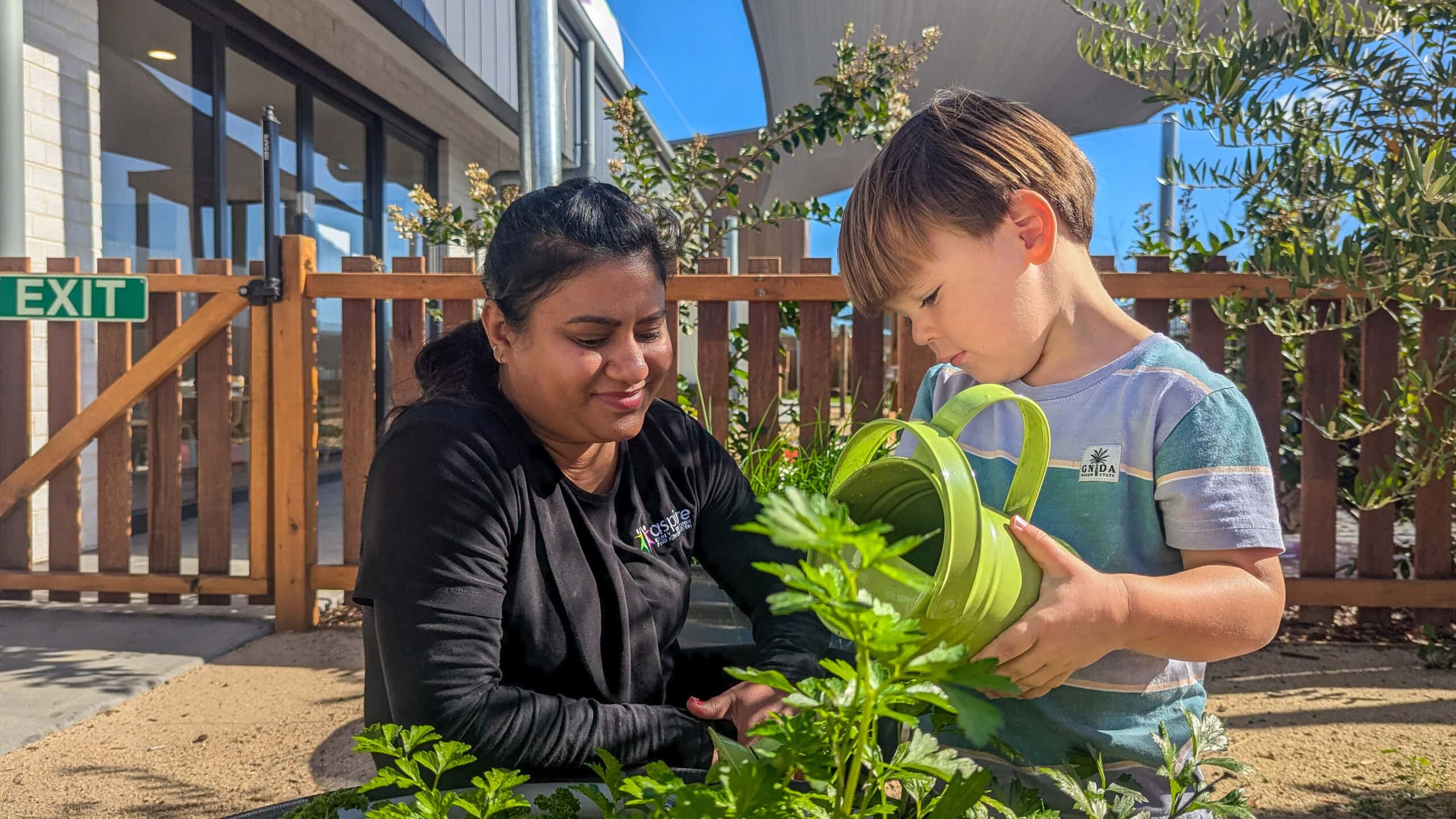
Gardening is more than just digging in the dirt. For young children, it’s a fun, hands-on way to explore the world around them. It helps them connect with nature while learning important life skills. Gardening encourages curiosity, responsibility and creativity. Children feel proud and confident when they see seeds grow into plants. It also gives them a reason to spend time outdoors and start building healthy habits that can last a lifetime.
Gardening in early childhood is any activity where children interact with plants and nature. This can include planting seeds, watering, weeding and harvesting. Children observe how plants grow, explore textures, smells and colours and learn about the natural world. It is a simple way to make learning fun and interactive.
Even simple activities like filling a pot with soil or watching worms in the garden provide learning opportunities. Children develop an understanding of cause and effect. They learn that water and sunlight help plants grow, while neglect may slow growth. Gardening in early childhood combines play with learning in a safe and engaging way.
Children can start gardening as soon as they can safely handle small tools and follow simple instructions. Even toddlers enjoy planting seeds in small pots or helping water plants. Preschoolers can take on slightly bigger tasks, like planting vegetables or caring for a garden bed.
It is important to match activities to your child’s abilities. Toddlers might enjoy sensory exploration with soil or leaves. Older children can measure soil, plant seeds in rows and observe growth over time. Gardening can be adapted to suit every age and skill level.
Gardening stimulates all the senses. Children touch soil, smell flowers and see the colours and shapes of plants. They hear birds and insects in the garden and may even taste the vegetables or herbs they grow.
Spatial awareness grows as children navigate around plants, pots and garden beds. They learn to understand distances, sizes and arrangements. Sensory experiences in the garden help children connect with the world in a meaningful way.
Digging, scooping and pouring water improve fine motor skills. Carrying pots or pushing wheelbarrows helps build strength and coordination. Children practice hand-eye coordination when planting seeds in small holes.
Gardening also supports large motor skills. Lifting small bags of soil, bending to pull weeds, or walking along garden paths strengthens balance and stability. Gardening activities can be gentle exercise disguised as play.
Gardening introduces children to science, technology, engineering and maths in a hands-on way. They learn how plants grow, what they need to survive and how weather affects growth.
Children can measure soil, count seeds and track growth over time. They make observations, predict outcomes and problem solve. Gardening also introduces environmental learning, teaching children to care for plants, insects and the earth.
Caring for plants shows children the importance of responsibility. Watering, weeding and checking for growth teaches patience and commitment.
Children quickly understand that plants depend on them. They learn that neglect can affect growth, while care can lead to success. Gardening nurtures empathy and teaches children to take responsibility for living things.
Growing fruits, vegetables and herbs helps children understand where food comes from. They are more likely to try new foods when they have grown it themselves.
Children enjoy tasting herbs they picked, cherry tomatoes from the vine or strawberries from the garden. Gardening encourages curiosity about different flavours and textures. It also helps build long-term healthy eating habits.
Gardening supports brain and body development. Planning a garden encourages thinking and decision making. Children learn to sequence tasks, solve problems and observe results.
Physical activity in the garden strengthens muscles, improves coordination and enhances balance. Digging, lifting and bending engage the whole body. Gardening combines learning with movement in a natural way.
Children experiment with colours, shapes and garden layouts. They explore creative ways to arrange plants or design flower beds.
Gardening also teaches problem solving. If a plant doesn’t grow or pests appear, children learn to find solutions. They develop flexible thinking and resilience while using their imagination to create and adapt.
Spending time in nature helps children manage emotions. Gardening is calming and encourages focus. Children learn patience as they wait for seeds to sprout or flowers to bloom.
Gardening also teaches mindfulness. Children slow down, observe carefully and enjoy the moment. Being outdoors supports emotional wellbeing and can reduce stress or frustration.
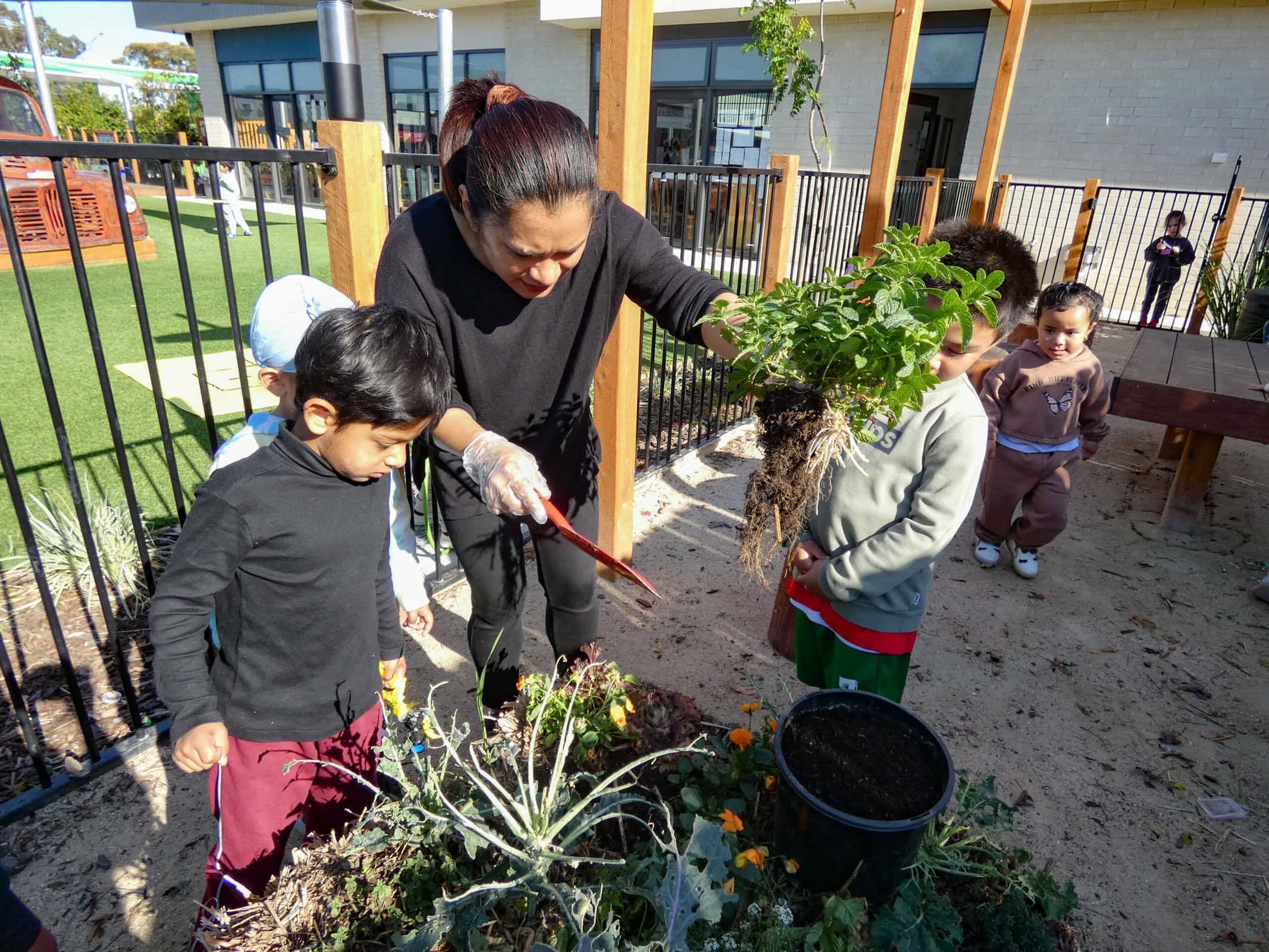
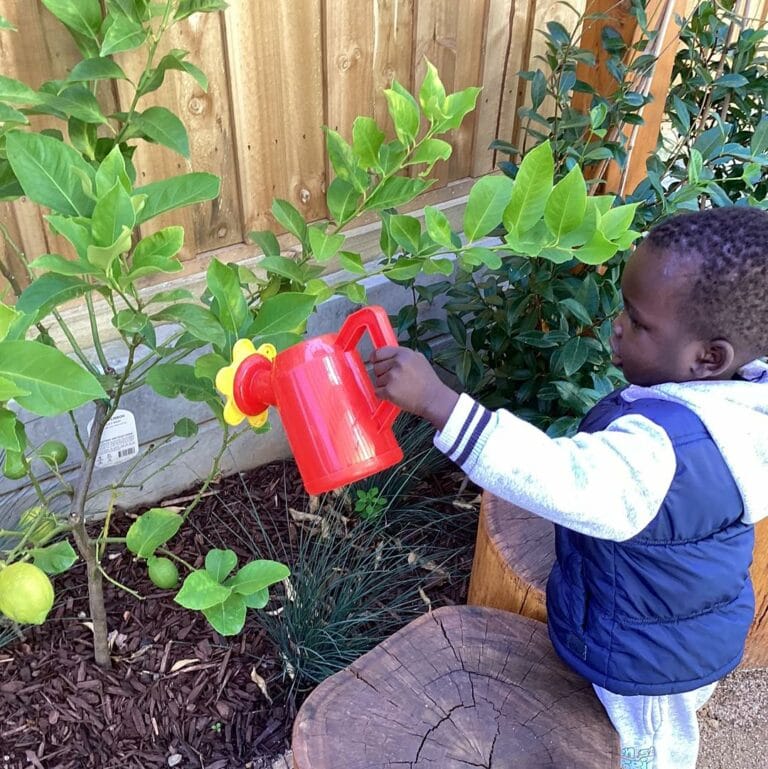
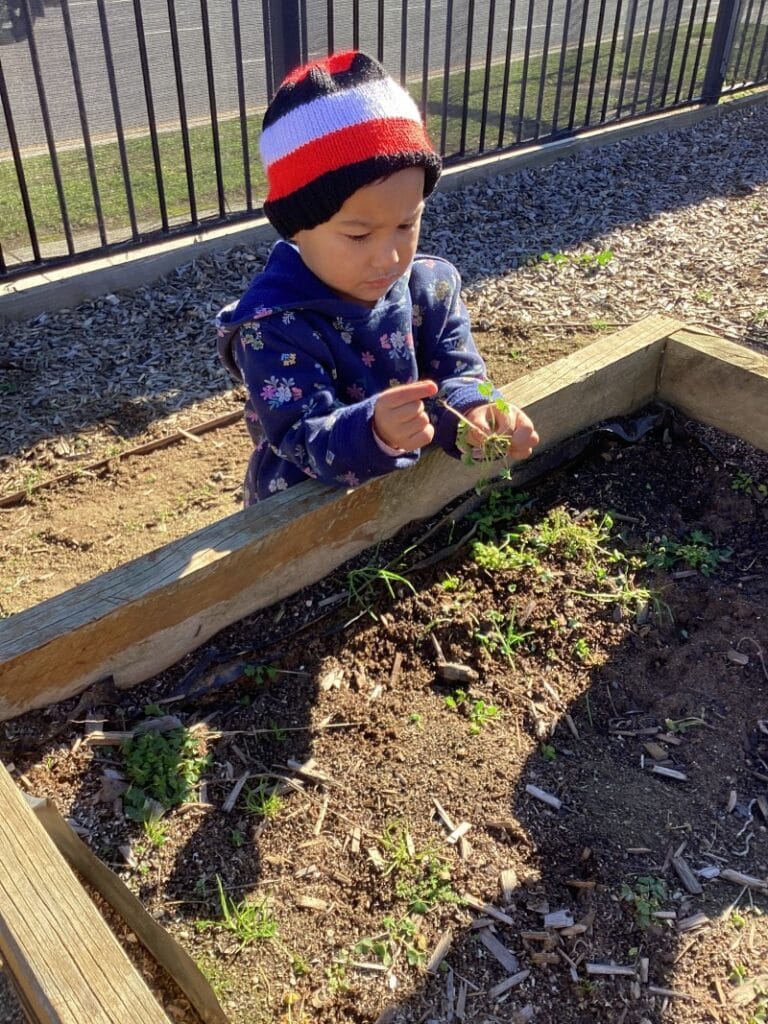
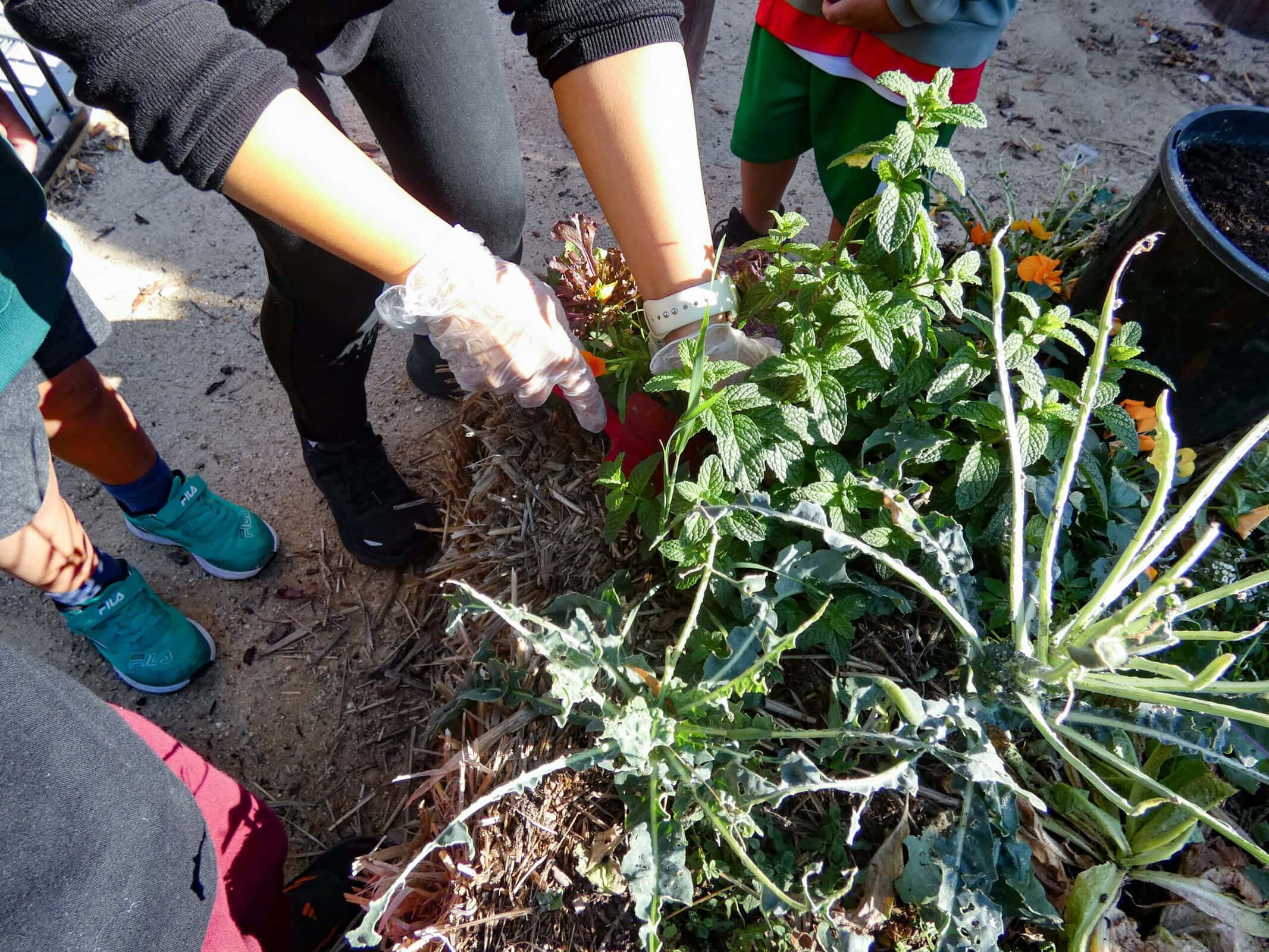
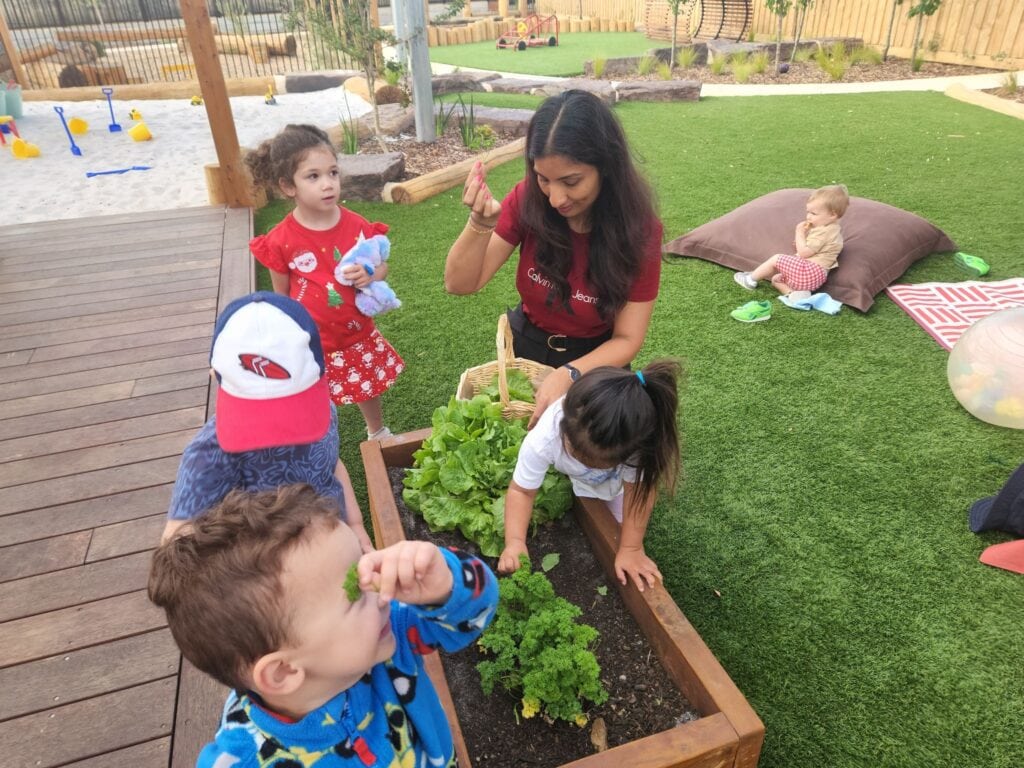
Begin with small spaces. Pots and raised garden beds are manageable and safe. Children can focus on a few plants at a time and feel proud of their progress. Small spaces also make it easier to supervise activities.
Create simple daily tasks. Planting seeds, watering plants and harvesting produce can become part of a routine. Regular care teaches consistency, responsibility and planning.
Ask children what they want to grow. If they love flowers, let them plant colourful blooms. If they like cooking, herbs and vegetables work well. Following their interests keeps children engaged and motivated.
Quick-growing plants show results fast. Radishes, sunflowers and beans sprout quickly and keep children motivated. Short-term success encourages ongoing participation.
Encourage children to touch, smell and explore plants. Soil, leaves, petals and herbs provide rich sensory experiences. Sensory play in the garden helps children learn about textures, scents and the natural world.
Gardening is a natural way to practise math. Counting seeds, measuring soil and spacing plants teach numbers, measurement and problem solving. Children can also track growth with charts or simple journals.
Safety is important. Keep sharp tools out of reach and provide sun hats and sunscreen. Supervise activities and make the space safe for exploration. Check for hazards like slippery paths or toxic plants.
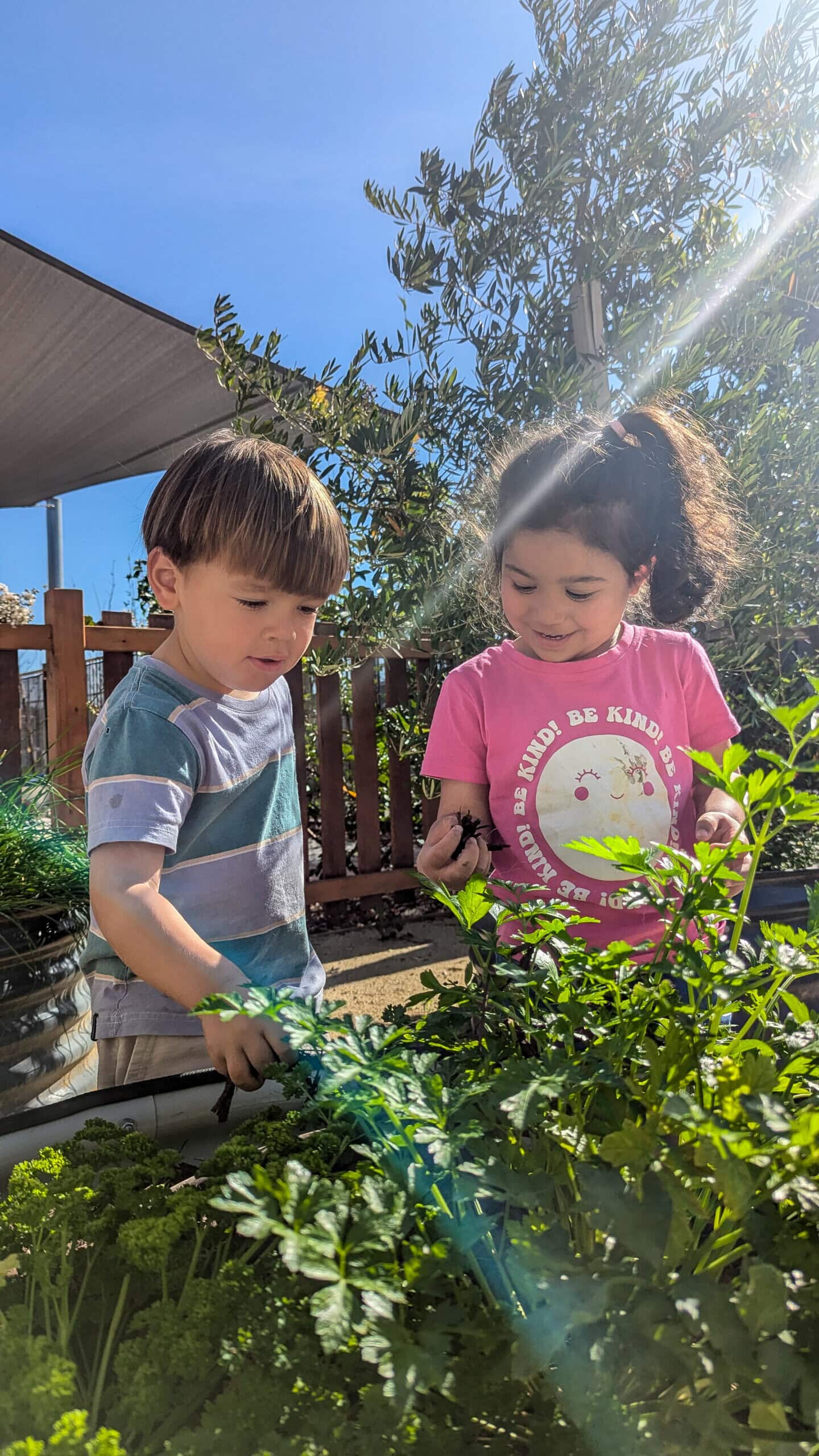
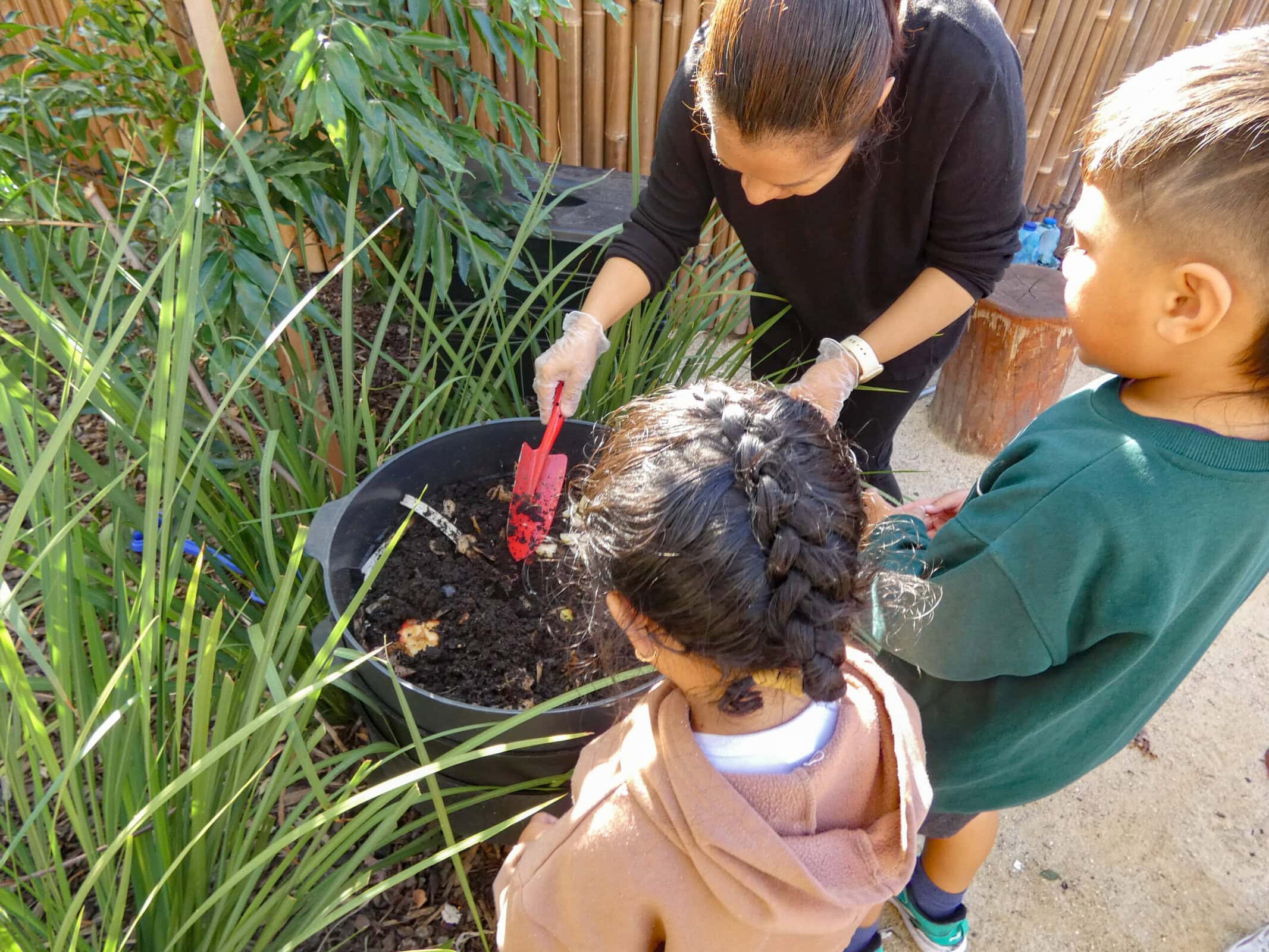
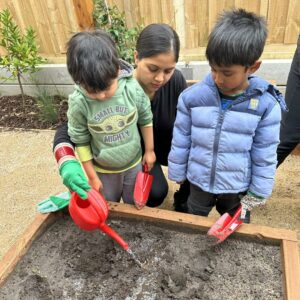
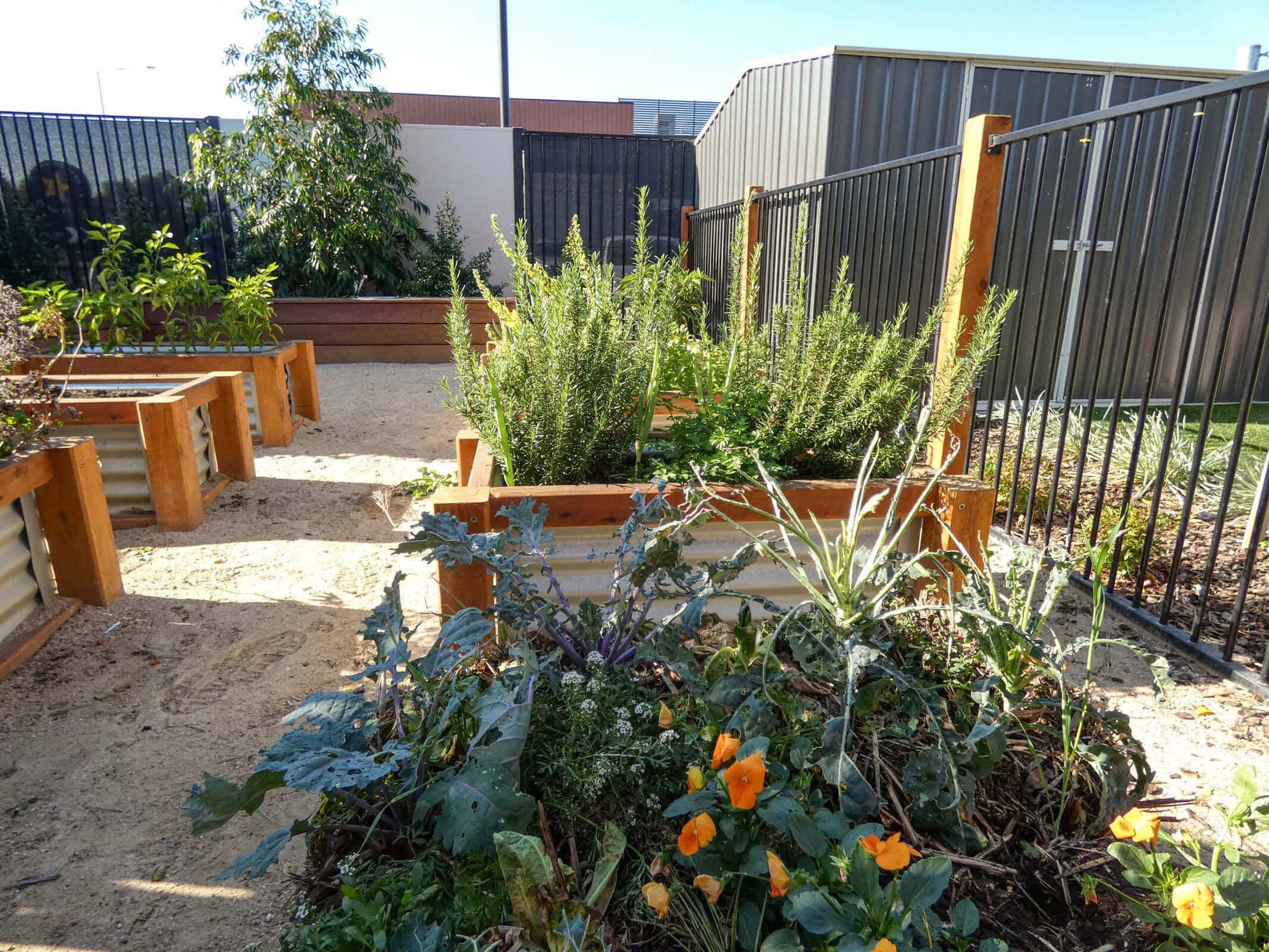
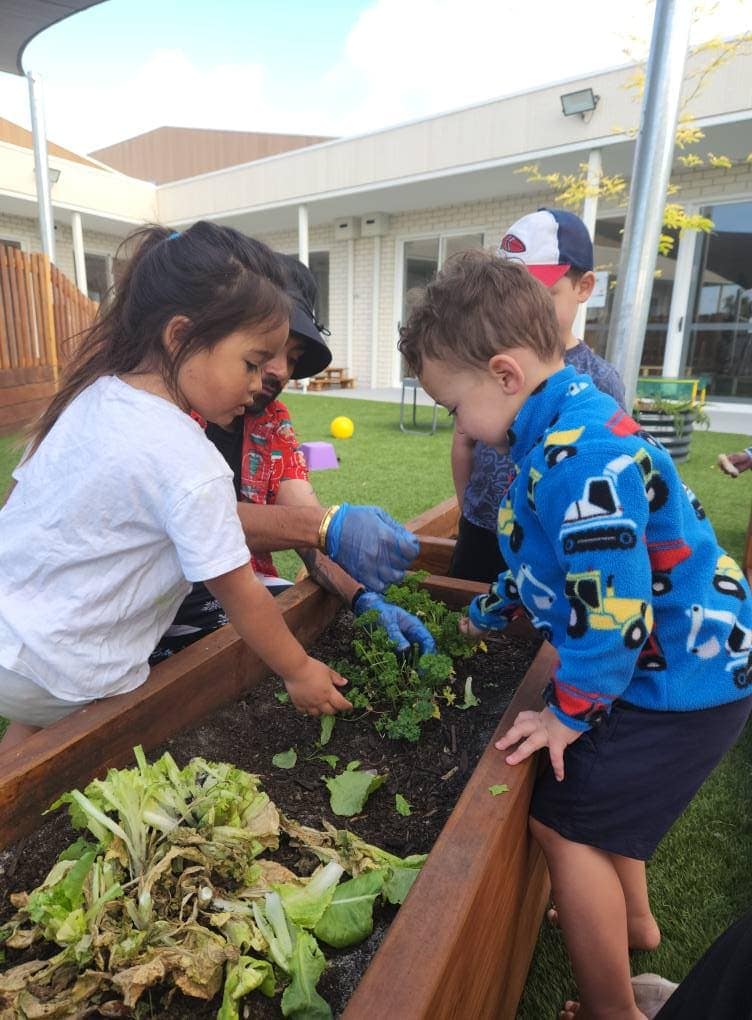
At Aspire, gardening is an important part of our curriculum. Most of our centres have a vegetable or herb garden where children help out with our educators and inhouse chef. It’s a simple way for children to learn where food comes from and see how it ends up on their plate.
Children plant seeds, water the garden and watch vegetables grow or even create. They enjoy seeing the results of their efforts and learning how fresh produce is used in meals. Even small tasks like these teach responsibility, teamwork and basic science.
Gardening also fits naturally with other activities. It helps children explore their senses, notice changes in nature and work together. It’s a small but meaningful way to support curiosity, confidence and healthy habits.
For families, this means that at Aspire, children are not just cared for, they are learning life skills in a safe, nurturing and fun environment. Gardening is just one of the ways we bring learning to life and connect children with nature.

Since opening, Aspire Tarneit Square has cared for a thriving sustainability garden, including its very own worm farm! Families love taking bottles of worm juice home to give their own gardens a boost. It’s so popular that it often runs out before more can be made.
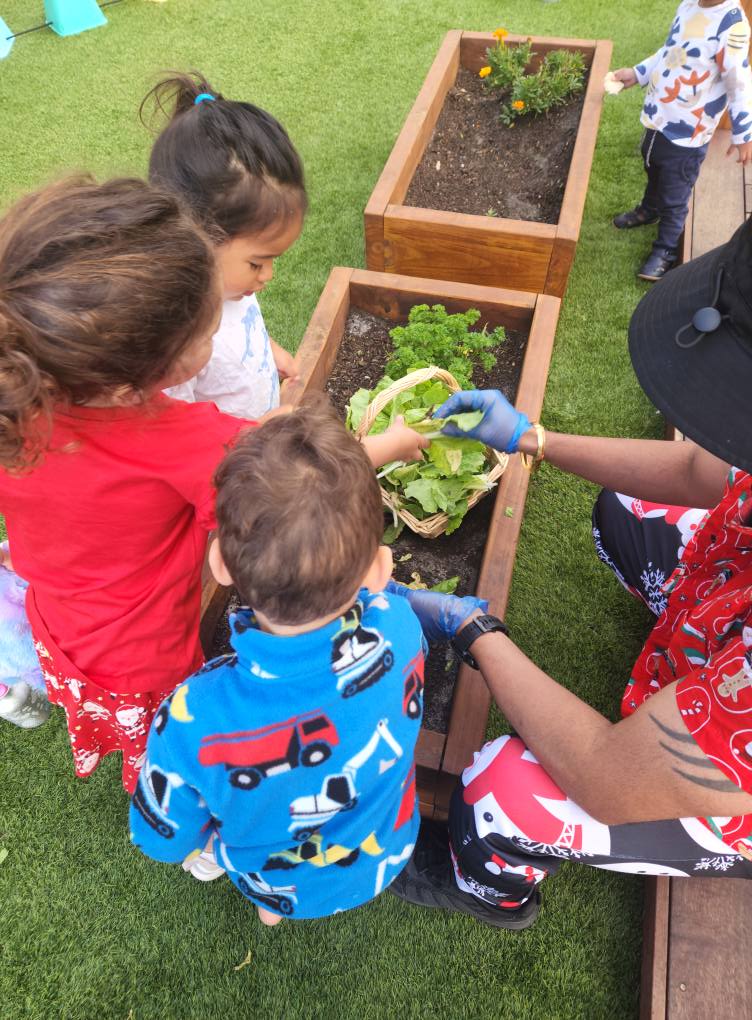
There is nothing quite like spending time in nature gardening. At Aspire Deanside Village’s gardening program, children are encouraged to learn about where food comes from, how plants grow, and develop essential skills. But why should we encourage children to spend time gardening? Read on to find out.
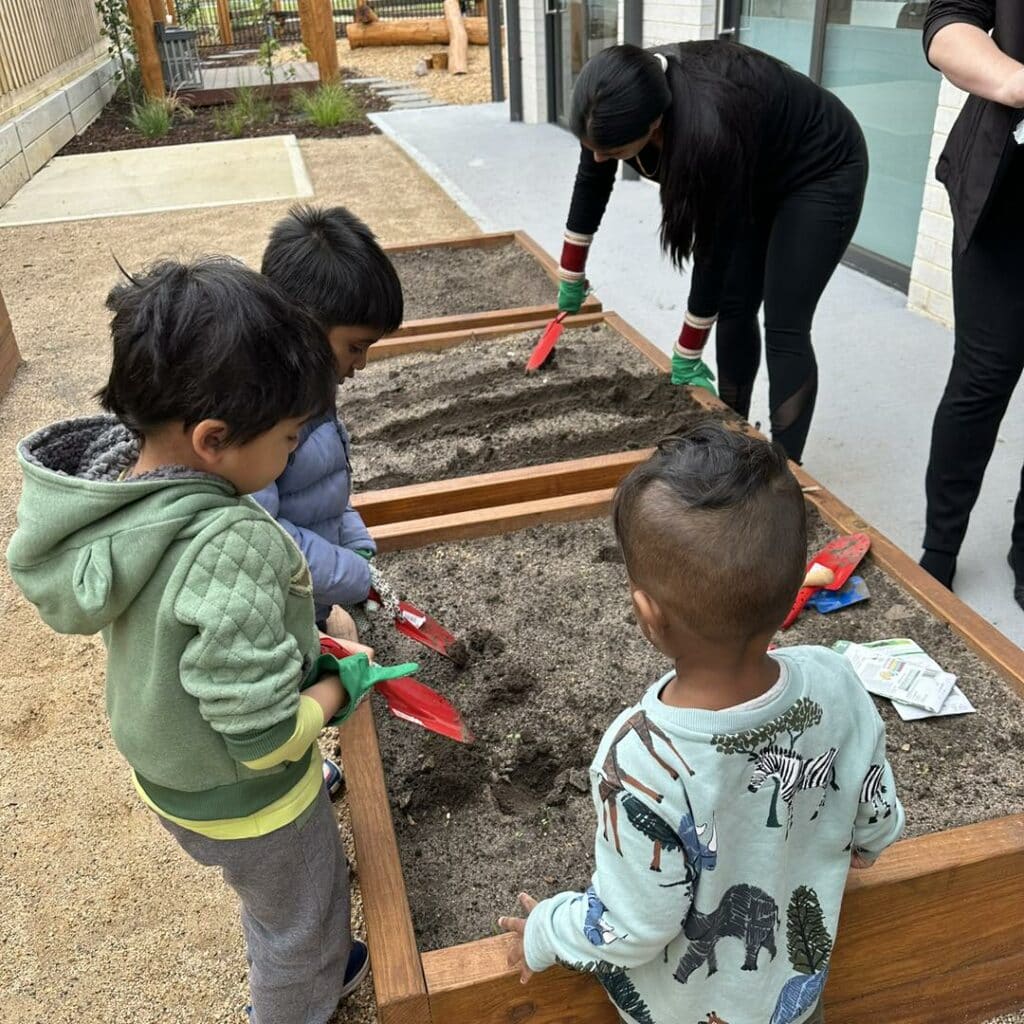
The kinder rooms of Aspire Ramlegh kick started the centres fruit and vegetable garden by planting snow peas alongside our centre chef and sustainability officer. The children are watering, nurturing and looking after the fruit and vegetable garden which provides them with a sense of responsibility.
Sunflowers, strawberries, beans, tomatoes, zucchinis and herbs are great starters. Fast-growing plants show children results quickly and keep them motivated.
No. Pots, window boxes and raised beds work well even in small spaces. Children can enjoy gardening in balconies or indoors with small containers.
Yes. Small spades, watering cans, brooms, rakes and gloves are made for little hands. Tools designed for children are safe and help build confidence. You can even find a whole range of kids’ garden tools at Bunnings.
Use it as a learning experience. Plants may fail, but children learn resilience and problem solving. Encourage reflection on what went wrong and how to improve next time.
Spring and early summer are ideal, but some plants grow well in autumn too. Choose plants that match the season for best results.
That’s okay! Not all children will be drawn to gardening, and interests can vary from day to day. Try letting them choose a plant or a small project. Short, hands-on activities can spark curiosity, and even a little involvement can be a fun learning experience.
If you liked this article, we also have a range of other resources that provide education and tips for parents. Check out some of them below: