








Self-Regulation Strategies for Children: Building Emotional Resilience
Posted August 22nd 2025
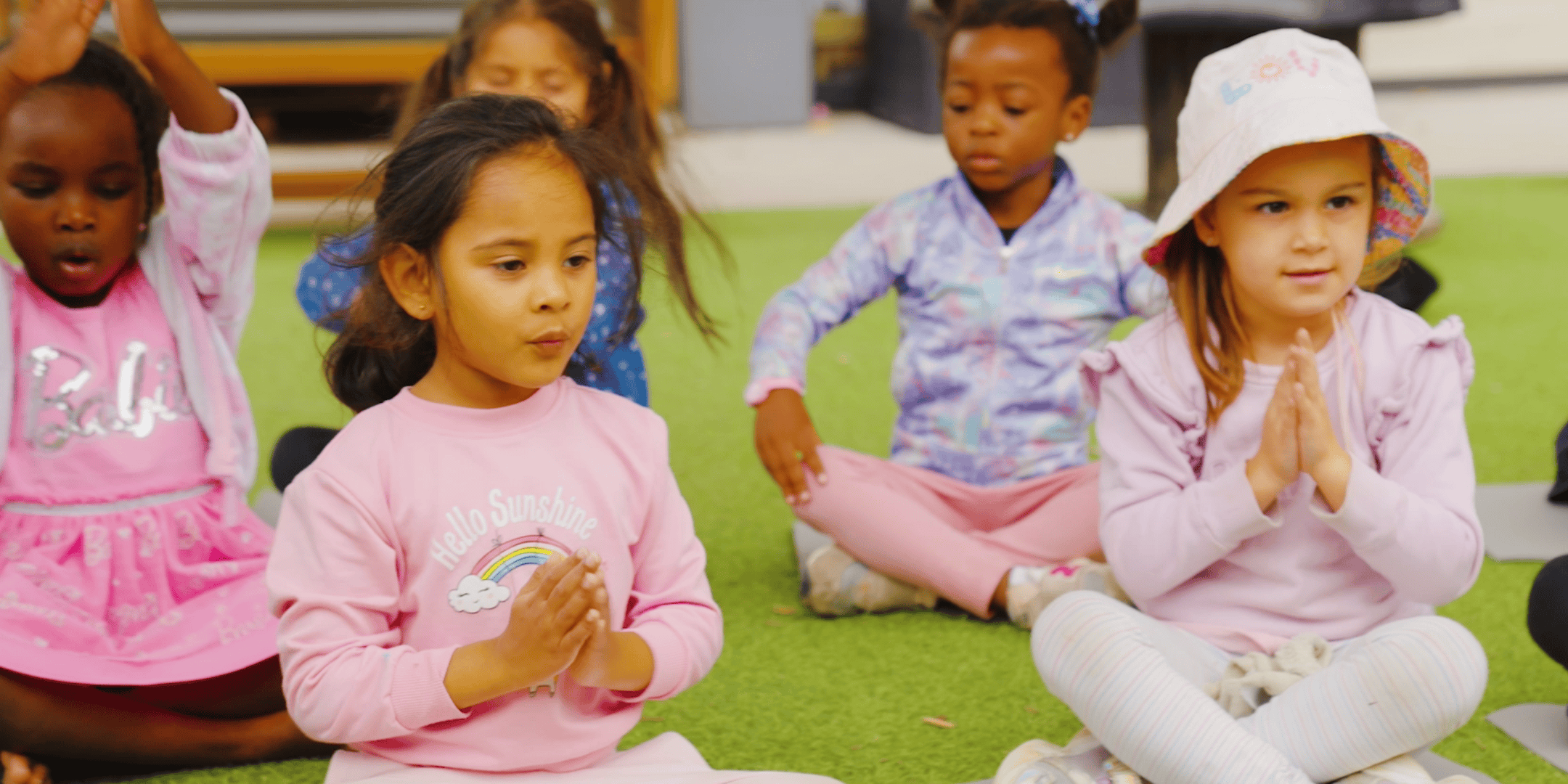
Parenting can be joyful, busy, messy and challenging, all at the same time! One of the most important skills we can help our children develop is self-regulation.
Self-regulation is all about helping children manage their emotions, thoughts, behaviours and reactions to everyday situations. It’s what allows them to pause when they’re upset, focus when they need to and bounce back from disappointment.
When children learn self-regulation, they develop confidence, resilience and emotional awareness. These are skills that stay with them for life. In this blog, we share what self-regulation is, why it matters, how it grows at different ages and we’ll give you some practical strategies you can try at home,
Self-regulation is your child’s ability to control emotions, thoughts, behaviour and attention in response to what’s happening around them. It’s not about telling them to “stop crying” or “behave.” It’s about helping them notice how they’re feeling, manage impulses and respond in ways that make sense for the situation.
Think of it like a toolbox. Give your child the tools – the strategies - like pausing, breathing, or asking for help, which they can pull out when they need them most
Developing self-regulation helps children:
When we help children develop these skills, we’re giving them the tools to thrive emotionally, socially and academically. Learning to self‑regulate is such an important life skill, and it lays the foundation for their overall wellbeing now and in the years to come.
Self-regulation doesn’t happen overnight. It develops gradually, so knowing what to expect at each stage can be really helpful.
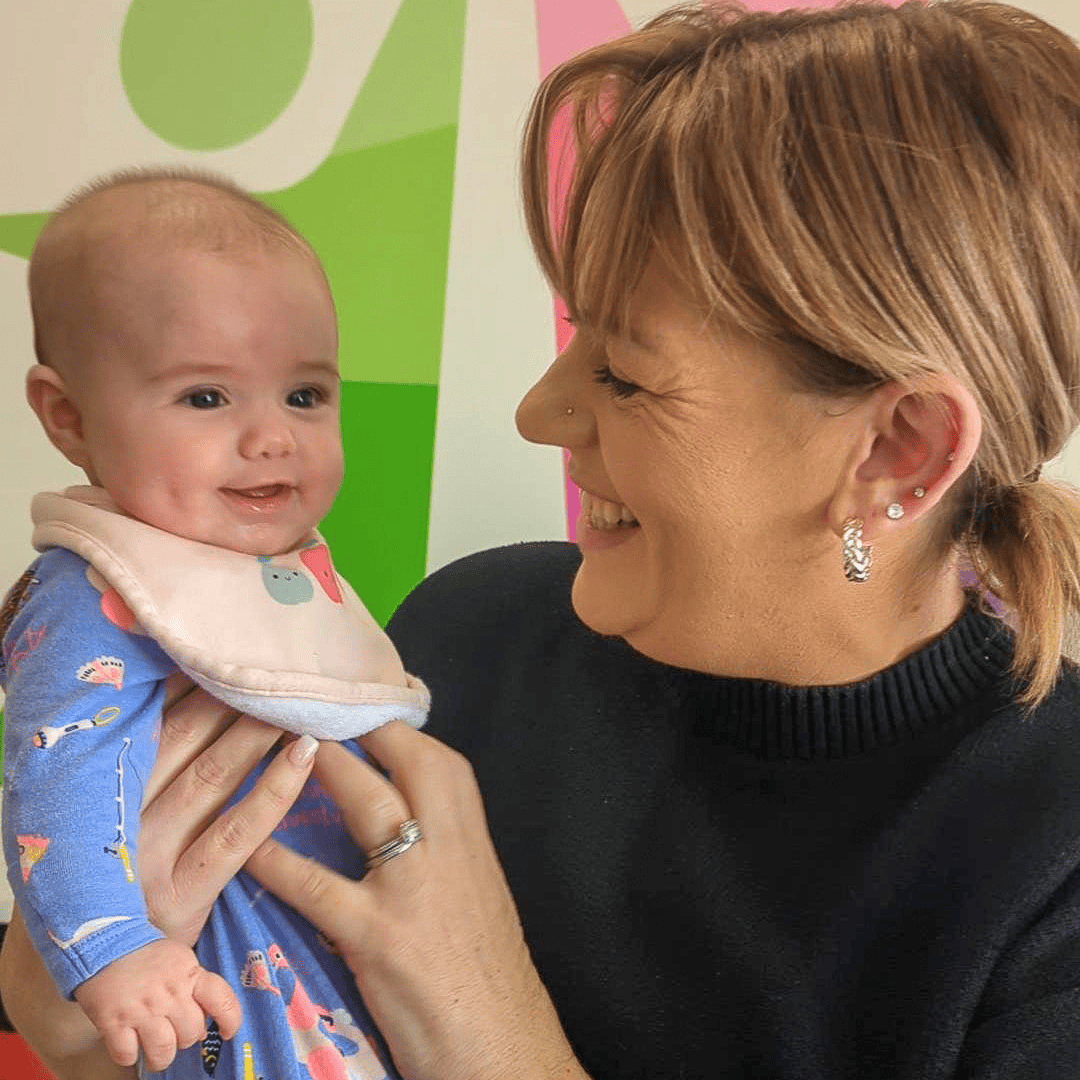
Babies can’t regulate on their own yet, so as caregiver, we need to help them manage their emotions. When a baby cries or turns away, it’s their way of communicating. By soothing them, through rocking, talking gently or singing, we help them begin to learn how to calm themselves.
Toddlers are learning independence, but impulse control is still tricky. Tantrums, frustration and clinginess are common. This is where consistent routines, clear boundaries and calm modelling make a huge difference.
By preschool and school age, children can start practising self-regulation independently. They can use strategies like taking deep breaths, counting to ten or asking for help. While structured routines and clear expectations are still important, giving them chances to problem-solve helps them practise these skills every day. For example, if two children want the same toy, instead of immediately deciding who gets it, you can guide them to think of a solution—maybe taking turns, sharing, or choosing a different activity. These moments help them practise self-regulation, patience, and decision-making.
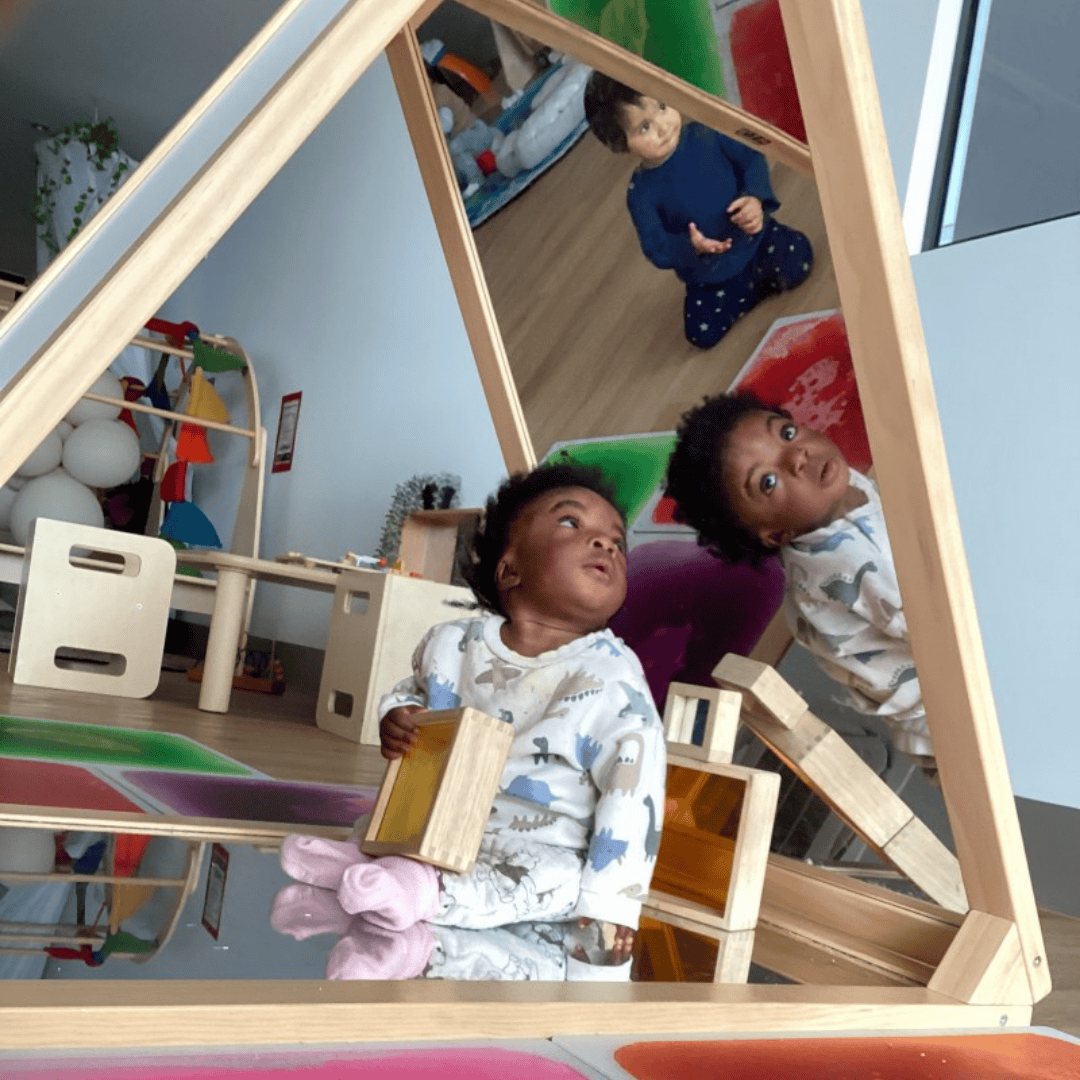
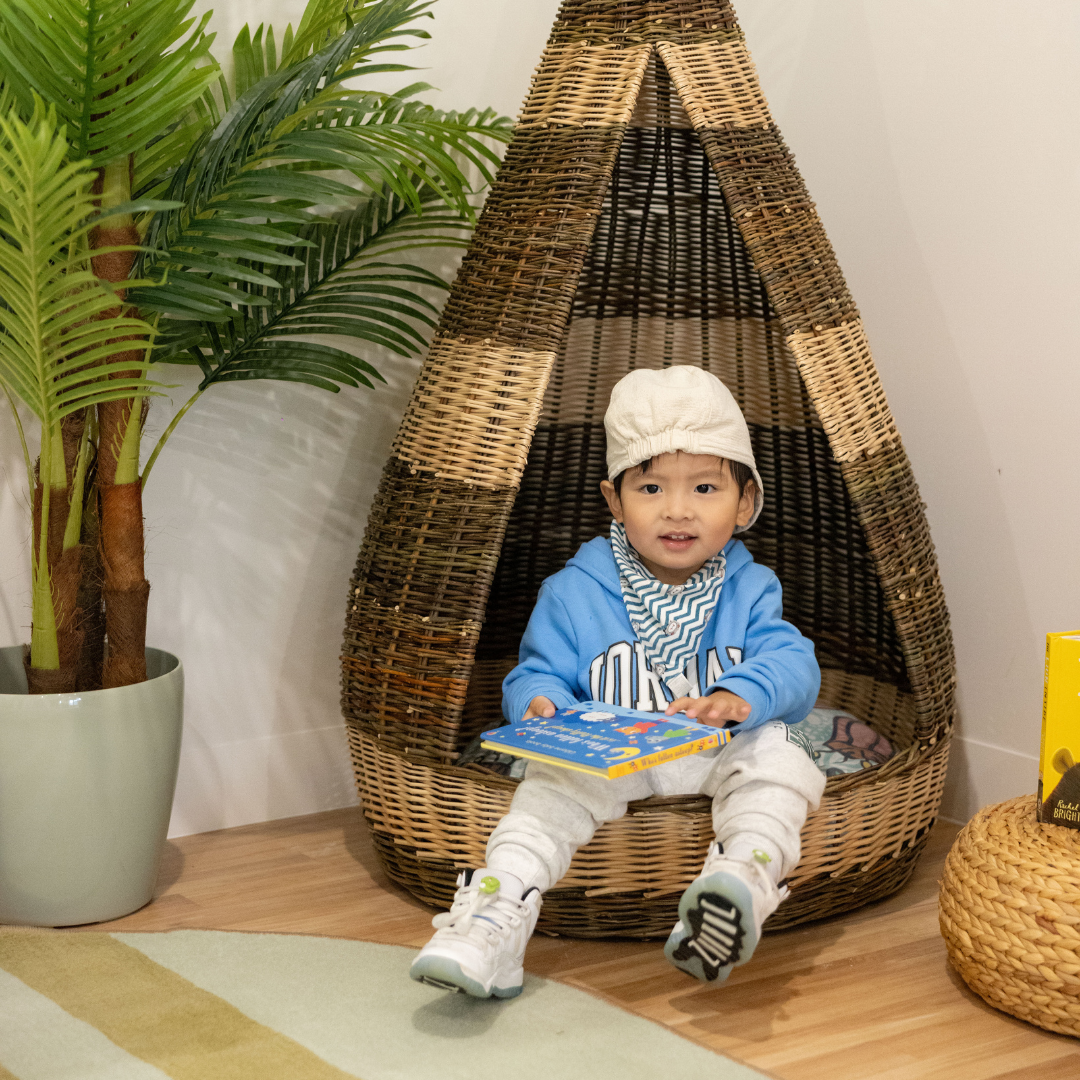
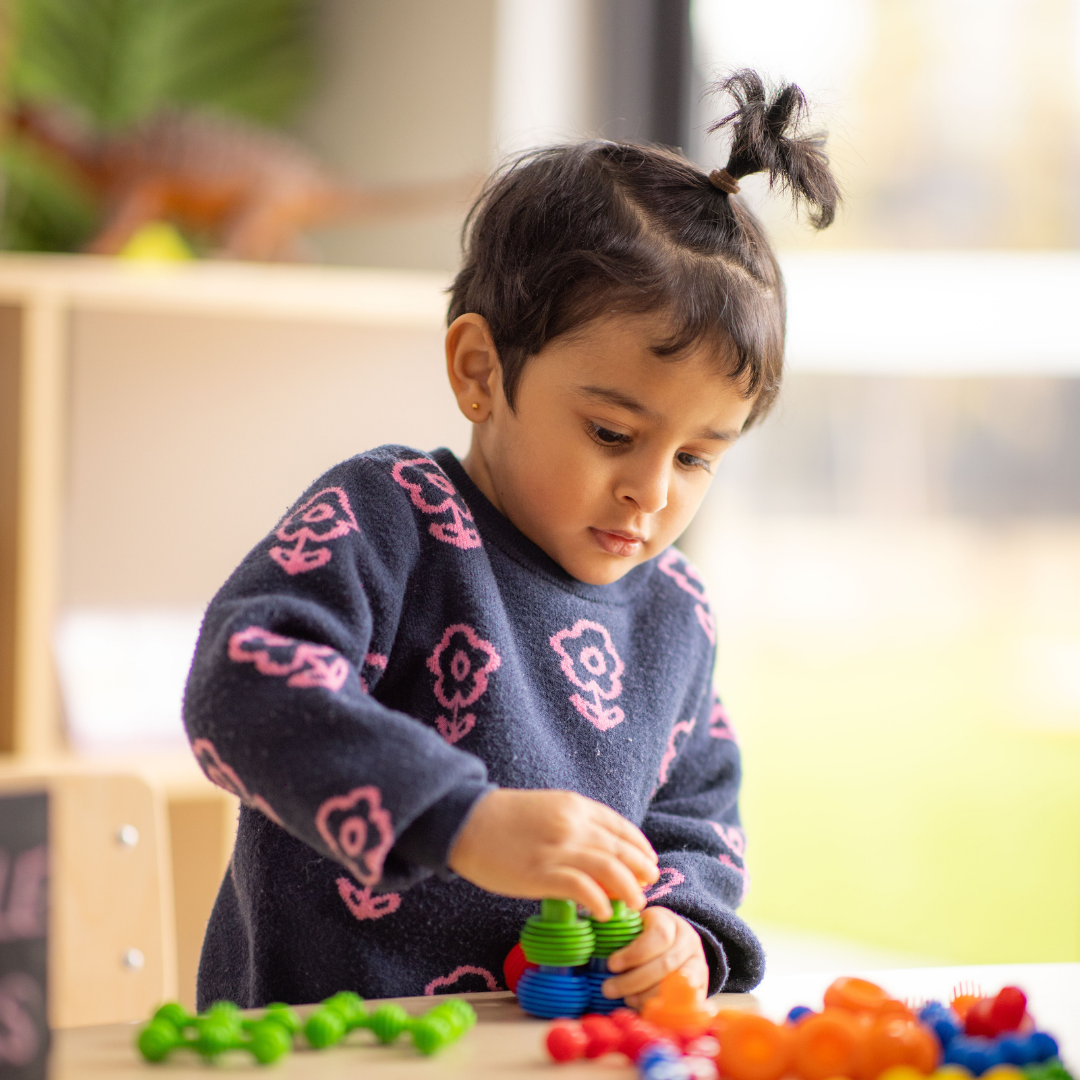
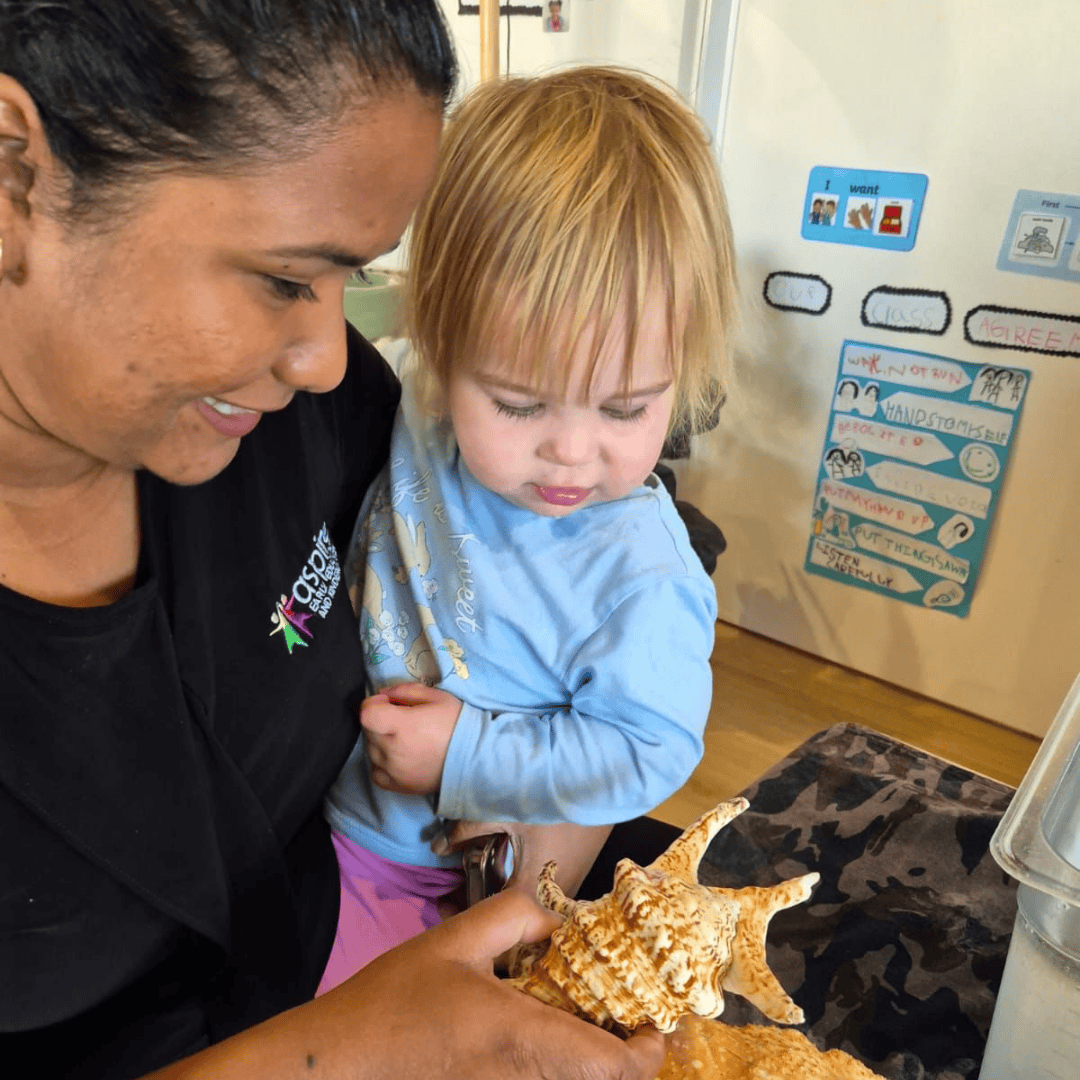
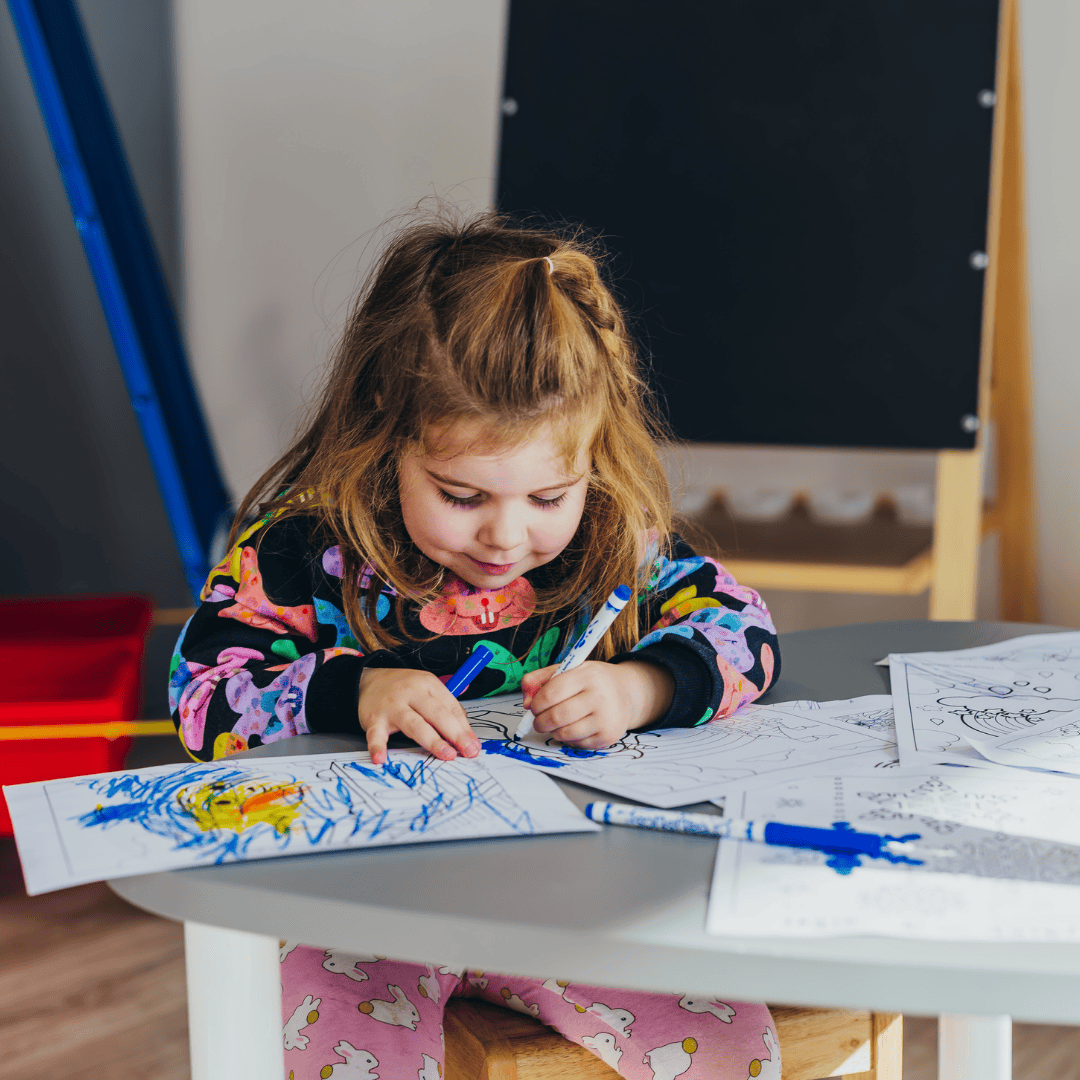
Self-regulation is all about emotions, but here we’ll give you some practical strategies you can try at home or see in action at Aspire Early Education.
Helping children pause and breathe is simple but powerful. Try:
These strategies help children calm down and think before responding.
Encourage children to talk to themselves in a kind and positive way:
This helps them shift focus from frustration to problem-solving.
A calm space can make a huge difference in helping children regulate. Think:
Predictable routines give children a sense of safety. Simple things like:
…all help children feel secure and reduce stress, understand expectations and support their self-regulation skills.
Talking about feelings helps children recognise and name emotions, which is a key part of self-regulation. Simple questions like:
…can start important conversations. You can also use emotion cards to help children visualise and label different feelings. Reflective listening and empathy go a long way in supporting their emotional growth and understanding.
Movement is essential. It helps children release energy, reduce stress and refocus. Ideas include:
Calm activities like:
…help children settle and practise emotional control.
Sometimes it’s about reducing what overwhelms them. For example:
Every child is unique. Strategies should match their age, temperament and developmental stage. Monitor how they respond and adapt accordingly.
Even with supportive strategies, children may struggle at times. Watch for:
If behaviours are persistent or affect daily life, it’s a good idea to seek guidance from a paediatrician, child psychologist, or early childhood professional.
At Aspire, self-regulation is part of our daily routine. Educators model calm behaviour, guide children through strategies, and provide opportunities to practise in a supportive environment.
At what age do children start developing self-regulation skills?
From when they’re a baby, through co-regulation with caregivers, and increasingly independently through preschool and school age.
What’s the difference between self-regulation and co-regulation?
Co-regulation is when a caregiver helps manage a child’s emotions. Self-regulation is when the child can manage independently.
How many strategies should I introduce at once?
Start small, one or two at a time, then add more as your child feels comfortable with these. If a strategy isn’t working, pause and try a different approach that might work better.
Are these strategies effective for children with special needs?
Yes, but they may need to be adapted to suit individual needs.
How often should self-regulation strategies be practiced?
Daily, integrated naturally into routines, works best. It’s essential to teach these skills early, as they will support your child for life.
How can I help a child who struggles with emotional outbursts?
Stay calm, acknowledge feelings and guide them through strategies like breathing or quiet time. Consistency matters.
Is it okay to use rewards to encourage self-regulation?
Occasionally yes, but focus on intrinsic motivation and praise for effort and progress.
What role does nutrition and sleep play in self-regulation?
Adequate sleep and a balanced diet support mood, focus and impulse control.
Can technology be used to support self-regulation skills?
Guided use of apps or videos for mindfulness, breathing or emotional learning can be helpful.
What are some common mistakes when helping children regulate emotions?
Ignoring feelings, punishing emotional outbursts or expecting instant mastery can hinder progress.
Self-regulation is one of the most valuable skills we can nurture in children. With guidance, patience and consistent practice, children can learn to manage their emotions, thoughts, reactions and behave appropriately and build resilience.
At Aspire, we create calm, supportive environments where children can practise self-regulation every day, supported by caring educators and structured routines. With the right tools, children gain confidence, emotional control and resilience that will last a lifetime.
If you liked this article, we also have a range of other resources that provide education and tips for parents. Check out some of them below: