








Sun Safety in Childcare: Preparing for Warmer Weather
Posted September 18th 2025
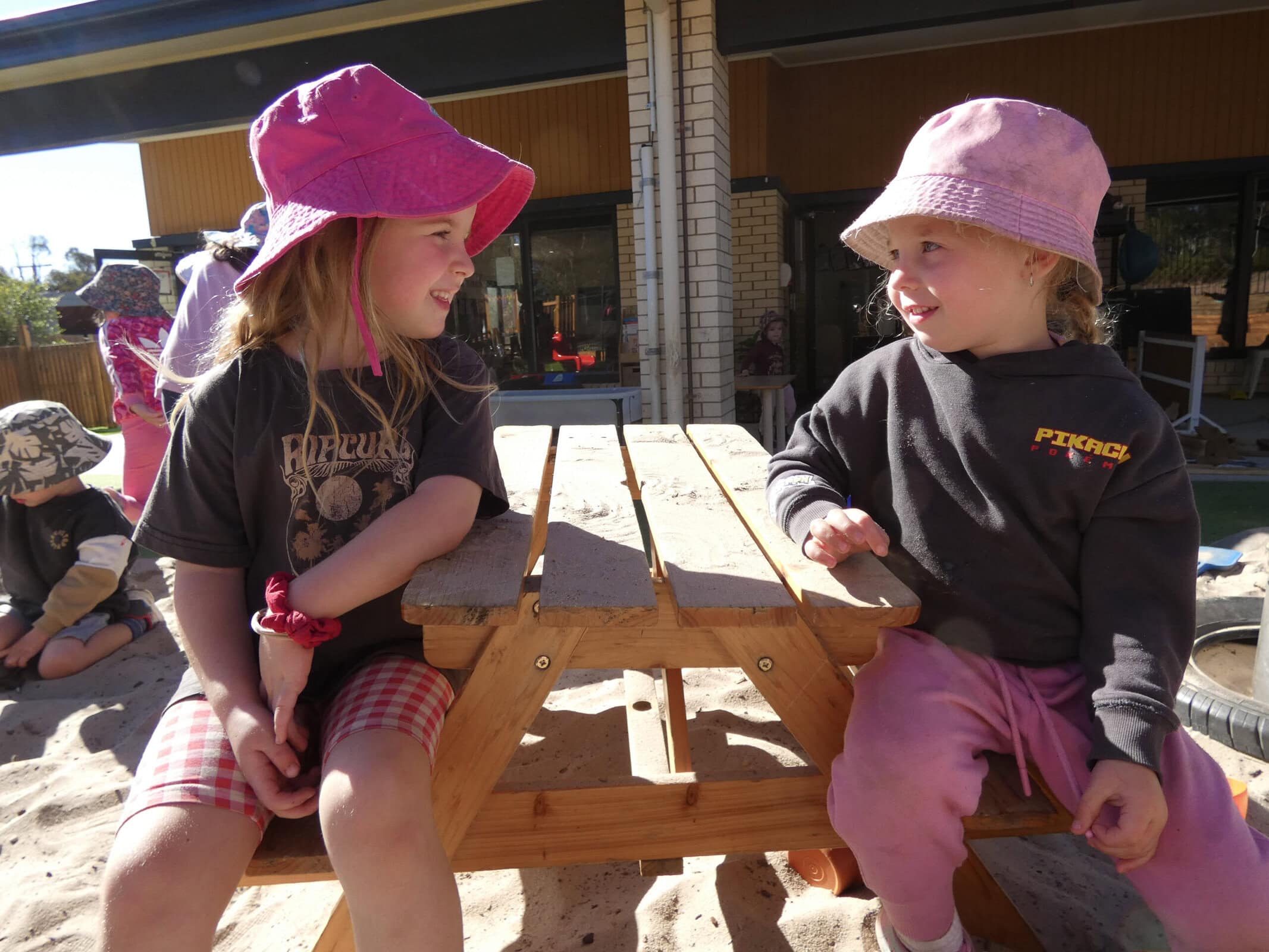
As we begin to hit the warmer months in Australia, the risk of sun exposure increases, making sun safety a top priority in childcare settings. Australia has one of the highest rates of skin cancer in the world, with two in three Australians developing some form of skin cancer before age 70. That’s why it’s important to keep children protected from the sun and instil sun safety habits from an early age.
In this article, we dive deeper into the importance of sun safety and some sun protection strategies that will keep children safe today and into the future.
Children’s skin is much more sensitive than adults’ making them especially vulnerable to the sun’s UV rays and its effects. Protecting little ones from the sun not only keeps them comfortable in the short term but also reduces the likelihood of long-term skin damage and health complications.
Educators play a key role in protecting children from the sun’s UV rays by incorporating sun safety practices into their daily routines and activities. This allows children to enjoy outdoor play safely while protecting their skin and overall health.
Being sun smart means protecting your skin and eyes from harmful UV rays to reduce the risk of sunburn, skin damage, eye damage and skin cancer.
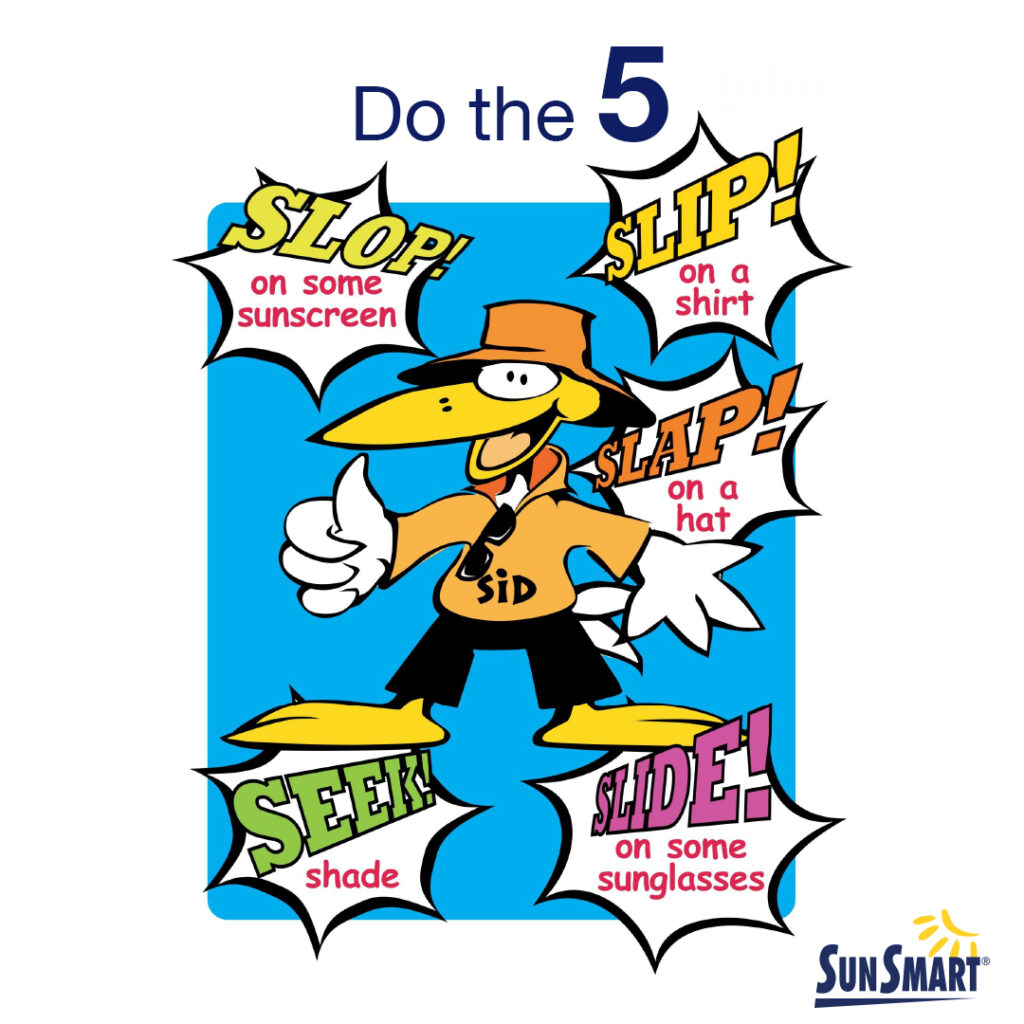
Cancer Council's SunSmart Slip, Slop, Slap, Seek, Slide message is a simple and effective way to teach children how to be sun smart.
Slip on protective clothing that covers as much skin as possible.
Slop on broad-spectrum, water-resistant sunscreen with an SPF of 30 or higher.
Slap on a hat that provides ample shade to the face, neck, and ears.
Seek shade whenever possible, particularly during the peak UV times.
Slide on sunglasses that comply with Australian Standards for UV protection.
All Australian early education centres must have a comprehensive sun protection policy that aligns with the National Quality Framework (NQF). Under the NQF and state-specific regulations, services must provide sun protection strategies, including access to shaded play areas, daily sunscreen application, and sun-safe hats and clothing. Compliance of this policy is monitored by state and territory regulatory authorities, with resources available from Cancer Council.
Sun protection is required in childcare when the UV level is 3 or higher, as this can cause skin damage. In Victoria, average UV levels are normally 3 and above from September to the end of April, but it’s important to monitor these UV levels all year round to protect yourself from the sun. Childcare centres can monitor UV levels using the SunSmart app, or websites such as Bureau of Meteorology (BoM website) or MyUV website.
Download the SunSmart Global UV App


In childcare, planning outdoor playtimes with sun safety in mind is essential. This includes scheduling outdoor activities in the early morning or late afternoon when UV levels are lower, and rotating play areas to take advantage of natural shade. By thoughtfully planning playtimes during the warmer months, educators can keep children safe from harmful UV exposure while still allowing them to enjoy active and engaging outdoor experiences.
Outdoor yards in childcare centres should be equipped with shaded areas, so children are less exposed to the sun. Creating safe outdoor spaces in childcare starts with high-quality shade and thoughtful design. The outdoor yard should have enough adequate shade - from trees, shade sails, or covered sheltered areas to help protect children from sun exposure during play. By combining well-planned shade with engaging play areas, childcare services can ensure children enjoy outdoor play safely while reinforcing sun smart habits.
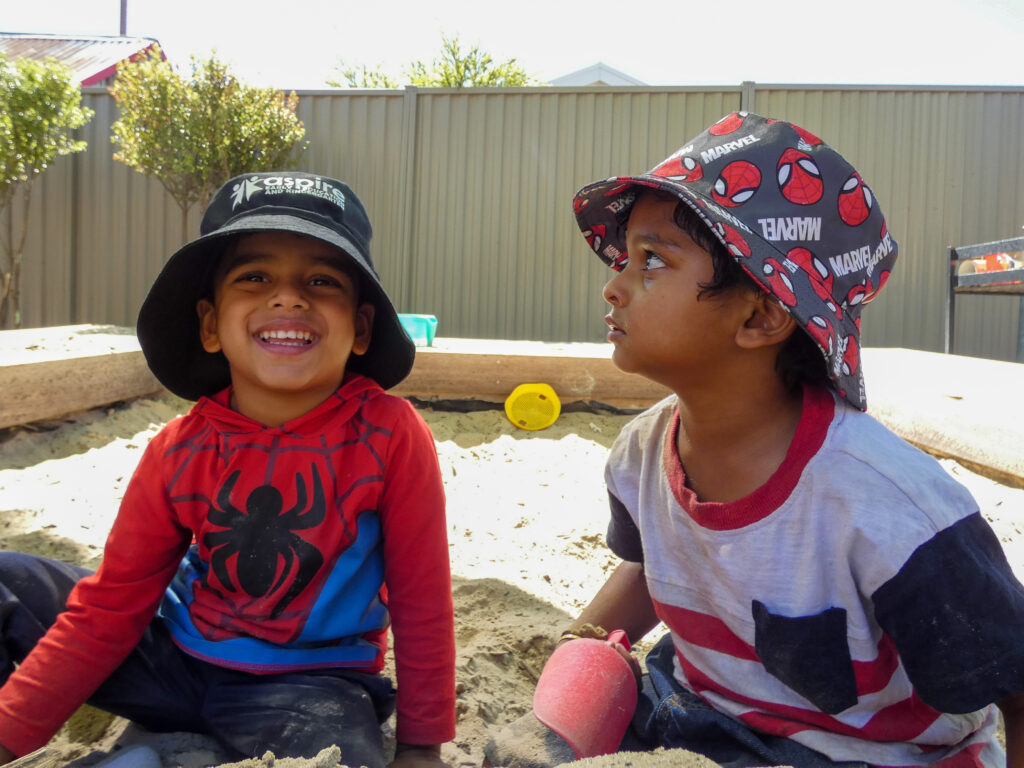
Most childcare centres will have a “No hat, no outdoor play” policy. This ensures children are not playing outdoors in the sun without wearing a hat that covers their face, neck, ears and eyes. There are three main styles of hats that provide adequate sun protection including: Broad Brimmed, Bucket and Legionnaire.
Caps and visors should be avoided as they leave the ears and the back of the neck exposed. Wearing sun protective clothing is also recommended, such as white t-shirts with longer sleeves and collars, and longer shorts, pants, dresses or skirts.
Applying sunscreen before going outdoors is essential for protecting your skin from sun damage. Educators should apply sunscreen to children at least 20 minutes before outdoor play on clean, dry skin. It should then be reapplied every two hours, or more frequently if children are swimming, sweating lots, or towel drying.
In early education settings, educators play a key role in being good role models and promoting sun safety. When educators consistently wear their own hats, apply sunscreen, and seek shade during outdoor activities, children are more likely to adopt these behaviours themselves. By demonstrating positive sun-safe practices, educators send a powerful message that sun safety is important.
Embedding sun safety practices throughout early education curriculum ensures children, families and educators all follow sun safe practices. By incorporating sun protection into a child’s daily routines, their learning experiences, and role modelling, educators not only protect children’s wellbeing but also empower them with the learning and skills to play safely when outdoors.
Educators play a vital role in modelling and promoting sun safe behaviours to young children. They are responsible for monitoring UV levels every day, ensure children are protected with sunscreen, hats, and clothing, and encourage healthy habits such as applying sunscreen independently. By embedding these practices into daily routines and leading by example, educators create a culture of sun safety that supports children’s health and wellbeing.
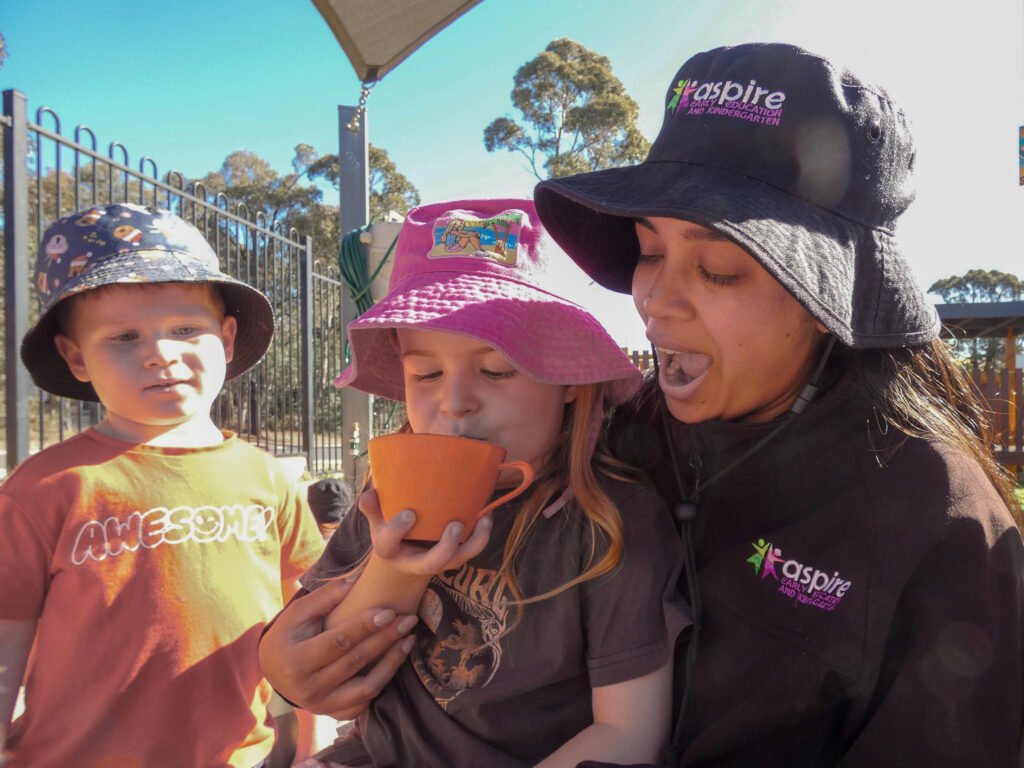
Sun safety doesn’t end when children leave childcare and is equally important for parents to reinforce at home. Simple steps like applying sunscreen 20 mins before going outdoors, wearing wide-brimmed hats and seeking shade when UV levels are high will make a big difference. If your child is resisting wearing a hat or putting on sunscreen, then try to make the process more fun and exciting for them!
Use colourful zinc sunscreen sticks (with high SPF) and encourage children to pick their own fun and colourful wide-brimmed or bucket hats from the shops. This adds more excitement while also keeping them protected from the sun.
The SunSmart app is also a great free tool for families to download to check UV levels, set sun protection alerts and get free advice. By practising sun safety routines consistently, families can help children build sun safe habits and stay protected every day.
At Aspire, we take sun protection very seriously and embed sun safety practices throughout our curriculum and daily routines. We have a strict “no hat, no play” policy, which means children without hats must stay in a shaded areas at all times. Babies under 12 months of age are also kept out of direct sun when UV levels are 3 and above.
We also have a strict sun protection policy at all our Aspire centres. This follows the SunSmart principles, and includes the following sun protection measures:
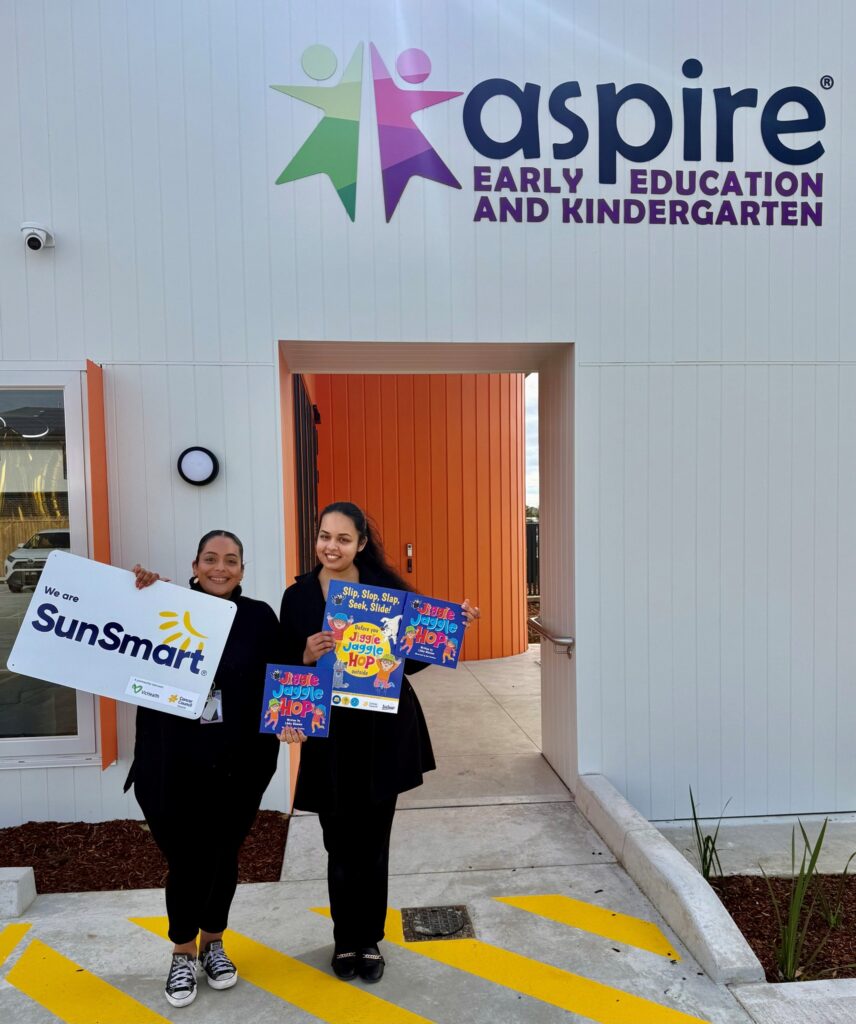
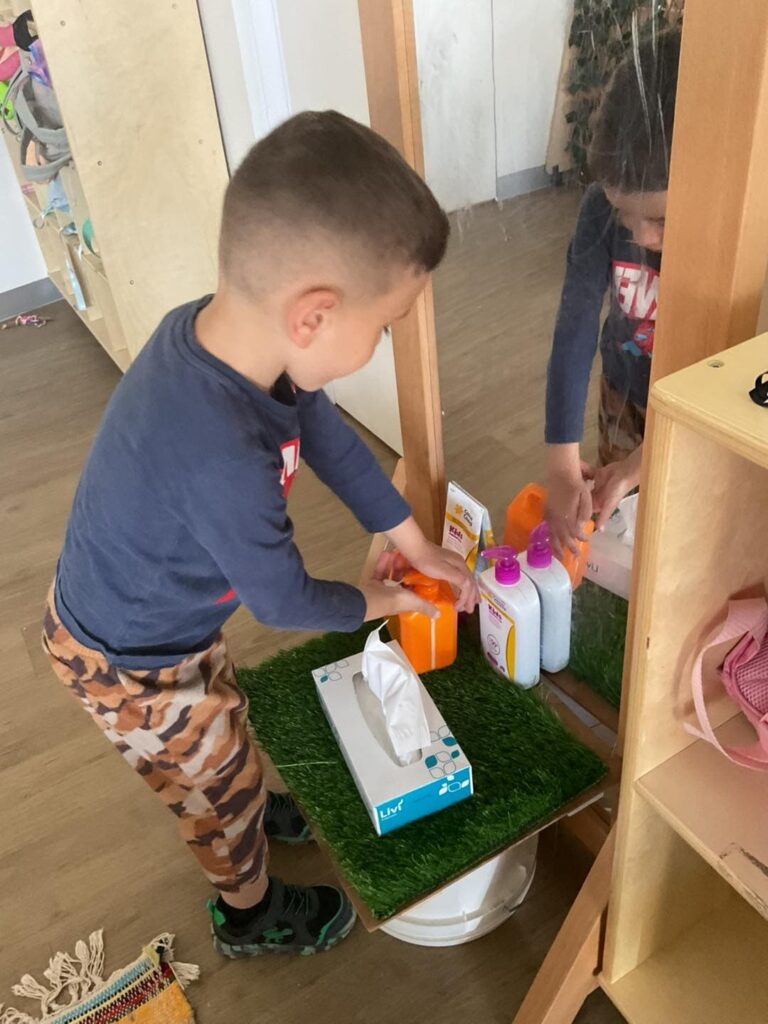
Sunscreen – Sunscreen is supplied as part of Aspire's fees and will be applied to children when the UV rays are 3+. Educators make sure child has been sun screened 20 minutes before going outside. And re-applied every two hours or as per directions on bottle. In our kinder rooms, educators also encourage children to apply their own sunscreen under supervision, which helps them get into good habits themselves.
Shade – Management at Aspire will ensure there is a sufficient number of shelters/sunshades and trees providing shade in the centre’s outdoor areas. We encourage children to play in the shaded areas as much as possible, especially during the summer months.
Brimmed hats – Hats must be worn while outdoors when UV levels are 3 and above by both educators and children. Hats must be either legionnaire, wide brim, or bucket, with caps not permitted. Children can wear their own hats from home or our Aspire hats which are available when children enrol. All hats are to be named and taken home for washing at the end of each week.
Clothing - Children and educators at Aspire are advised to wear sleeved tops that cover their shoulders and top of their arms, and/or loose-fitting clothing that covers as much skin as possible. Our educators will ensure all children are dressed appropriately for the weather outside each day.
It’s never too early to begin teaching sun safety. From age 6-12 months onwards, you can start to teach them about sun protection measurements, so they understand how to protect themselves.
Yes, it is recommended to apply a broad-spectrum, SPF 30+ (or higher) sunscreen at home before arrival, so children are protected as soon as they step outside.
Sunscreen should be reapplied every two hours, or more frequently if children are sweating or playing in water. Educators will assist with reapplication during the day to ensure ongoing protection.
Yes. Up to 80% of UV rays can pass through clouds, so sun protection is important even on overcast days or when temperatures feel cool. If the UV level is above 3, then sun protection is necessary.
It's best to avoid sunscreen for babies under 6 months and keep them out of direct sunlight instead. For babies over 6 months, sunscreen can be used on small, exposed areas. Choose a baby-specific, broad-spectrum, water-resistant sunscreen with an SPF of 30 or higher and test it on a small patch of skin first and then reapply every 2 hours.
A wide-brimmed or bucket hat that shades the ears, face, and neck is most ideal. Caps should be avoided as these offer the least protection against the sun’s UV rays.
Tightly woven fabrics and clothing with a high UPF (Ultraviolet Protection Factor) rating offer the best protection. Long sleeves and pants made from breathable fabrics also help shield the skin.
All our Aspire centres have a sun protection policy which outlines a set of sun protection measures that educators and children must follow.
Yes, educators will reapply sunscreen during the day, every 2 hours or more often if needed. Our Aspire centres supply sunscreen, but families can supply their own if they wish. The sunscreen needs to be clearly named and dated, and Educators are to only apply that sunscreen to that child.
At Aspire, we check the daily UV index to guide outdoor play, to ensure children are protected before going outdoors. During the warmer months, outdoor play is often scheduled for mornings or late afternoons when UV exposure is lower, and shaded areas are highly encouraged. This balance allows children to enjoy fresh air and active play while staying safe in the sun.
At Aspire, we have a “no hat no play” policy. If a child forgets their hat, they will be asked to play in shaded areas outdoors rather than in the sun, and limit outdoor play as much as possible.
Parents should immediately inform the centre. Hypoallergenic or mineral-based sunscreens can be used, and educators will follow any care instructions provided to prevent reactions.
You can help your child get prepared by introducing simple sun safe habits at home from an early age. Encourage them to wear a wide-brimmed or bucket hat when playing outside, practice applying sunscreen together, and talk about why protecting our skin from the sun is important.
Sun safety in childcare and at home, is about giving children the knowledge and confidence to stay safe in the sun well into the future.
If you liked this article, we also have a range of other resources that provide education and tips for parents. Check out some of them below: