








Professional Boundaries in Childcare | Why They Matter
Posted September 5th 2025
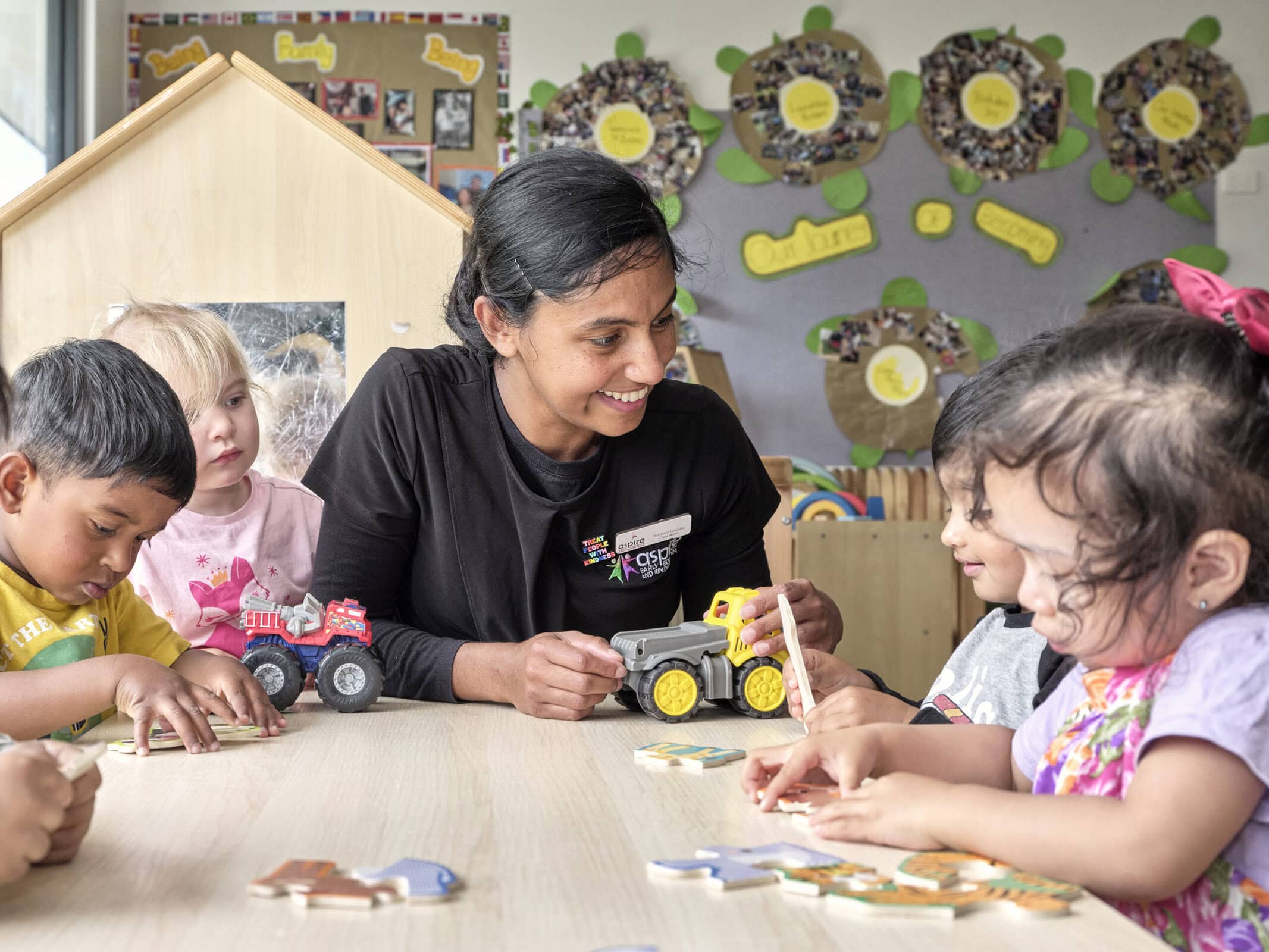
Setting professional boundaries are essential in early education settings. They help define the roles of educators, set clear expectations for families, and create a safe and respectful environment for children. By maintaining healthy boundaries, educators can build positive relationships while protecting the wellbeing of every child and ensuring care remains professional and ethical.
Below we discuss the importance of professional boundaries, and why they matter in both educator-child and parent-child relationships.
Professional boundaries are the limits that define respectful, appropriate, and ethical interactions between educators, children, and families. They help ensure relationships remain focused on children’s learning, safety, and wellbeing, while also protecting educators from situations that may become complex or challenging.
Boundaries come in many forms, including physical, emotional, and behavioural, all of which play a key role in childhood development.
Boundaries define how educators interact with children in a safe and respectful way, and there are many reasons why it is important for educators to set these limitations in childhood settings.
Boundaries are an important part of creating safe and supportive relationships between educators and children. When educators set clear and consistent boundaries, children know what to expect, which helps them feel secure and safe. Boundaries also teach children to understand what acceptable behaviour is and how to express their own needs.
By knowing where the limits are, children feel empowered to express themselves, make choices, and communicate their needs in positive ways. This builds trust between educators and children.
Having clear boundaries also ensures every child is treated fairly and with respect. By setting these boundaries, educators avoid showing favouritism or giving special treatment to one child, which helps all children feel equal. Boundaries also protect children from potential harm by maintaining safe, consistent and professional interactions with their educators. This creates a trusting and safe environment for children.
Setting clear expectations and treating each child fairly, creates a respectful learning environment where their needs are valued. It also shows children how to treat others with respect by observing these respectful behaviours.
Boundaries actually help children become more independent. When they understand the expectations set, they feel more confident making choices within those limits. Boundaries give children the chance to make decisions within a safe environment, helping them build problem-solving skills and trust in their own judgment.
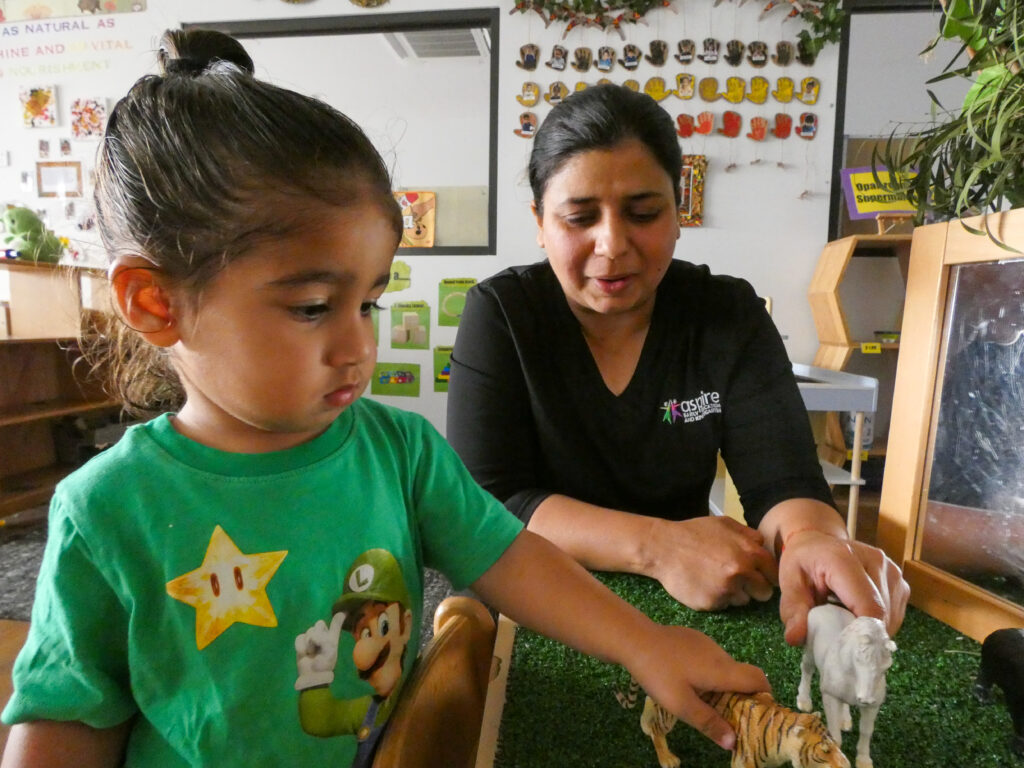
Boundaries support ethical decision-making by setting clear expectations, protecting professional distance, and strengthening trust within the child–educator relationship. They protect against dual relationships and potential risks, helping educators make choices that place the child’s well-being above personal interests or inappropriate interactions.
There are several reasons why boundaries are just as important in educator-parent relationships. By maintaining healthy boundaries, educators can focus on the child’s best interests, collaborate effectively with families, and foster a respectful partnership.
Clear boundaries help families and educators understand each other’s roles and responsibilities. When these are defined, communication becomes more respectful, consistent, and transparent. This creates a foundation of trust, where families feel confident in the care and education provided to their child, and educators feel supported in their role.
Boundaries help define how families and educators work together to support a child’s learning and development. They give families an understanding of what they can expect from educators, such as clear communication, supervised care, and guidance. It also clarifies what educators expect from families, like sharing relevant information or engaging in certain activities. This mutual understanding ensures everyone is working toward the same goals for the child.
Maintaining boundaries also helps to improve open and consistent communication between families and educators. Defining which channels to communicate through (e.g. in person, through work email etc.) and the appropriate times for discussion, will ensure conversations stay focused on the child’s needs. This clarity makes it easier for both families and educators to share information, ask questions, and work together effectively.
Boundaries also provide clear guidelines for handling concerns or disagreements in a respectful and professional way. They can help families and educators address difficult situations in a calm and respectful way. This prevents personal feelings from overshadowing the child’s best interests.

These involve respecting a child’s bodily autonomy, personal space, and physical touch. Every child has the right to their own privacy and physical contact should be avoided if seen inappropriate. Educators should always ask for consent (e.g., before giving a hug) and ensure environments are safe and secure.
Emotional boundaries are limits you place on the emotions you give and receive and protect a child’s feelings and thoughts. Children’s feelings should be acknowledged and respected without being dismissed or taken on as the educator’s own. This helps children learn that their emotions are valid and teaches them how to regulate and express them appropriately.
Behavioural boundaries are the guidelines you establish to determine which behaviours you consider acceptable or unacceptable in your interactions with others. Consistent expectations around behaviour help children understand limits and make positive choices.
Digital boundaries are the limits we set for ourselves and others around technology use and online interactions. In childcare, it’s important to have these boundaries so that technology use and that type of content absorbed is for educational and learning purposes only.
These boundaries refer to the maintenance of professional, respectful, and ethical communication between educators, children, and parents. This includes setting clear limits on personal disclosures unrelated to a child’s care.
Professional boundaries in childcare are the ethical and behavioural limits that define a safe, appropriate, and respectful relationship between educators and children and their families. They are set by legal and ethical organisational standards that protect the wellbeing of staff and children.
Favouritism boundaries establish clear limits on preferential treatment towards a child or family, ensuring all children receive equal care and attention, and promoting a fair and inclusive environment.
At Aspire, we take pride in creating a safe, nurturing, and empowering environment for every child. We turn our safety commitments into action by embedding the 11 Child Safety Standards into policies, programs, and daily practices, measured and accountable at every level. Some of our Aspire centres have created a child safety commitment where educators write their commitment to child safety in a heartfelt display. By acknowledging this commitment in a visual way, we support children to feel safe and uplifted and show families that this is embedded throughout our service.
We also build trust with families and the wider community by providing transparency and education on child safety practises and always ensure we uphold professional boundaries. Aspire also equips our educators and staff with these tools to champaign child safety in every interaction and throughout our curriculum.
For Aspire’s little learners, we are fortunate to have Braveheart’s run their Body Safety Program “Ditto’s Keep Safe Adventure Show” across many of our Aspire centres during each term. This program teaches young children essential personal safety skills using age-appropriate language, song, and dance.

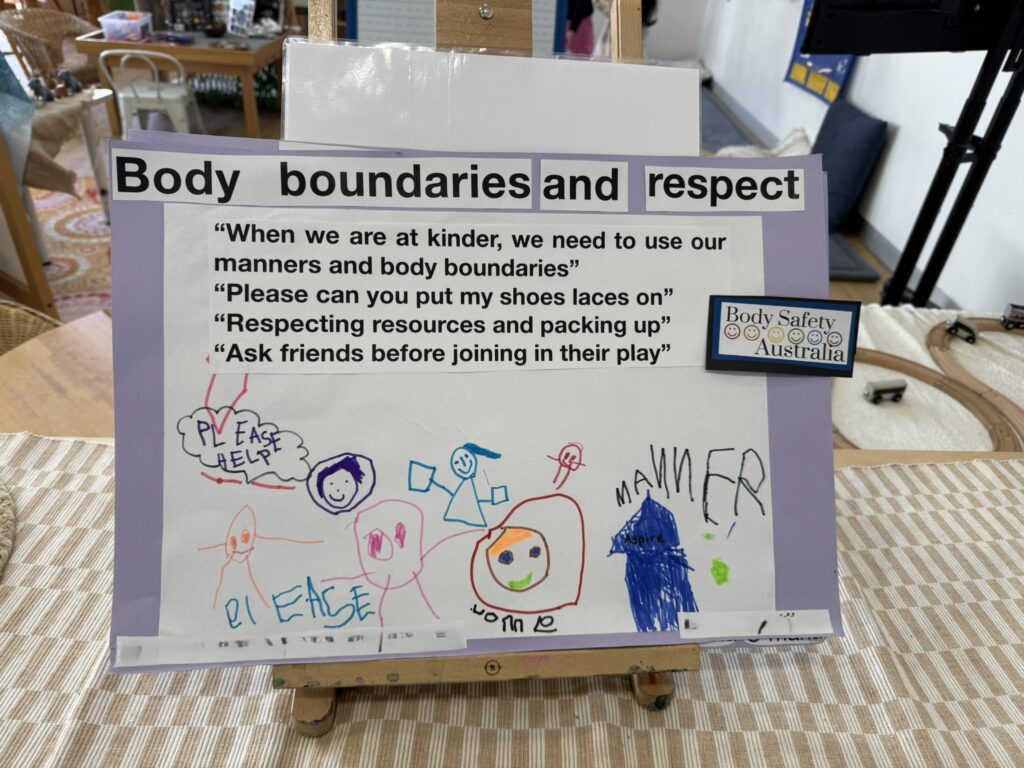
These learnings also go beyond the program and are embedded into our curriculum too. At Aspire Clyde North, they’ve been teaching the kindergarten children about body boundaries and respect. In their kinder room, they have a display in the entrance of with important actions and language that promote personal safety. The children then draw their own images of what personal safety looks like to them, which helps their understanding and learning of child safety.
Setting strong professional boundaries are essential for creating a safe, respectful, and supportive environment for both children and educators.
If you liked this article, we also have a range of other resources that provide education and tips for parents. Check out some of them below: