








Building Positive Parent-Teacher Relationships
Posted December 13th 2024

Parent-teacher relationships are a key part of the early education journey. This goes beyond giving them a card and box of chocolates at the end of the school year, but creating a positive partnership throughout the year can help children thrive. When parents and teachers join forces, children thrive. They achieve more academically, build stronger social skills, and foster emotional well-being. Together, this partnership creates a supportive bridge between school and home, empowering children to succeed in every aspect of their lives.
We understand that all families look different. We have used the terms “Parent”, “Guardian” and “Family” and their variants interchangeably throughout this resource. These refer to any person or persons who act as a caregiver, family member or guardian as a parent of a child.
Creating a strong relationship between parents, educators and the wider centre team benefits all involved. Children, teaching teams, families and centre staff gain great value from mutual respect and collaboration.
A 2023 Queensland-based survey, taken by over 96,000 parents and over 50,000 school staff, found that the vast majority of parents felt supported by schools to help their child with their learning (89%), were able to talk to their child’s teachers about their concerns (93%), and that their opinions were taken seriously (81%) (Department of Education Qld, 2023).
For parents, guardians and families, positive relationships with their child’s early education teachers have many benefits.

Strong family-teacher relationships are the cornerstone of a successful early education experience. These partnerships foster trust, collaboration, and mutual understanding, creating a supportive environment where children can flourish. Here are some practical ways to build and nurture this vital connection.
Effective communication is the foundation of any positive relationship. Two-way communication means both parents and teachers share information openly and respectfully. For example, parents can provide insights about their child’s interests and routines, while teachers share updates on classroom progress and developmental milestones.
At Aspire, we make communication seamless through our user-friendly app, Kinder M8. This platform keeps families informed about their child’s daily activities, upcoming events, and important notices. It’s also a space for parents to ask questions, share feedback, and stay connected with the teaching team in real-time. Regular and transparent communication builds trust and ensures everyone is working together to support the child’s growth.
One of the easiest, and often overlooked, ways to start building relationships with centre staff is to simply say “Hi”. Taking a moment to greet educators and centre staff each day will make their morning! These small gestures foster a sense of community and mutual respect, making it easier to collaborate on your child’s needs and successes.
Aspire Early Education and Kindergarten centres often host events like parent nights, cultural celebrations, and large-scale community events. Attending these events shows your support for the centre’s initiatives and gives you a chance to connect with educators, other families, and the broader community. Participation strengthens the parent-teacher bond and helps you stay involved in your child’s educational journey. It shows that you care about being a part of the centre community and about important events in the centre's calendar.
One sure-fire way to strengthen your relationship with the centre staff is to stay up to date with newsletters, emails, and centre notices. This ensures you’re always informed about important updates and upcoming activities. Make it a habit to check the Aspire app or designated communication channels regularly. Being well-informed helps you engage meaningfully with the teaching team and plan for events or discussions.
Don’t hesitate to ask teachers for insights about your child’s development. Regular feedback sessions provide valuable opportunities to discuss your child’s progress, challenges, and achievements. Open conversations with educators help you stay aligned with goals and strategies to support your child both at home and in the classroom.
Sharing the joy of your child’s accomplishments strengthens the parent-teacher bond. Whether it’s a developmental milestone, a classroom achievement, or a personal triumph, celebrating together creates a sense of partnership and mutual pride in your child’s journey.
Taking the time to learn more about the educators who work with your child fosters mutual respect and understanding. Share stories about your child’s personality, interests, and experiences, and learn about the teacher’s approach and values. Building this personal connection makes collaboration more effective and enjoyable.
A simple thank-you note, a kind word, or a gesture of gratitude can make a big impact. Acknowledging the hard work and dedication of the teaching team shows that you value their efforts. Feeling appreciated motivates educators and strengthens the relationship between families and the centre.

Building bonds with others can have its challenges. Whether it is a miscommunication with expectations, unfamiliarity with each other’s languages and cultural backgrounds or a clash in personalities, difficulties may pop up. However there are many ways to overcome these challenges within a teacher-parent relationship.
Clear and respectful communication is key when addressing concerns about your child. Approach the conversation with a collaborative mindset, focusing on the child’s well-being and development rather than assigning blame. Share specific examples of behaviours or issues and ask for the teacher's insights and support. This creates a partnership where both parties feel heard and can work together to find the best solutions for the child.
Parents and teachers often have different perspectives on a child's needs, learning pace, and behaviours. To bridge this gap, it’s important to have open conversations about expectations. Parents can share their goals and priorities for their child's education, while teachers can outline their approaches and classroom practices. Regularly reviewing and aligning expectations helps create a unified support system, ensuring that everyone is working towards the same developmental goals.
Cultural and linguistic diversity is an asset in early learning environments, but it can sometimes lead to misunderstandings. Take time to learn about each other’s backgrounds, traditions, and communication styles. Teachers can create opportunities to celebrate cultural diversity in the classroom, while parents can share insights about their customs and values. This mutual understanding fosters a sense of belonging for children and strengthens the parent-teacher relationship.

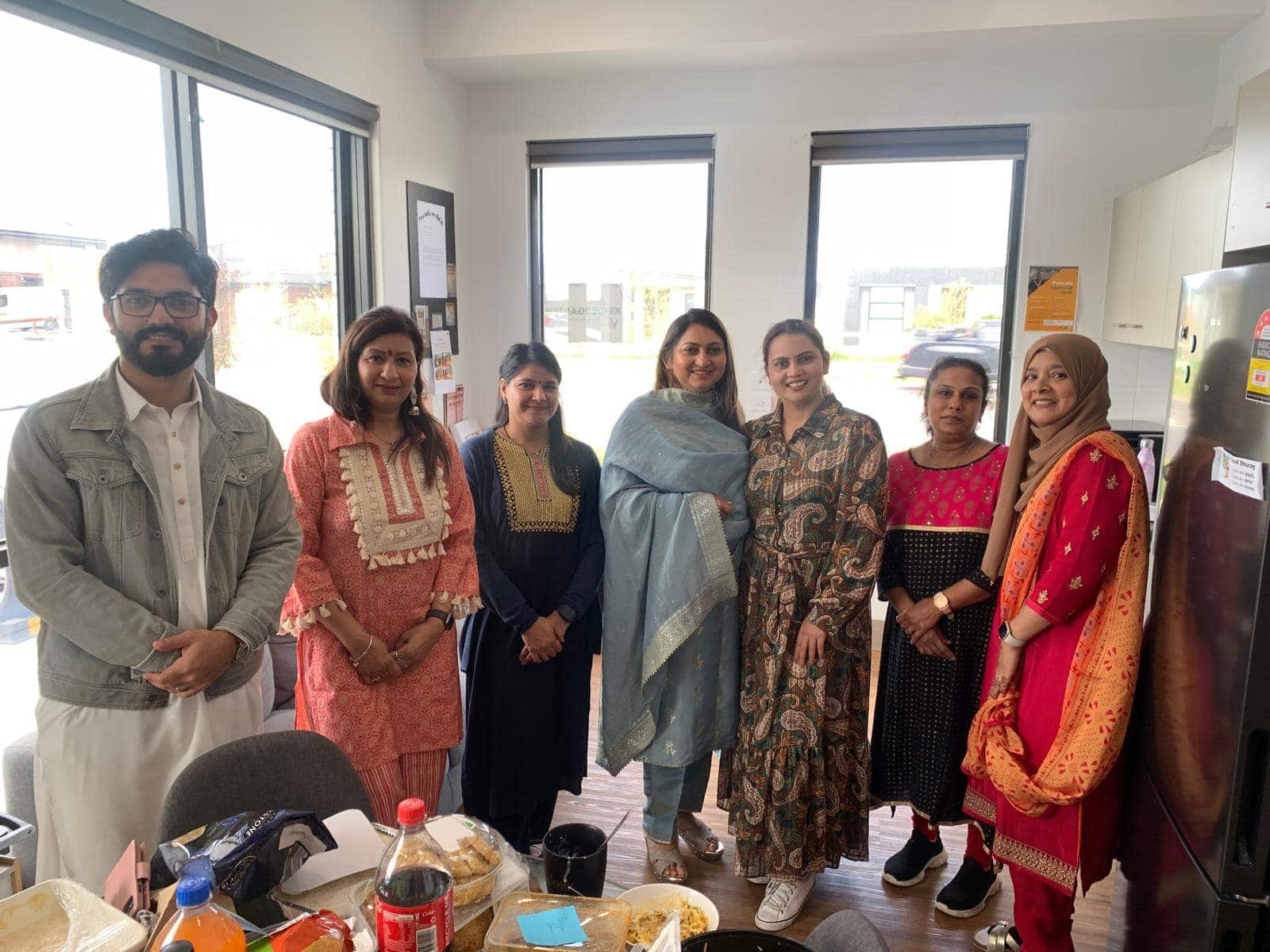
The importance of parent-teacher relationships cannot be overstated when it comes to a child's early education journey. Positive parent-teacher relationships are the cornerstone of a successful learning experience, creating a nurturing environment where children can thrive academically, socially, and emotionally.
Building parent-teacher relationships takes effort and collaboration, but the rewards are immense. By fostering trust, communication, and mutual respect, parents and educators can work together to provide consistent support for children. Understanding how to build parent-teacher relationships through open dialogue, shared goals, and meaningful interactions lays the foundation for success in both home and educational settings.
If you liked this article, we also have a range of other resources that provide education and tips for parents. Check out some of them below:
To learn more about Aspire Early Education & Kindergarten, enquire now at your nearest Aspire centre!