








Sustainability in Childcare & Early Education: Building a Greener Future
Posted July 3rd 2026
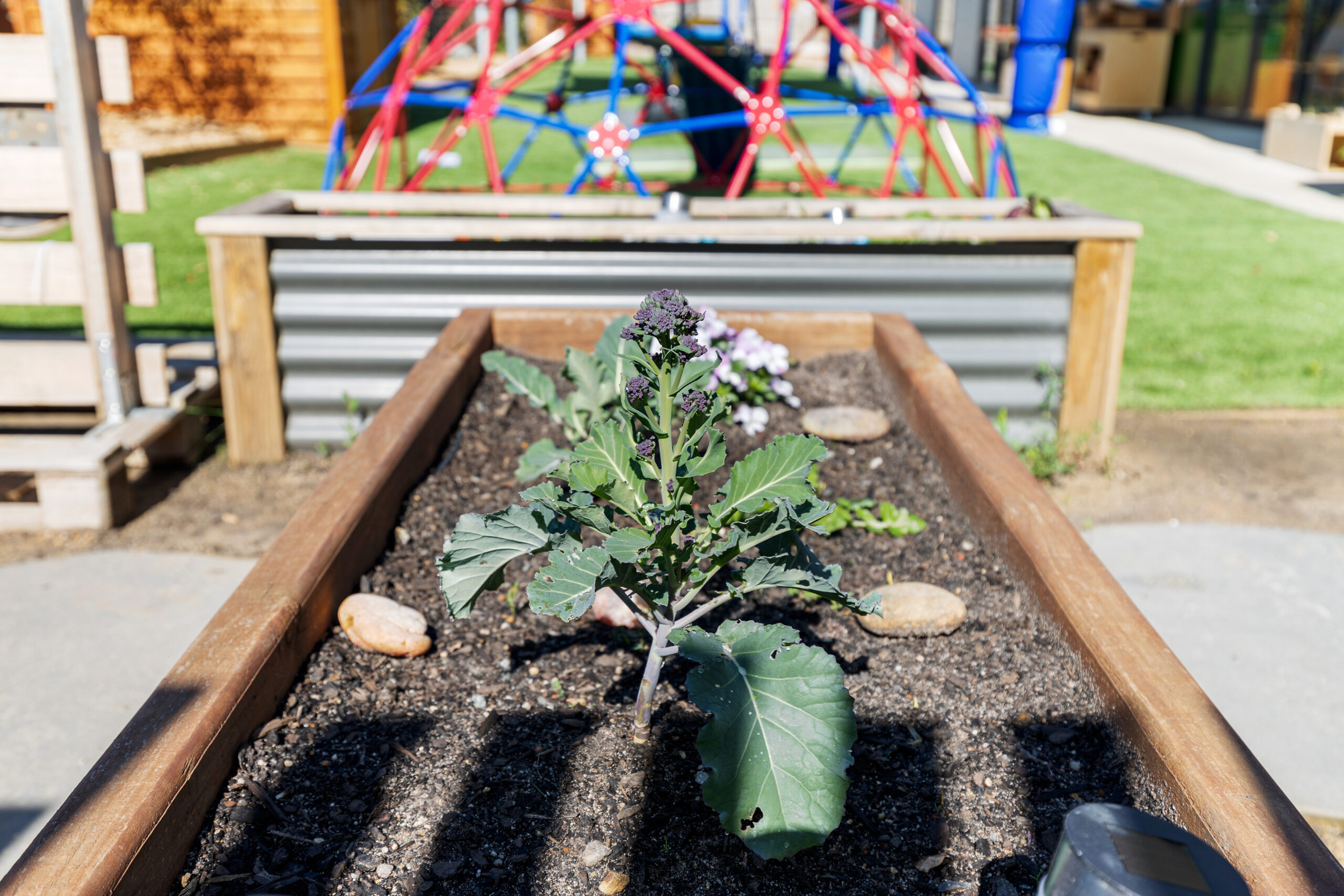
Sustainability in early childhood education is about helping children understand the relationship between people, communities and the natural environment. Educators introduce sustainability through meaningful everyday experiences that encourage children to respect nature, reduce waste and care for living things.
Children are encouraged to become socially responsible and show respect for the environment. Through play based learning, children develop an understanding that even small actions, such as recycling, saving water or planting a seed can make a positive difference.
By making sustainability part of everyday routines, children naturally develop habits that support environmental responsibility throughout their lives.
Encourages Environmental Awareness
Children are naturally curious about the world around them. Sustainability activities help them understand where food comes from, why plants and animals need protecting and how their everyday choices affect the environment. These early experiences foster empathy for nature and encourage children to become thoughtful and environmentally aware.
Builds Responsibility and Independence
Simple responsibilities such as watering plants, placing rubbish into the correct bins or feeding a worm farm help children develop confidence and independence. Caring for their environment gives children a sense of ownership and teaches that everyone's actions contribute to a healthier planet.
Supports Problem-Solving Skills
Sustainability often encourages children to think creatively. Whether deciding how to reuse recycled materials, discovering ways to save water or observing what plants need to grow, children are constantly experimenting, asking questions and solving problems through hands-on learning.
Fosters a Connection with Nature
Spending time outdoors allows children to appreciate the beauty and importance of the natural world. Exploring gardens, watching insects, listening to birds or simply playing amongst trees encourages mindfulness, curiosity and a genuine connection with nature that supports both wellbeing and environmental respect.
Creates Lifelong Sustainable Habits
Children learn through repetition and everyday experiences. When sustainable practices become part of daily routines from an early age, these positive habits often continue throughout childhood and into adulthood, creating environmentally responsible future generations.
Recycling and Waste Reduction
Children learn how different materials can be sorted and recycled through clearly labelled recycling stations, discussions about waste, and creative projects using recyclable materials. These experiences help children understand that many everyday items can have a second life.
Water Conservation
Simple routines such as turning off taps, collecting rainwater for gardens and talking about where water comes from help children appreciate this valuable natural resource. Educators encourage children to understand why conserving water is important for people, animals and the environment.
Gardening and Growing Food
Growing herbs, vegetables and flowers teaches children about life cycles, healthy eating and where food comes from. Caring for plants develops patience, responsibility and an appreciation for the natural processes that sustain our communities.
Nature-Based Play
Nature play encourages children to explore, imagine and discover using natural materials such as sticks, leaves, stones and flowers. Outdoor learning promotes creativity while helping children develop a deeper understanding of the environment.
Reusing and Repurposing Materials
Cardboard boxes, fabric scraps, bottle lids and other everyday items can become valuable learning resources. Open-ended recycled materials inspire creativity while demonstrating that not everything needs to be thrown away.
Caring for Living Things
Looking after gardens, observing insects, feeding worm farms or caring for centre pets teaches children kindness, empathy and respect for all living things. These experiences help children understand that every living organism plays an important role in our ecosystem.
Even the youngest children can begin developing a connection with nature through sensory exploration and outdoor experiences. Babies enjoy exploring natural textures including:
Outdoor sensory experiences provide opportunities to safely feel different surfaces, listen to birds, watch trees moving in the breeze and experience changing weather conditions.
Nature walks in prams introduce babies to the sights, sounds and smells of the natural environment, while gentle water play helps educators begin introducing simple concepts around valuing and respecting natural resources.
These early experiences lay the foundation for curiosity, exploration and a lifelong appreciation of nature.
Toddlers thrive through hands-on learning and can begin participating in simple sustainability activities, including:
These activities encourage independence while developing environmental awareness through play.
As children's understanding grows, they can take greater responsibility for sustainability projects.
Popular activities include:
These experiences support scientific thinking while helping children understand how people can positively care for the environment.
Science Learning
Activities such as caring for worm farms, growing plants and observing insects introduce children to life cycles, habitats, weather and environmental science through real-life experiences.
Language Development
Conversations about gardens, recycling and nature expand children's vocabulary while encouraging questioning, storytelling and meaningful discussions about the world around them.
Social Skills
Many sustainability projects involve teamwork. Children learn to cooperate while planting gardens, caring for shared spaces and working together on recycling or composting projects, building communication and collaboration skills.
Critical Thinking
Children naturally ask questions as they observe environmental changes. They begin making predictions, testing ideas and solving problems while exploring sustainability through play-based learning.
Physical Development Through Outdoor Exploration
Digging gardens, carrying watering cans, climbing natural play spaces and collecting natural materials all strengthen children's gross and fine motor skills while encouraging active outdoor play.
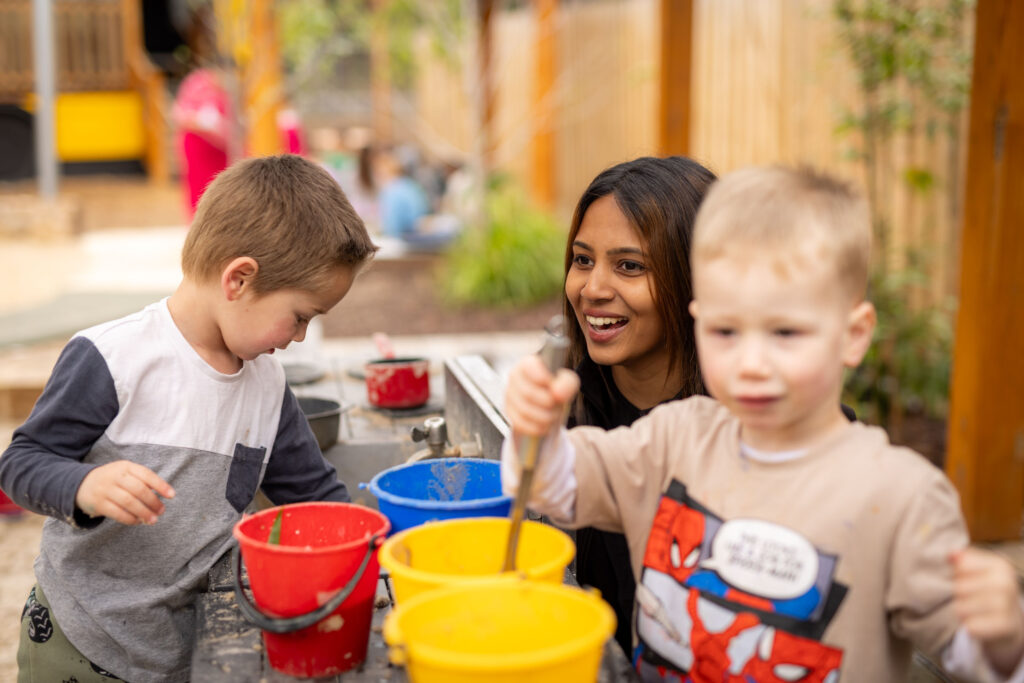
At Aspire Early Education & Kindergarten, sustainability is embedded throughout our educational program rather than taught as a standalone topic. Our educators intentionally create learning experiences that encourage children to respect nature, care for living things and understand the impact of their everyday choices. Children are actively involved in gardening, nature play, recycling, composting, water conservation and creative projects using recycled materials. These meaningful experiences are integrated into daily routines, helping children learn through exploration, discovery and play while developing a genuine sense of environmental responsibility.
Across our centres, Aspire is committed to implementing sustainable practices that support both children's learning and our environmental responsibility. Our sustainability initiatives may include:
These initiatives create authentic opportunities for children to learn while contributing to a healthier, more sustainable future.
Teaching sustainability begins with simple, meaningful everyday experiences. Through gardening, recycling, outdoor exploration and caring for living things, children develop respect for the environment while building valuable life skills that will benefit them for years to come.
At Aspire Early Education & Kindergarten, we're passionate about helping children become confident, capable and environmentally conscious learners. By nurturing curiosity, responsibility and a love of nature, we're supporting the next generation to create a greener, more sustainable future—one small action at a time.
At what age can children learn about sustainability?
Children can begin learning about sustainability from infancy through simple sensory experiences and time spent in nature. Babies develop an early connection with the natural world by exploring natural textures, spending time outdoors and observing plants, animals and changing seasons. As children grow, these experiences naturally evolve into activities such as gardening, recycling and caring for living things, helping them develop environmentally responsible habits from an early age.
How do young children learn about sustainability?
Young children learn best through hands-on, play-based experiences. Rather than formal lessons, sustainability is introduced through everyday activities such as sorting recycling, watering plants, composting food scraps, exploring nature, conserving water and creating artwork from recycled materials. These meaningful experiences help children understand how their actions can positively impact the environment.
What is nature-based learning?
Nature-based learning is an educational approach that encourages children to learn through direct experiences in natural environments. This may include exploring gardens, observing insects, climbing trees, collecting natural materials, engaging in outdoor play and caring for plants. Nature-based learning supports children's curiosity, creativity, confidence and wellbeing while fostering a lifelong appreciation for the natural world.
What role do educators play in teaching sustainability?
Early childhood educators play an important role in modelling sustainable practices and creating meaningful learning opportunities. They encourage children to care for gardens, recycle materials, conserve water and respect living things through everyday routines and play-based experiences. Educators also ask open-ended questions, encourage exploration and help children understand the connection between their actions and the environment.
Can sustainability help prepare children for school?
Yes. Sustainability activities help develop many of the skills children need for a successful transition to school. Gardening, recycling projects and nature investigations encourage problem-solving, critical thinking, communication, teamwork and independence. These experiences also build confidence, responsibility and curiosity, which are valuable foundations for lifelong learning.
What is a sustainable learning environment?
A sustainable learning environment is one that encourages children to care for both their surroundings and the wider environment through everyday practices. This may include recycling systems, vegetable gardens, composting, water conservation, nature-based play spaces and the use of recycled or reusable learning materials. These environments provide children with authentic opportunities to learn about sustainability through daily experiences.
How do sustainability activities encourage responsibility in children?
Sustainability activities give children meaningful responsibilities that contribute to their learning environment. Tasks such as watering plants, feeding a worm farm, sorting recycling or caring for a garden help children understand that their actions matter. These everyday responsibilities build confidence, independence, empathy and a sense of pride while encouraging children to care for their environment and the people around them.
If you liked this article, we also have a range of other resources that provide education and tips for parents. Check out some of them below: