








Promoting Friendships in Kindergarten & Preschool
Posted December 9th 2025

Friendships and positive relationships are such a big part of early childhood. They help little ones discover who they are, how they express their feelings and how they connect with others. These early years are full of big emotions, curious questions and plenty of learning, so having a friend by their side often makes everything feel a bit easier. Friendships help children feel safe, confident and understood which is exactly what they need for healthy emotional development social growth and even learning new skills.
When children make friends in preschool or kinder, they learn how to read social cues navigate different personalities and build trust. These are the building blocks that follow them into primary school and beyond. In this blog I will walk you through why friendships matter, how they naturally develop and simple ways you can support your child or the children in your care.
Friendships in early childhood help children feel safe, confident and included. Even small moments, like sharing a laugh or playing together, can have a big impact on how they see themselves. Knowing they have a friend encourages children to be curious, try new things and feel secure in social situations. These experiences help shape their emotional growth and set the stage for positive interactions later on.
Children develop social skills by spending time with peers. Friendships give them opportunities to practise sharing, taking turns and communicating kindly. These skills take time and guidance to develop, which is why early learning settings are so important. Through play, children explore ideas, solve simple problems and learn how to work with others. This lays the foundation for strong communication and cooperation skills.
Children who feel socially secure are often more focused and engaged in learning. Friendships provide a sense of comfort, making it easier to join group activities, follow routines and concentrate on tasks. When children feel supported by peers, they are more likely to raise their hand, ask questions, share ideas and participate actively in lessons or play-based learning. Even one strong connection can help children feel settled, increasing their ability to participate fully in preschool or kindergarten activities.
Empathy is all about understanding how someone else is feeling and helping children notice and respond to each other. It can be as simple as seeing a friend look sad or offering a toy when someone is upset. Carers and teachers can support this by naming feelings and showing gentle ways to respond. The more empathy children learn the richer and closer their friendships become.
Little people have big feelings. Learning how to manage frustration, excitement or disappointment is a key part of building friendships. Emotional regulation helps kids stay calm and engaged which can stop a lot of playground squabbles before they even start. Early learning environments give children plenty of chances to practise these skills in play and everyday routines. With guidance they start recognising their feelings and choosing ways to respond that keep the fun and friendships going.
Even the best of friends argue sometimes. Learning how to work through disagreements builds resilience and trust. Conflict resolution can be as simple as using words instead of hands, asking for help or listening to each other. Over time children start figuring out how to solve problems together which makes their friendships stronger and their confidence bigger.
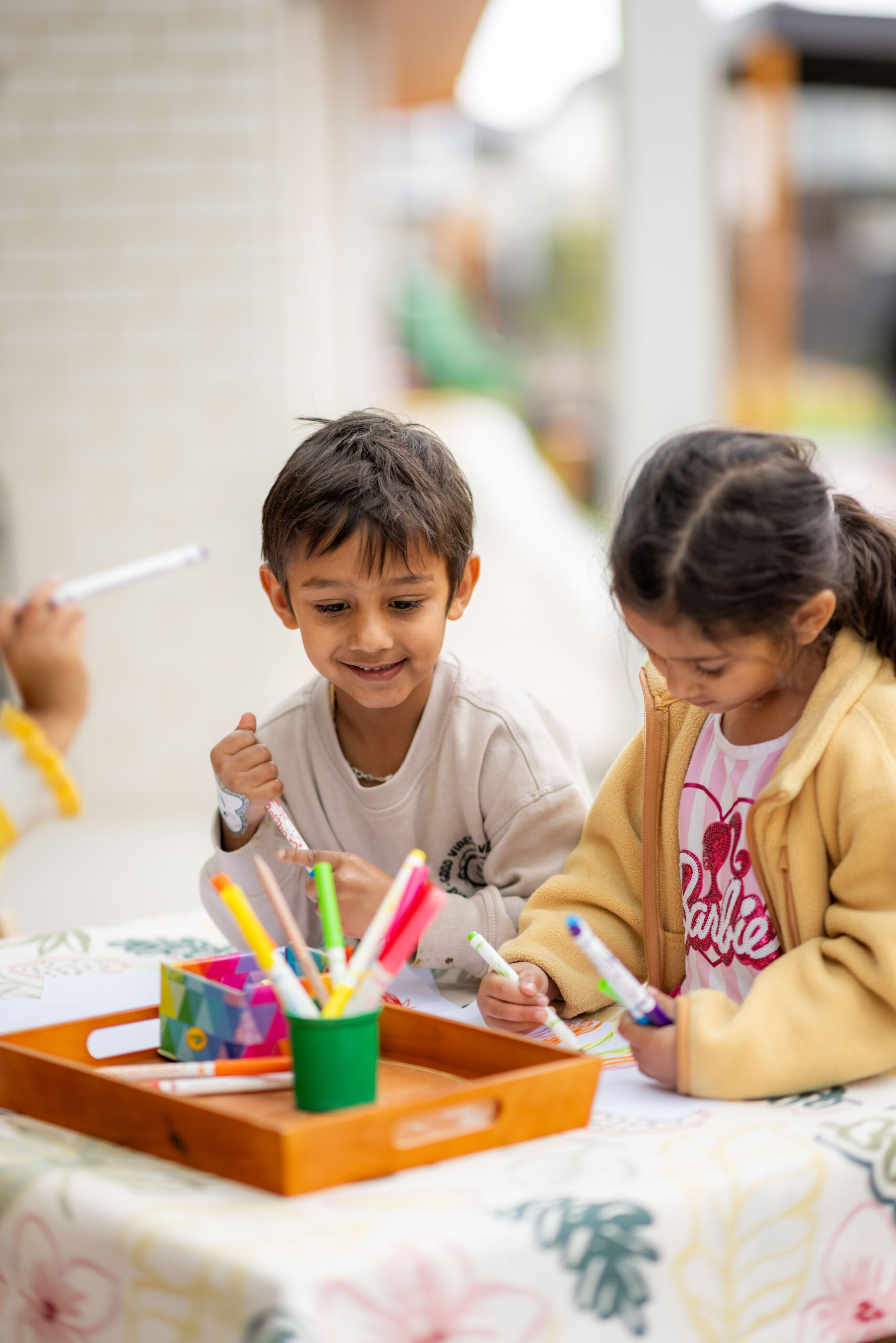
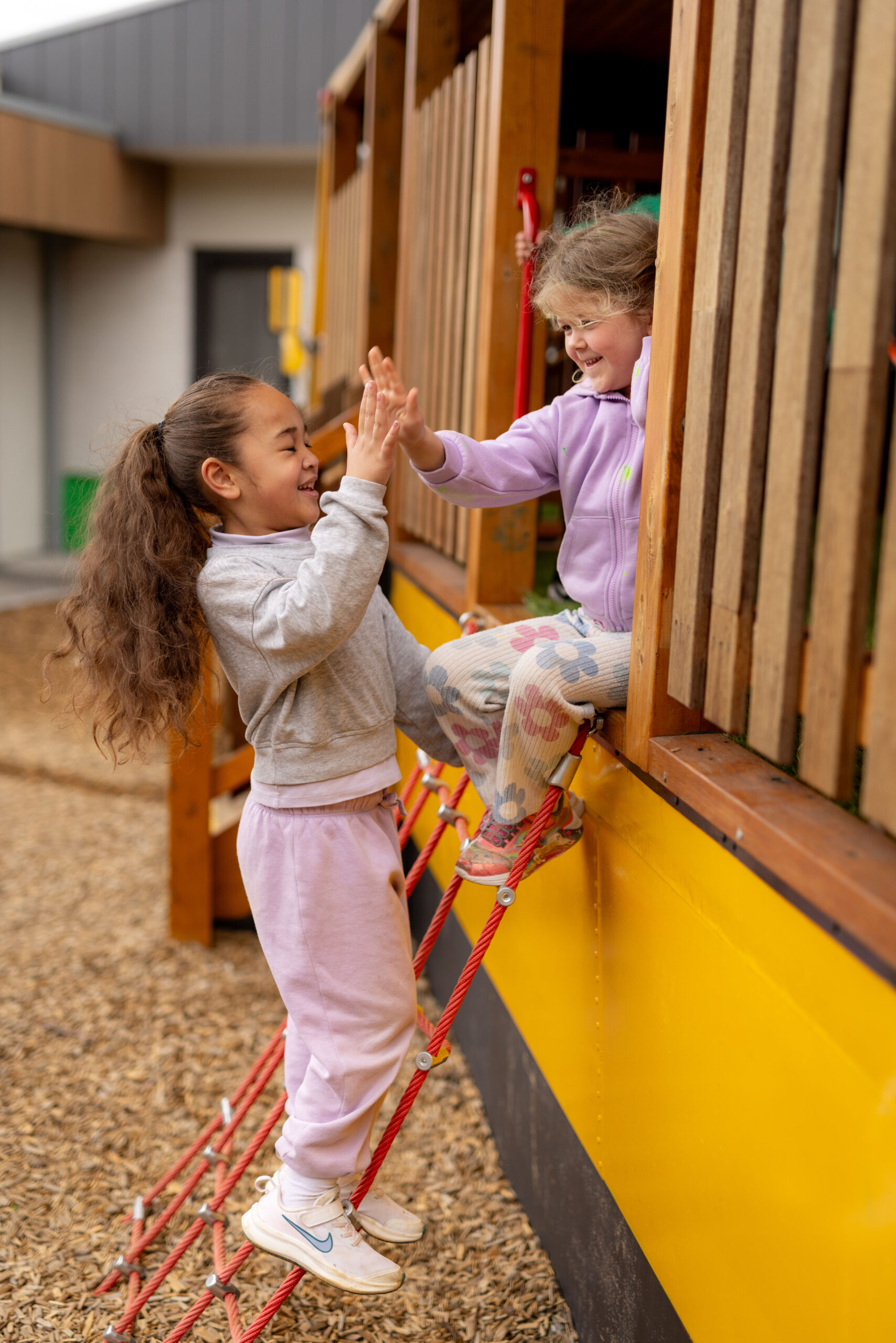
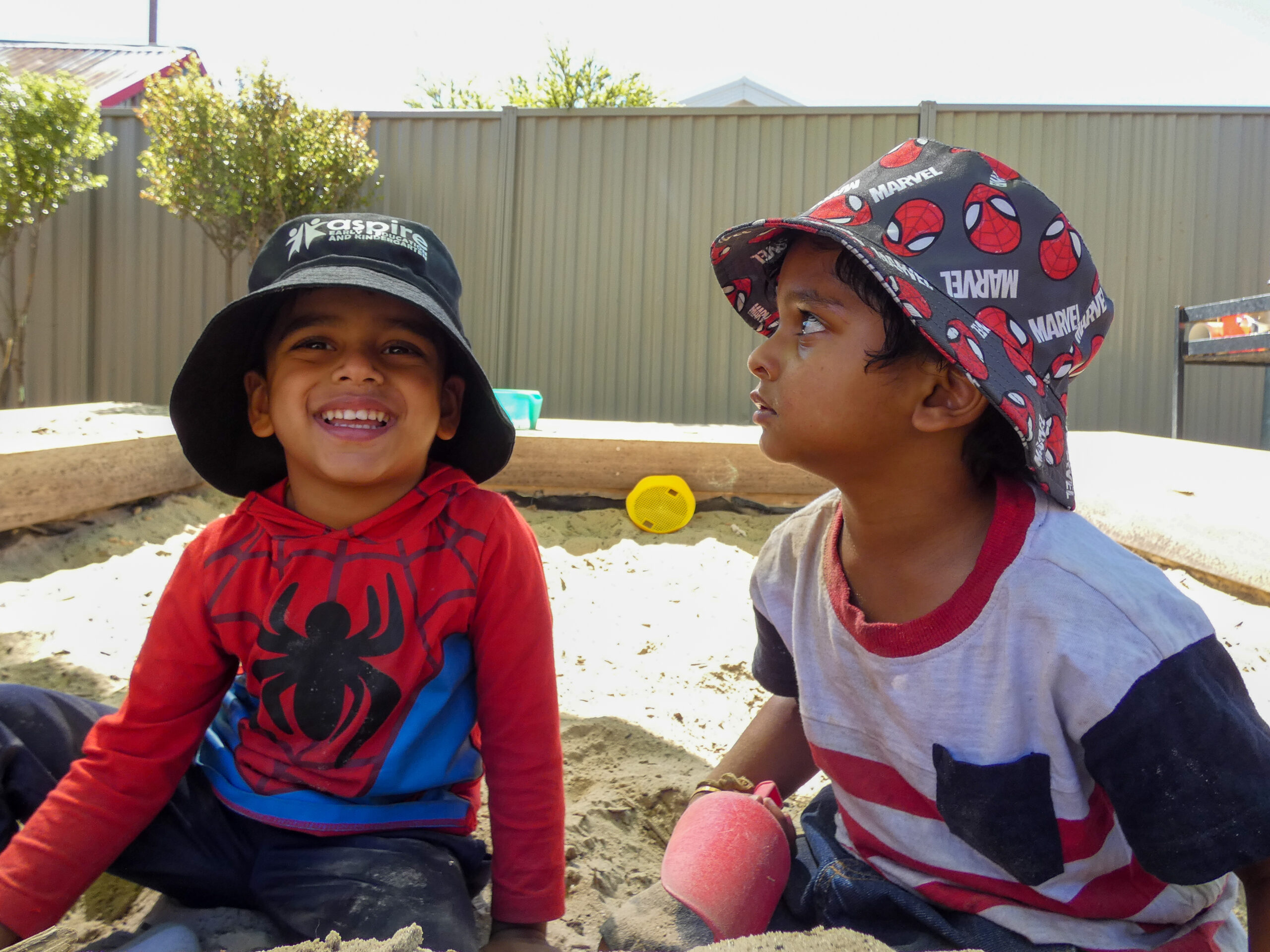
A warm, welcoming environment helps children feel safe and ready to connect with others. Simple things like greeting each child by name, having cozy play spaces, and clearly defined routines make a big difference. When children feel included from the moment they arrive, they are more likely to join activities, try new things, and approach other children to play. Feeling comfortable gives them the confidence to reach out and start friendships naturally.
Encouraging kind behaviour helps children understand how friendships work. Praising actions like sharing a toy, inviting a friend to join, or helping someone tidy up shows children what positive social interaction looks like. Guided play gives children a safe space to practise these skills with gentle support from teachers or carers. For example, a child who is shy may be encouraged to join a small group game with guidance, helping them feel included and confident.
Activities that require teamwork help children practise cooperation and communication. Group games, building challenges, or simple problem-solving tasks allow children to work together and celebrate small successes. Through these shared experiences, children learn how to negotiate, take turns, and respect each other’s ideas. Teamwork activities give children the chance to bond and strengthen their friendships while practising essential life skills.
Children learn a lot by watching adults. Teachers and parents who model kindness, patience, and respectful communication show children how to interact with peers. Saying please and thank you, taking turns, and apologising when needed are small but powerful examples. When children see these behaviours regularly, they start to copy them, helping friendships grow in a positive and natural way.
Some children find it harder to connect with others and may need extra support. Hesitation to join group play, difficulty sharing, or feeling overwhelmed by strong personalities are common signs. Recognising these struggles early allows carers to offer gentle guidance. This might mean helping a child join a game, practising simple phrases to use with peers, or providing a calm space to regroup. Small support at the right time helps children develop confidence in social situations.
Spending time with children of different personalities, interests and backgrounds broadens a child’s social world. It teaches them flexibility, understanding, and acceptance. Encouraging children to mix with different groups during play helps them learn to adapt and form connections beyond their usual circle. This diversity helps friendships grow in a meaningful and long-lasting way.
While diversity is important, children often connect most easily through shared interests. Observing what children enjoy and gently pairing them with peers who like similar activities can spark a friendship. Whether it’s building with blocks, painting, or exploring the outdoors, shared activities give children a natural reason to play together. Matching personalities or interests provides a comfortable space for friendships to form and flourish.
Matching games are a simple way to help children connect. Activities like finding a buddy with the same colour card or matching animals give children a clear reason to approach others. These games are especially helpful for shy children because they provide structure and make joining in less intimidating. They also help children practise taking turns, noticing others, and starting conversations naturally.
Matching games are a simple way to help children connect. Activities like finding a buddy with the same colour card or matching animals give children a clear reason to approach others. These games are especially helpful for shy children because they provide structure and make joining in less intimidating. They also help children practise taking turns, noticing others, and starting conversations naturally.
Craft activities like making friendship bracelets are a fun way for children to show they care. Children practise patience, fine motor skills, and creativity while creating something meaningful. Exchanging bracelets is a tangible way for them to experience giving and receiving kindness, which deepens connections.
Craft activities like making friendship bracelets are a fun way for children to show they care. Children practise patience, fine motor skills, and creativity while creating something meaningful. Exchanging bracelets is a tangible way for them to experience giving and receiving kindness, which deepens connections.
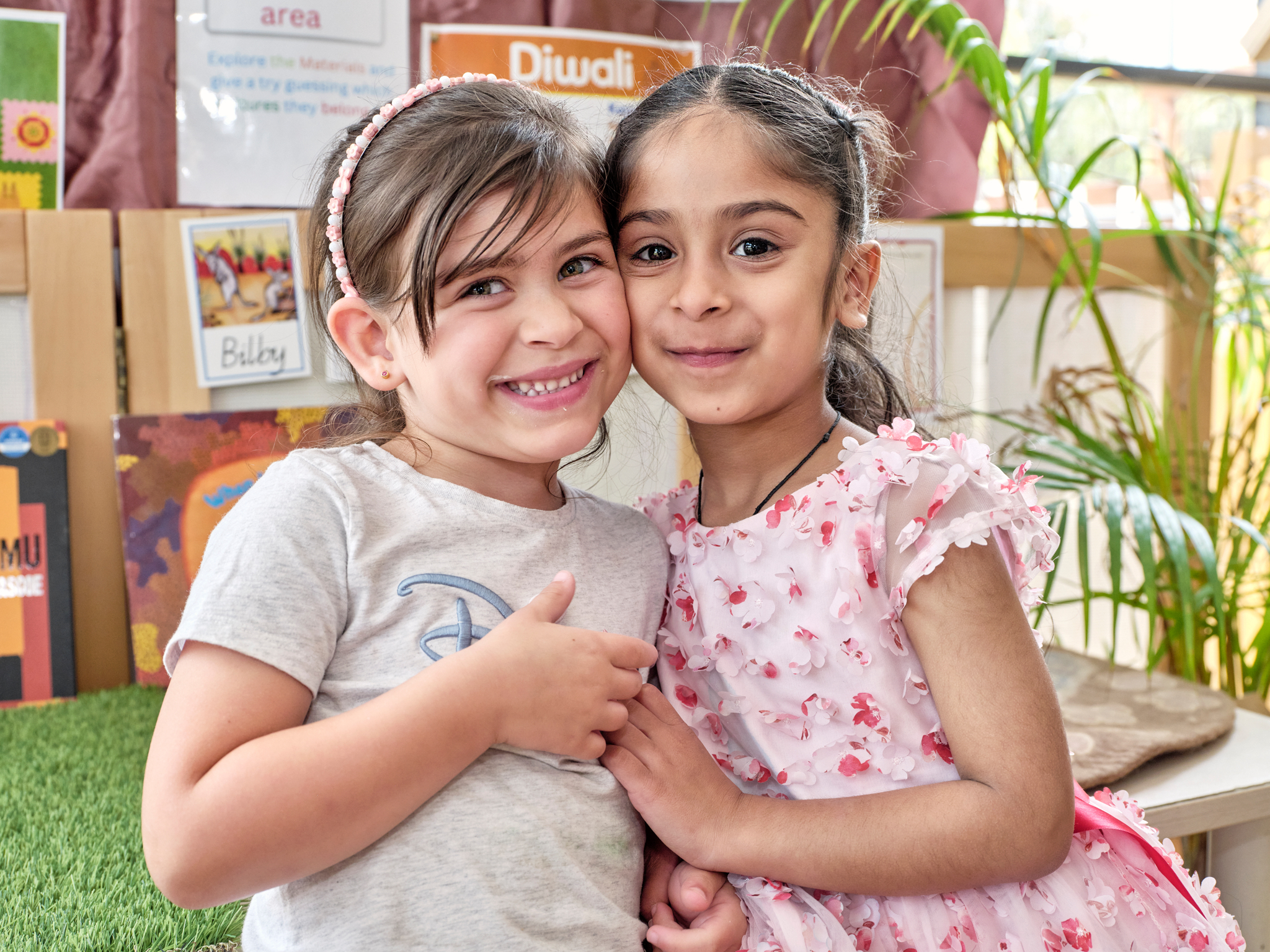
Sharing can be tricky for young children, especially with favourite toys. Gentle reminders and modelling positive behaviour help children understand what sharing looks like. Practising turn-taking in games and activities reinforces these skills and teaches children that taking turns can be fun and fair.
It is normal for children to sometimes feel left out when others form small groups. Acknowledging these feelings and helping children find ways to join in can ease disappointment. Teachers and parents can encourage inclusive play by suggesting roles for everyone or organising activities where all children can participate.
Arguments are part of any friendship. Teaching children to use words, listen to each other, and find simple solutions helps them develop problem-solving skills. Over time children learn to manage disagreements in ways that strengthen their confidence and friendships.
Some children naturally take the lead while others are quieter. These differences can cause tension. Helping children understand each other’s styles and encouraging compromise creates balance. Children learn to respect others and adapt, which supports healthy friendships.
Some children need extra encouragement before they feel ready to join in. Low-pressure activities, gentle guidance, and celebrating small social steps can build confidence. With support, even the quietest children can make friends and enjoy group play.
Children are still learning about boundaries and personal space. Setting clear expectations and modelling gentle behaviour helps them understand what is comfortable for others. Respecting personal space is an important skill that keeps friendships safe and positive.
At Aspire we know how important friendships are for young children. Our educators create welcoming environments where children feel safe and included from the moment they arrive. We use guided play and everyday activities to help children practise sharing, cooperation, communication and problem-solving. We notice when children need extra support and provide gentle guidance to help them join in confidently. Families are part of this journey too because we believe strong partnerships between educators and parents give children the best chance to build lasting friendships and feel happy, secure and connected.
Children make friends when they feel safe confident and invited into play. You can support this by giving your child plenty of chances to practise social skills in relaxed settings such as playdates playground visits or small group activities. Talk about what being a good friend looks like using simple examples like “listening when someone talks” or “asking if they want to join your game.” If they’re starting in a new preschool or kindergarten take time to chat about what the day might look like so they feel prepared.
Friendships outside of childcare often grow through repeated casual contact. Spend time at local parks libraries or community events where your child will see the same kids regularly. If they click with someone suggest a short playdate at home or at a playground so they can continue their connection in a quieter space. Activities like swimming lessons dancing or sports can also help children find friends with similar interests. The key is consistency and gentle encouragement rather than trying to force friendships quickly.
It can feel worrying but it is more common than many parents realise. Some children prefer to observe before joining in or they may simply not have met “their people” yet. Start by watching how they interact in small groups. Are they shy overwhelmed or unsure how to enter play? A quick chat with their educator can also give you helpful insight into how they behave during the day. Focus on building their confidence through predictable routines and small social experiences. Sometimes one gentle buddy is all a child needs to feel included.
Signs can include avoiding group play becoming upset during social situations or saying things like “no one wants to play with me.” You might also notice clinginess at drop off or frustration when games become too hard to manage. None of these signs mean anything is wrong they just show your child might need a bit more guidance. Ask your child’s educator how they are going during the day as they often see patterns and can support social play gently and consistently.
Sharing and cooperation take time and lots of practice especially in the early years. You can start at home by modelling turn taking through simple activities like rolling a ball back and forth or taking turns choosing a song. Set up small cooperative tasks such as building a tower together or working on a puzzle as a team. When your child shares or waits patiently acknowledge it straight away so they connect the behaviour to something positive. Most importantly keep expectations age appropriate. Young children are still learning how to manage big feelings and sharing won’t always come easily
Keep the conversation open and relaxed. Educators observe children closely and can give a clearer picture of who your child plays with how they enter play and whether they need extra support. You might say something like “I’ve noticed my child seems unsure about making friends. How do they go during the day?” This opens the door for a natural conversation. Educators can also suggest strategies to use at home so your child gets the same message in both environments. A warm, welcoming environment helps children feel safe and ready to connect with others. Simple things like greeting each child by name, having cozy play spaces, and clearly defined routines make a big difference. When children feel included from the moment they arrive, they are more likely to join activities, try new things, and approach other children to play. Feeling comfortable gives them the confidence to reach out and start friendships naturally.
Educators often support shy children by introducing them to one confident child first rather than a full group. They may set up small activities that feel safe such as reading a book together or starting a simple game. Some children join in more easily when they have a role to play such as being the “helper” or choosing a game. Educators also use gentle language to model how to approach others so children slowly gain confidence in their own social abilities.
It varies widely. Some children walk in on day one and find a buddy straight away while others might take a few weeks to settle into the rhythm of a new place. Usually by the end of the first month educators start to see patterns such as preferred playmates or shared interests. What matters most is that your child feels safe and supported. Once they feel comfortable friendships tend to grow naturally.
Healthy friendships often look like laughter shared play and a general sense of comfort around each other. Children may seek out the same friend each morning share toys willingly or show concern when their friend feels upset. You’ll also notice small moments of negotiation such as agreeing on roles during pretend play. These early signs show that children are learning trust empathy and cooperation which help friendships grow stronger.
Start by staying calm and helping your child name their feelings. Young children often need help understanding what happened before they can work through it. Talk through the situation together using simple language like “You both wanted the same toy.” Encourage them to use phrases such as “Can I have a turn after you?” or “Let’s try again.” Remind them that disagreements are normal and part of learning how to be a friend. With steady support children learn how to repair friendships instead of walking away from them.
Not necessarily. Some children genuinely enjoy solo play and recharge better when they have their own space. Independent play also builds creativity and problem solving. What matters is whether your child is content or distressed. If they seem happy playing on their own and join in occasionally there is usually nothing to worry about. If you’re unsure chat with their educator as they see how your child interacts across different parts of the day.
Early childhood centres give children a warm, supportive environment to build the social and emotional skills they’ll use at school. Friendships add an extra layer of support by offering a sense of belonging and someone familiar to share new experiences with.
These early connections can make the move to primary school feel less overwhelming. Even having just one trusted friend can help children feel more confident, settle into new routines more easily, and approach their new classroom with curiosity rather than worry.
Talk about kindness at home through simple stories or examples from everyday life. Encourage your child to look for children who might be standing on the edge during play and show them how to invite others in with a friendly question or a spare toy. When you notice inclusive behaviour praise it specifically such as “I loved how you asked Mia to join your game.” Children learn from what they see so modelling inclusive habits yourself also makes a big difference.
Start by listening to how they feel and reassure them that it’s okay to be upset. Explain gently that friendships can be tricky and that sometimes children just want to play different games. Share ideas for what they can do next time such as asking another group to join in finding a new activity or talking to an educator if they feel stuck. These moments can build resilience and help your child understand that being left out doesn’t define their worth or their ability to make friends.
If you liked this article, we also have a range of other resources that provide education and tips for parents. Check out some of them below: