








Tips to Prepare Your Child for Kindergarten
Posted January 24th 2024
Starting Kindergarten is an exciting step for your child and your family, but it can also be a challenging process as well. It can mean a whole new class, a different curriculum and more time spent away from family.
However, enrolling in a Kindergarten program can greatly benefit a child’s learning and development, and help them support their transition into primary school.
So how can you best prepare your child for starting Kindergarten at Aspire?
In Australia, kindergarten (also known as "kinder" and preschool in some states) is a fun, play-based learning program for children in the year or two before they start formal schooling. It’s designed to help little ones build important skills like communication, social interaction, and independence through engaging activities and guided play. While kindergarten isn’t compulsory across all states, it’s highly recommended because it helps children feel confident and ready for their first year of school.
In Victoria, for example, children are eligible for funded kindergarten programs in the two years before primary school—three-year-old kindgerten and four-year-old kindergarten. Though attendance is not compulsory, attendance can greatly benefit a child's early development and readiness for school.
Children usually attend kindergarten either as a sessional program, which typically runs for a few hours a day, two to three days a week, or as a long daycare program that offers full-day care, including kindergarten learning. Sessional kindergarten focuses on play-based learning during set hours, while long daycare combines early education with extended childcare, making it easier for working families. The transition to sessional kindergarten often involves getting used to shorter, structured sessions and a new routine, whereas moving from long daycare to kindergarten can feel more gradual since children are already familiar with spending longer hours in a care setting. Both options support the transition to school, tailored to your family’s needs.
Starting kindergarten is an exciting milestone, but it can also feel a little overwhelming for both children and parents. To make the transition smoother, it helps to visit the kindergarten together beforehand, talk about what to expect, and establish familiar routines. Encouraging your child to express their feelings and asking questions can build their confidence and ease any worries. Remember, every child adjusts at their own pace, and with your support, they’ll soon feel right at home.
If your child is moving from a childcare setting to kindergarten, they’ve already had a great introduction to group learning and socialising. Kindergarten often feels similar but with a greater focus on play-based learning and preparing for school. To support this transition, keep communication open with both childcare and kindergarten educators. Sharing what your child enjoys and how they learn best can help teachers provide a smooth, tailored experience that builds on what they already know.
For families moving from playgroup to kindergarten, the change can be a big step. Playgroups are usually informal and parent-led, while kindergarten offers a more structured learning environment with qualified educators. Helping your child get used to a regular routine, practising independence skills like packing their bag, and encouraging social skills can make the switch easier. Visiting the kindergarten before starting and chatting about the fun activities they’ll do can also help your child feel excited about this new adventure.
For children who have been cared for primarily at home by parents or family members, starting kindergarten is a big step into a new world of socialising and learning. This transition means getting used to spending time with other children, following routines, and engaging in group activities led by educators. To help your child feel comfortable, it’s helpful to talk about what kindergarten will be like, visit the centre beforehand, and gradually introduce social experiences, such as playdates or community groups. With your encouragement and the support of kind educators, your child will soon enjoy their new environment and thrive in their early learning journey.
Setting a regular morning and evening routine will help your child feel more prepared for their first day of Kindergarten. Routines help children learn and develop, and they are less prone to find changes stressful.
Firstly, set a consistent bedtime to help your child get a good night’s sleep, and allow them to wind down and relax before they go to bed. At this age, children need 10 to 12 hours of sleep each night, so it’s important to stick to a regular bedtime routine. In the morning, leave plenty of time to get dressed, eat breakfast, and help them pack their bag for the day. Setting a routine of getting ready and having consistent mealtimes throughout the day will mean they are on a similar schedule to what they will follow at Kindergarten.
Start this 3 or 4 weeks before they begin Kindergarten, so they are familiar with this routine, and you can adjust the time to get ready if needed.
Starting Kindergarten can be a big change for your child, whether they are completely new to the centre or transitioning into a new room. When you enrol in a Kindergarten program like our program at Aspire, you will need to complete orientations before your child starts. These orientations are an important step to help your child familarise themselves with the centre and their surroundings and begin building relationships with the management team and educators.
It is also an opportunity to find out exactly what they will need for the first day, such as lunchboxes, drink containers or a change of clothes. It is crucial as a parent to read over any information you are provided to ensure you are prepared for your child’s first day.
If your child is already enrolled at the centre and transitioning into a Kindergarten room, it’s just as important to support your child with these transitions and follow the advice of the room leaders when your child is going through this change. Communicate with your child so they feel more at ease with this change, and ensure you have all the necessary things to set them up for success.
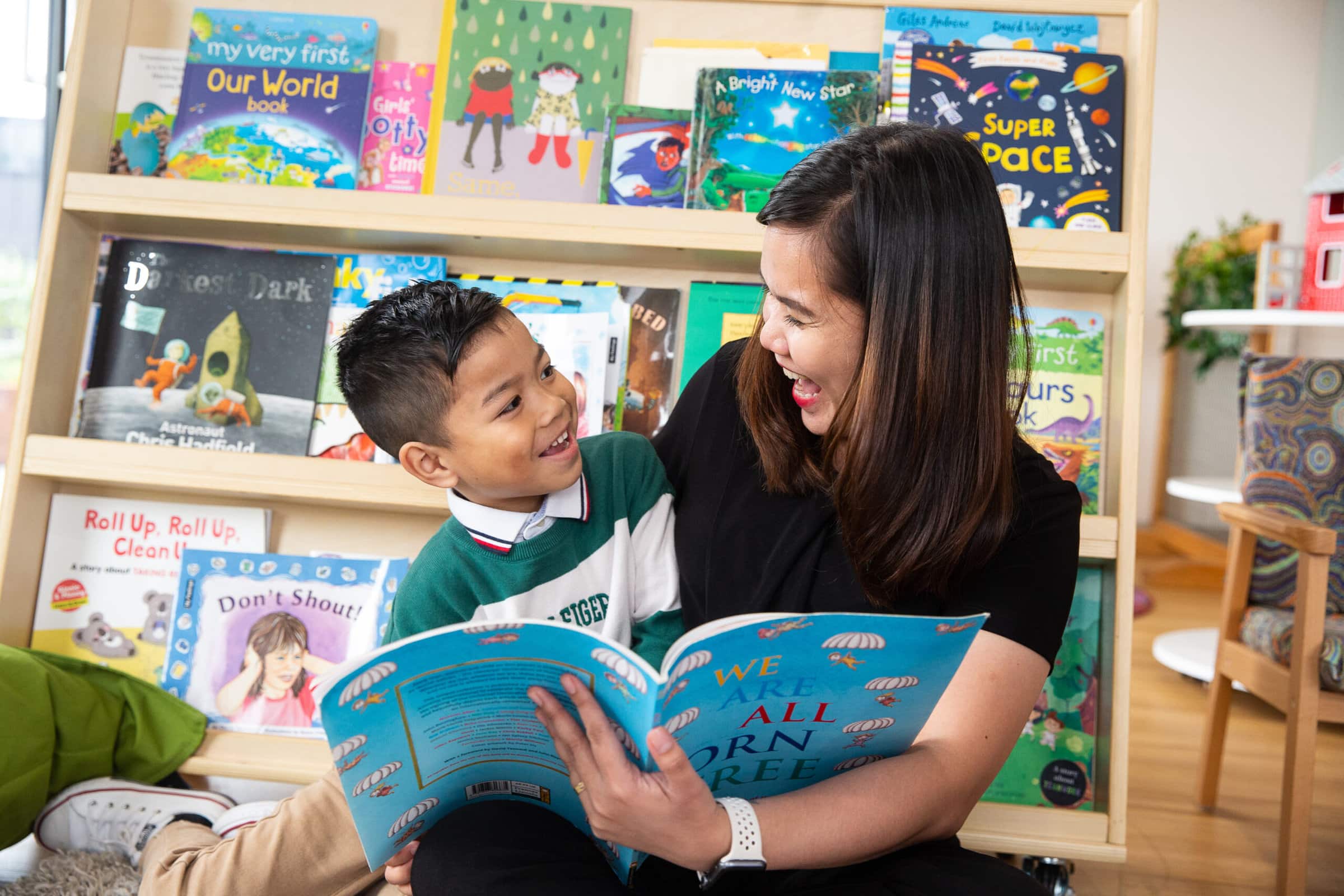
If you haven’t already, get in the habit of encouraging reading with your child. Read aloud to them and get them to read back to you, even if they’re just interpreting some of the pictures in the book. A trip to the local library to borrow books can also be a fun family outing and allows them to pick from a big selection of books, without having to buy something new all the time.
Practicing their writing and letter recognition is also beneficial in helping them prepare for Kindergarten. Have your child practice writing their name and things they like such as their favourite colour, animal, or food. Their writing doesn’t need to be perfect, but regular practice will help them feel more confident with their learning before they transition into Kindergarten.
Children who can care for themselves and their things will feel more confident at Kindergarten, and there are many simple ways you can support their independence as a parent. Encourage your child to practice personal hygiene by using the bathroom on their own and washing their hands. Have them to practice dressing themselves and putting on their jacket, socks, and shoes, as well as packing and unpacking their own backpack.
These things will support them in being classroom ready and help them identify their own belongings at Kindergarten as well.
And lastly, it’s important as a parent to be positive and get your child excited about starting Kindergarten. Talk to your child about what they will do at Kindergarten, things they will learn and the friends they will make. If you’re attending a new Kindergarten centre for the first time, then even drive past it on your route home to build your child’s familiarity with their new environment.
Positive encouragement will greatly help your child to feel more settled and excited about their first day at Kindergarten.
At Aspire, we are passionate about supporting your child in their transition to Kindergarten through positive learning experiences and activities.
If you liked this, we also have a range of other resources that provide practical tips and strategies for parents. Check out some of them below: