










Essential Skills Every Early Childhood Educator Needs to Succeed
Posted October 28th 2025
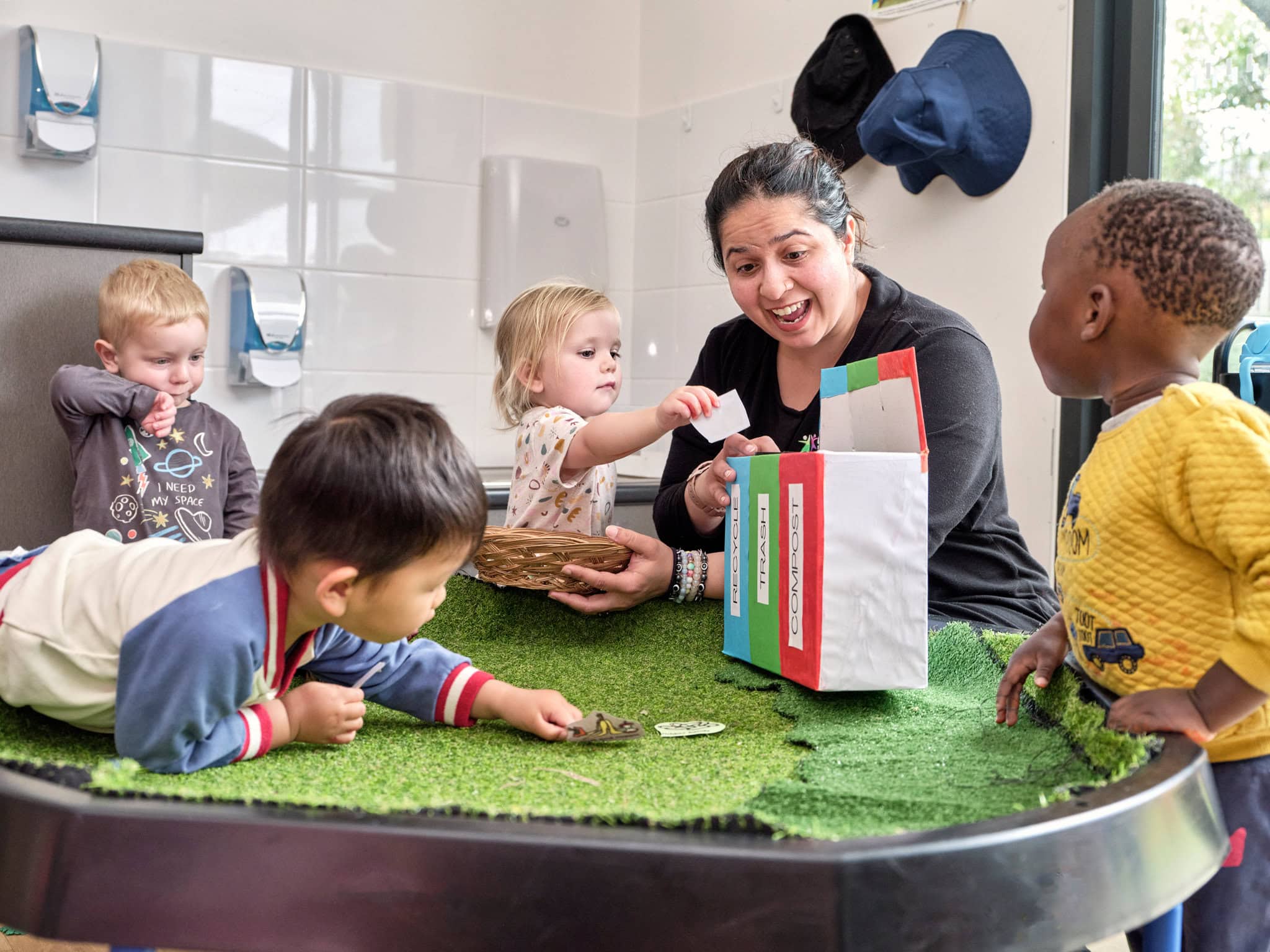
Being an early childhood educator is one of the most rewarding jobs there is, but it also comes with a unique set of skills. From understanding how children learn and develop to building strong relationships with families and creating safe, inclusive spaces, educators truly do it all! In this article, we’ll explore the key hard and soft skills that help educators thrive, make a difference every day, and continue to grow in their careers.
Working in early education is so much more than caring for children, it’s about shaping the way they see the world. Every story read, song sung and hug shared helps them grow into confident, curious little people.
Educators play such an important role in helping children develop emotionally, socially and cognitively. The skills they bring to their work influence how children learn, how safe they feel, and how they start building relationships with others. Let’s explore why these skills matter and how they contribute to the quality of early learning.
Children thrive when they are surrounded by educators who understand how they learn best. Knowing the stages of child development helps educators design activities that are age-appropriate, engaging and meaningful.
A skilled educator recognises when a child is ready to move to the next stage or need some more attention. Whether it’s learning to share, count or express emotions, a professional childhood educator can gently guide them along the way.
Knowing when a child might need a little extra help or when to celebrate a new skill, attentive, informed teaching helps children build confidence and a lifelong love for learning.
Trust is the heart of early education. Families want to feel their child is truly seen and cared for. Open communication, sharing updates, and celebrating milestones together helps build that trust.
When educators and families work as a team, children benefit from consistent care and a strong sense of belonging. Educators also help connect families to the community, from centre events to local initiatives that bring people together.
High-quality early education doesn’t happen by chance. It’s driven by educators who are committed to continuous improvement, self-reflection and best practice. Skills in planning, observing and documentation support quality standards under the National Quality Framework (NQF).
By setting clear learning goals, reviewing programs, and adapting based on feedback, educators ensure that every child receives meaningful, individualised support. Quality is not about doing everything perfectly, it’s about genuine commitment to growth and excellence and always aiming to give children the best possible start.
Keeping children safe - physically and emotionally - is at the heart of everything we do,
safety is non-negotiable. Every educator must understand their responsibilities under the National Law and Regulations, as well as Aspire’s own Child Safe Standards. From risk assessments and first aid to creating emotionally safe spaces, these skills protect children’s wellbeing.
A safe learning environment builds trust and allows children to explore freely, knowing they are cared for and protected.
Understanding how children grow - physically, socially and emotionally - is the core of early education. Educators need to recognise developmental milestones and know when extra support might be needed.
This knowledge helps educators plan experiences that build fine and gross motor skills, encourage language development, and nurture curiosity. It’s also essential for spotting when something might not be progressing as expected, so the right support can be offered early.
Great programs don’t just happen but are planned with lots of care and creativity. Our Curriculum Specialists design programs that reflect children’s interests, cultural backgrounds and developmental stages, while aligning with frameworks such as the Early Years Learning Framework (EYLF).
At Aspire, we love seeing educators bring their own flair and creativity to programs, whether it’s through nature play, cultural storytelling or science experiments. Reflection keeps programs fresh and responsive to children’s changing needs.
Observation is one of an educator’s most powerful tools. Watching, listening and recording children’s interactions provides insight into their learning and emotional needs.
Accurate assessment and documentation help track progress and understand the child’s journey. Sharing these insights with families builds trust and allows educators to celebrate achievements and set future goals together.
Every day in early education is dynamic and full of movement, which makes strong safety skills essential. Educators must be trained in first aid, anaphylaxis and emergency procedures.
Beyond physical safety, this skill extends to emotional wellbeing, understanding how to support children who may be anxious, upset or struggling with transitions. Risk management is about being prepared, confident and calm in every situation.
Every child deserves to feel welcome and supported. Educators play a key role in adapting programs for children with additional needs, celebrating different cultures, and modelling respect for everyone.
Aspire is proud to embrace diversity. With professional learning, education strategies and collaboration with specialists, our educators can ensure that all children, regardless of ability, needs or background, can participate fully in Aspire’s program.
Technology can enhance learning when used thoughtfully. From documenting progress in Storypark to sharing newsletters with families, digital tools keep communication open and transparent.
Educators also use technology to access professional resources, and research activities. The key is balance, using technology to support relationships, not replace them.
At all Aspire centres, we have a No Phone Zone policy to ensure the safety and wellbeing of every child. This means that personal mobile phones, smartwatches, and tablets are not to be used in our learning rooms. The rule applies to everyone (educators, parents, professionals or guests) visiting our centres.
Each centre is equipped with dedicated iPads and iPhones for educators to use when taking photos or documenting children’s learning experiences. This ensures that all moments are captured safely and securely. If someone needs to use their personal device, we kindly ask them to step outside the learning spaces or use the foyer area instead.
Clear, caring communication builds strong relationships with children, families and colleagues. It’s about explaining things in a way children understand and taking the time to really listen. Whether it’s explaining a new activity, comforting a child, or updating families, educators need to express themselves with empathy and understanding
Active listening shows respect and helps children feel heard, which boosts their confidence and sense of belonging. It also makes families and colleagues being heard and valued.
Working with young children can be unpredictable and joyful, but sometimes challenging. Patience allows educators to remain calm and supportive, even on busy and chaotic days.
Empathy helps educators see situations from a child’s or parent’s perspective, while emotional intelligence allows them to manage their own feelings and respond sensitively to others. Together, these qualities build a nurturing, positive and understanding environment for everyone!
No two days in early education are ever the same! Every day brings something new. Being flexible means embracing changes, adjusting plans and finding creative ways to make learning happen, even when things don’t go to plan.
It’s a skill that keeps educators open-minded and ready to see challenges as opportunities.
Problem solving shows up everywhere; from helping children share toys to organising last-minute activities on a rainy day.
Educators who can think on their feet, stay calm and find solutions help keep the day running smoothly and model resilience for children too.
Problem-solving also applies to daily centre operations, from scheduling to managing resources. A proactive, solutions-focused and positive mindset keeps everything running smoothly.
Educators work closely with colleagues, families, and community partners to create the best outcomes for children.
Strong teamwork fosters consistency and shared purpose. Leadership doesn’t always mean being in charge, it can mean mentoring a new colleague, sharing ideas or modelling best practice. Aspire encourages educators to grow as leaders at every stage of their career.
Real learning happens through experience. Every interaction, observation, and reflection offers a chance to grow. Keeping reflective journals or sharing experiences in team meetings helps educators identify strengths and areas to improve.
Reflective practice encourages continuous growth and strengthens the connection between theory and everyday work.
The early education sector is always evolving. Professional development keeps educators up to date with new frameworks, teaching methods and research.
Aspire supports ongoing learning through internal training, workshops and access to professional networks. Investing in these opportunities ensures educators remain confident, capable and inspired.
Having a mentor can make all the difference. Learning from experienced educators helps new team members build confidence and refine their practice.
At Aspire, mentoring and peer support are built into our culture, because everyone has something to learn and something to share.
Feedback is one of the most valuable growth tools. Whether it’s from a supervisor, a parent, or even a child, it helps educators see their impact and make improvements.
Listening to feedback with openness and curiosity fosters personal and professional growth and strengthens relationships across the learning community.
At Aspire, we know that nurturing children starts with nurturing educators. That’s why we’re passionate about supporting professional growth at every stage.
From structured onboarding and regular training to leadership development and mentoring, we make sure every team member has the tools and confidence to succeed. When educators feel supported, they can give their best and children thrive as a result.
Being an early childhood educator is a little bit like being a superhero
Being an early childhood educator is an incredibly rewarding job. The skills you build, both technical and personal, shape how children grow, learn and see themselves.
Whether it’s planning engaging experiences, supporting families, or guiding children through their first big milestones or discoveries, these skills form the foundation of quality care. And with the right support, every educator can continue to grow, learn, and thrive.
Reflect regularly on your daily practice, ask for feedback and set achievable goals for improvement.
Yes. Child safety, inclusion and communication are highly valued under the National Quality Framework.
It’s an ongoing process! Many skills deepen over time through hands-on experience and professional reflection.
Absolutely. While some come naturally, many can be developed through mentoring, self-awareness and practice.
Employers like Aspire play a key role by offering professional development, mentoring and supportive workplace culture.
Share real examples! Talk about a time you solved a problem, adapted your approach or built strong family partnerships.
No one starts with every skill. Focus on your strengths and show your willingness to learn, that’s what matters too.
Include both hard and soft skills, such as curriculum planning, communication, teamwork and inclusion.
Hard skills are technical and measurable (like planning or first aid), while soft skills are interpersonal (like patience and empathy).
Seek feedback, celebrate small wins and every day is an opportunity to grow.
Cultural competence, digital and technology skills, and emotional and social wellbeing are essential focus areas, preparing children for a diverse, technology-driven future while supporting their holistic development.
If you liked this article, we also have a range of other resources that provide education and tips for parents. Check out some of them below:



