








Mindful Eating for Kids: Cultivating Healthy Habits
Posted October 13th 2025
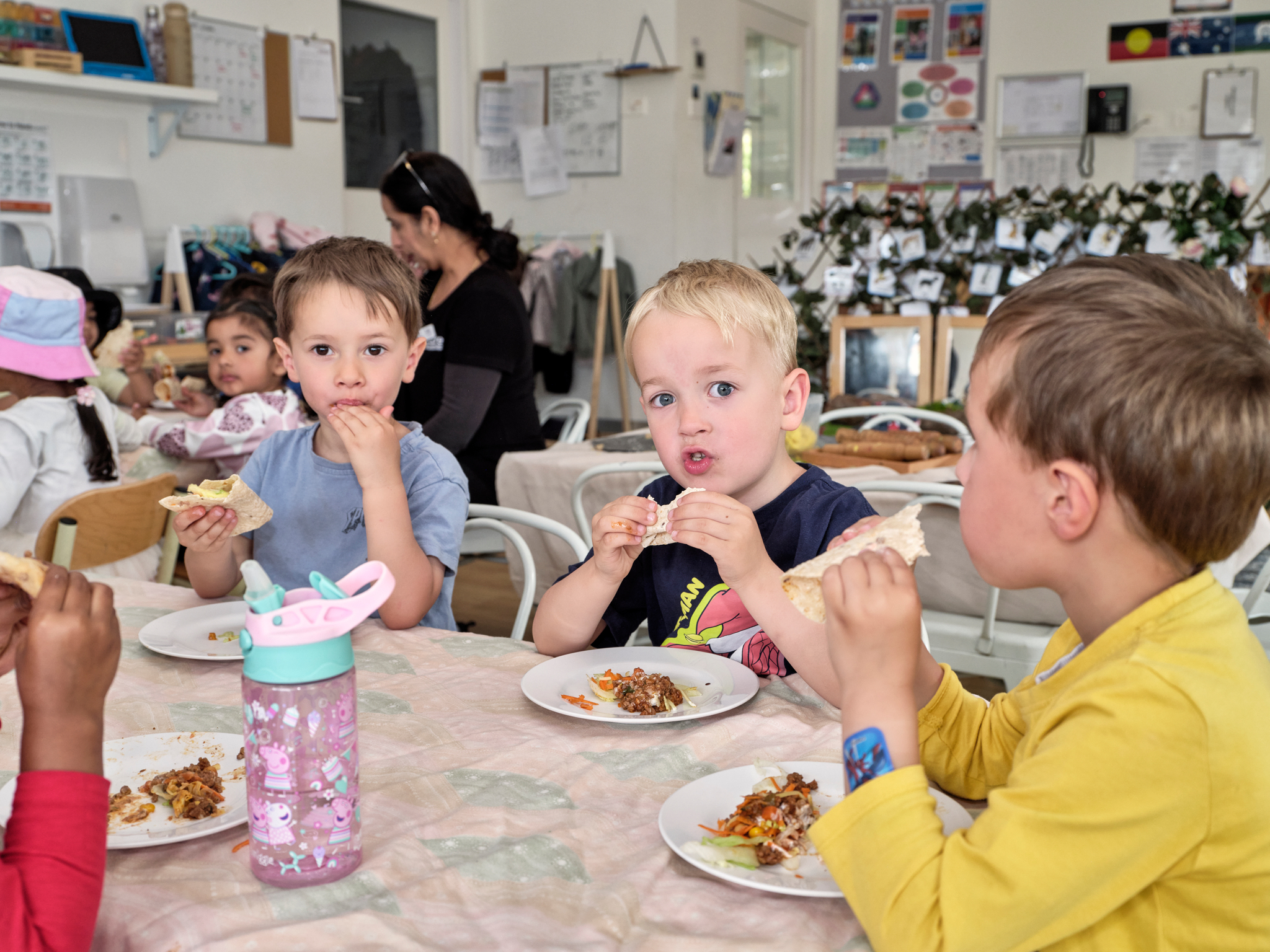
Mindful eating is all about paying attention to what we’re eating, including the way food looks, tastes, smells and feels. For children, it is all about helping them to slow down when they eat, listening to when their hungry and full, and to really enjoy their food at mealtimes.
Through mindful eating, children learn to develop a healthy relationship with food, appreciate what they eat, make thoughtful food choices and build lifelong positive eating habits.
Mindful eating teaches kids to recognise when they’re hungry or full, helping them trust their bodies and eat according to these cues. Children are born with natural signals for hunger and fullness, but these cues can become less clear when eating is rushed or when children are distracted by external factors. That’s why when they more pay attention to what they eat, it helps them recognise these cues and eat more intuitively.
Paying attention to what they eat can also help reduce the risk of overeating. Being present, removing distractions and not rushing through meals, can all help to avoid eating more than necessary. Mindful eating also helps to understand the difference between physical hunger and emotional triggers for eating. If children practice mindful eating and enjoying food slowly, then they are less likely to emotionally eat to cope with their feelings.
When children practice mindful eating, they learn to enjoy food and develop a more positive association to it. By noticing different flavours, textures or when they are full, they appreciate what they eat more. It also helps them make more balanced choices naturally, which creates a lifelong positive attitude towards nutrition and healthy eating.
At mealtimes, it’s important to turn off screens (such as phones, television, iPads etc) and encourage children to sit together. The removal of these external distractions helps children focus more on what their eating and their feelings of hunger and fullness. It will also make eating together more enjoyable, by sparking more conversation and connection with each other.
Encourage your child to eat more slowly by taking smaller bites and chewing their food thoroughly. Tell them to savour the flavours and textures which will help connect them to their senses. As a parent, ask them questions like, “How does it smell?” “Is it crunchy or soft?” or “Is it sweet or sour?”. Tuning into the sensory experience when eating, helps children slow down and appreciate their food more.
Teaching portion awareness encourages children to be mindful about what they eat. Use smaller plates or bowls for your child or use the divided plate method so that their plate is equally divided by vegetables, protein and wholegrains. Allow children to serve their own food and teach them to start with small amounts first and ask for more if they are hungry.
As a parent, you can also use gentle prompts to see if they are hungry such as, “Is your tummy starting to feel full?” or “Would you like a bit more food?”. This teaches children to listen to their bodies and understand if they are still hungry, rather than external cues.
Letting your child help with the meal preparation and setting up the table before mealtimes, will help them see what types of food they are eating and how much of it goes into each meal. This can increase the likelihood of them trying certain foods and being more adventurous with their eating and pickiness.
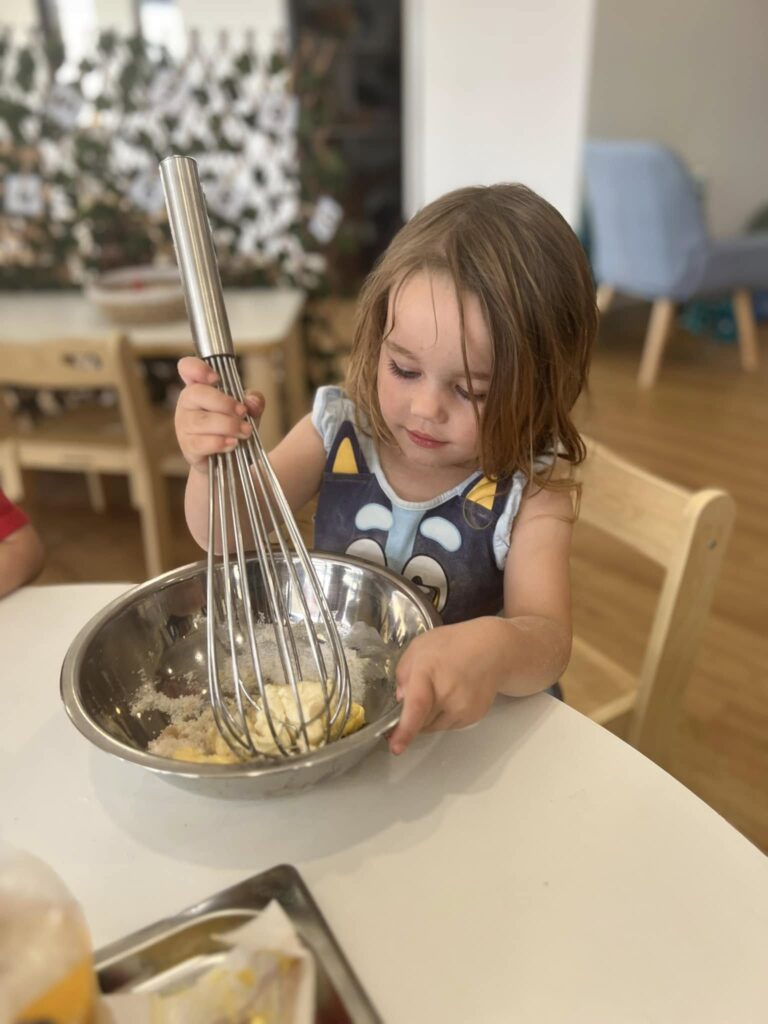
Children learn by watching adults, so its important as a parent to be a positive role model. Take your time eating, avoid rushing, and show appreciation for the flavours and textures in your meal. This will encourage children to model your behaviour and be mindful of what they eat.
There are many fun ways to help your child become more mindful during mealtimes.
The “5 Senses” Eating Exercise is a simple, mindful activity that encourages children to slow down and explore food using all their senses - sight, smell, sound, touch, and taste. Before eating, invite children to focus on one piece of food — for example, a slice of apple, a cracker, or a piece of cucumber — and explore it using each of their five senses.
1. Sight - Ask: What do you notice? What colour is it? What shape does it have? Does it look shiny or rough?
2. Smell - Ask: What does it smell like? Sweet, fresh, spicy, or earthy?
3. Sound - Ask: Does it make a sound when you bite or break it?
4. Touch - Ask: How does it feel? Smooth, bumpy, sticky, soft, or firm?
5. Taste - What flavours can you taste? Is it sweet, salty, sour, or mild? Does the texture change as you chew?
By slowing down and noticing the colours, shapes, textures, aromas, and flavours of what they’re eating, children become more aware of their food and how it makes them feel. T
There are also a range of mindful eating games you can play with your child, that are fun and interactive! Some examples are:
1. Taste Detective - Children taste small pieces of food while blindfolded and try to guess what it is. This encourages them to focus on flavour, texture, and smell.
2. Colourful Plate Challenge - Encourage children to create a plate with as many colours as possible. Talk about each colour and the different nutrients it represents.
3. Slow Chew Challenge - Ask children to take a bite and chew slowly, counting to 10 before swallowing. This helps them notice flavours and textures and encourages mindful eating.
4. Food Scavenger Hunt - Ask children to find foods on their plate that match certain criteria: a round shape, a green colour, or a soft texture. This turns mealtime into a playful learning experience.
It can also be fun to tell different stories incorporating food or prompt your child to tell their own story. Through storytelling, children can imagine where their food comes from, create fun food adventures, or describe a meal as if it were a story. Keep a food journal also gives children a space to record their experiences - noting down what they ate, how it tasted, or what new foods they tried.
Picky eating is common in young children, as they try new food for the first time. Addressing this involves using patience and creativity, such as incorporating mindful eating games or strategies like mentioned above. You want to help your child explore new foods without the pressure of forcing them to eat something, which requires patience and ongoing positive reinforcement as a parent or caregiver.
Managing mealtime distractions is also an important part of encouraging mindful eating in children. Screens, toys or other external noises can make children eat quickly and miss the sensory experience of their food. That’s why it’s crucial to create a calming and distraction-free environment so they can enjoy food. Turn off all technology devices and TVs, set toys aside during mealtime and encourage conversation at mealtime.
Setting realistic expectations is key to supporting children’s mindful eating and healthy food habits. This might mean allowing children to take small bites when eating or allowing them to explore new foods at their own pace. Encourage them to choose from balanced options but also let them have a voice in the foot they choose. Setting these expectations will help prevent pressure and stress around eating.
At Aspire Early Education we promote mindful eating, encouraging children to listen to their bodies. Although we have set mealtimes each day, our approach is centered around allowing children to eat when they are hungry, without forcing them to finish everything on their plate. We don’t believe in force-feeding but instead create a calm and supportive environment that encourages mindful eating, allowing children to eat at their own pace. This fosters a healthy relationship with food, helping children develop a positive attitude towards eating.
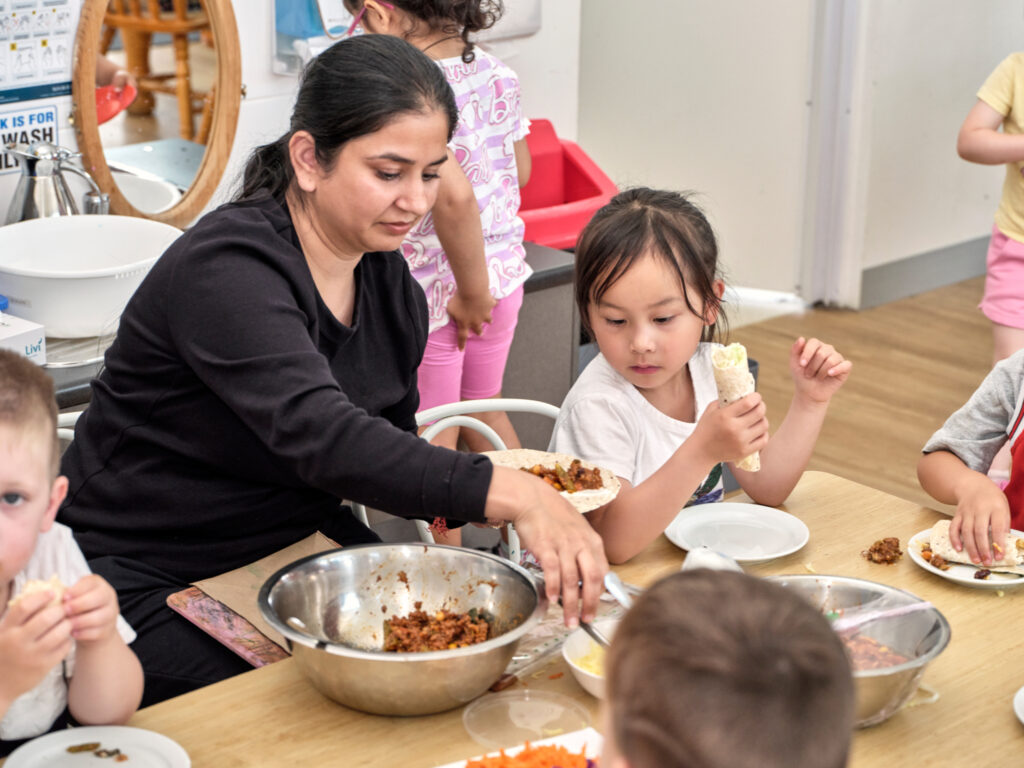
We also ensure that our portion sizes match the children’s age and energy needs, to help them develop healthy eating habits and avoid overeating. Throughout our curriculum, we also introduce children to the joys of food preparation, through our hands-on cooking experiences. These allow children to explore the ingredients, learn about nutrition, and develop a deeper appreciation for the food they eat.
Our goal is always to ensure that mealtime remains a positive experience, not a stressful one, while supporting your child's needs and preferences.
Mindful eating is a powerful tool for helping children develop a healthy and positive relationship with food. By paying attention to their senses, listening to hunger and fullness cues, and engaging with food in fun and meaningful ways, children learn to enjoy meals, try new foods, and build lifelong healthy habits.
If you liked this article, we also have a range of other resources that provide education and tips for parents. Check out some of them below:
Start simple by introducing mindful eating exercises and prompting them to talk about when they are hungry and full. By making it fun and engaging, they are more likely to respond positively.
Children can begin as early as 2 years old by observing and exploring food with their senses. Activities can be adapted to their developmental stage, such as tasting new foods, noticing textures, or helping with simple meal preparation.
Educators can create calm and distraction-free mealtimes, involve children in food preparation, use sensory exploration activities, and encourage reflection on hunger and fullness.
Even 5 minutes of focused eating or sensory exploration can be effective. You can then gradually add these practices into regular meals or snacks without making it feel forced.
Mindful eating and intuitive eating focus on slightly different aspects of how children interact with food. Mindful eating is about noticing the taste, texture, smell, and appearance of food. Intuitive eating is a broader approach that focuses on trusting the body’s internal signals to guide eating choices without restriction or judgment. For children, mindful eating teaches them to be aware while eating, while intuitive eating teaches them to trust and respond to their body’s needs.
Parents set the tone by eating mindfully themselves, showing curiosity about food, and discussing flavours, textures, and sensation of food. Children will then learn by observing these positive behaviours.
Yes. Mindful eating encourages gradual exploration of textures, smells, and tastes in a safe, playful way, helping children with sensory sensitivities become more comfortable and confident with new foods in a calm environment.
By exploring colours, smells, textures, and flavours of food, children can approach new foods with curiosity, rather than pressure, which will encourage them to be braver with food.
While picky eating may not go away overnight, mindful eating can encourage small steps such as noticing different foods, textures and tastes. It can also remove mealtime stress and allow children to eat at their own pace.
Children may slow down while eating, notice tastes and textures, pause when full, express curiosity about foods, try new foods without pressure, and show enjoyment or satisfaction during meals.