



What Does Reconciliation Look like in Early Childhood?
Posted June 4th 2025






From 27 May to 3 June each year, it's National Reconciliation Week in Australia. This is a time to reflect on our shared history, cultures and the achievements of Aboriginal and Torres Strait Islander peoples and non-Indigenous Australians. It’s a moment to acknowledge the truth and look towards a more inclusive future.
At our centres, we see this week as a meaningful opportunity to introduce children to the values of understanding, inclusion and shared history in age-appropriate, engaging, fun ways.
Reconciliation isn’t just a single moment or even, it’s an ongoing journey. And that journey begins with awareness. For young children, the foundations of respect, empathy and curiosity are built early on. That’s why it’s so important to create space for these conversations, stories and cultural connections right from the start of their learning journey.
We’re proud to support this through all sorts of experiences such as incursions, chats, sharing stories, artworks and everyday moments.
What’s so beautiful about young children is their nature: they’re naturally curious and open-hearted. They’re learning how the world works through what we tell them, what we show them, what we share, and how we encourage their imagination.
When we bring First Nations stories, voices and experiences into our centres and into everyday learning, we help build a foundation of respect that they carry with them as they grow.
Reconciliation isn’t just something for adults, it involves all of us. And in early childhood education, we have a special opportunity to begin that journey with children in thoughtful and age-appropriate ways. That might be through a storybook about our history, a painting with natural materials, learning about native plants, or a quiet moment spent listening to the sound of traditional instruments.
By acknowledging Aboriginal and Torres Strait Islander peoples as the First Peoples of this land, we’re also recognising that their culture is not just part of our past, it’s as much part of the present and the future.
This year, across all centres, we made space for connection, learning and celebration. Our educators planned a wide range of experiences to mark Reconciliation Week, with a focus on hands-on learning and stories!
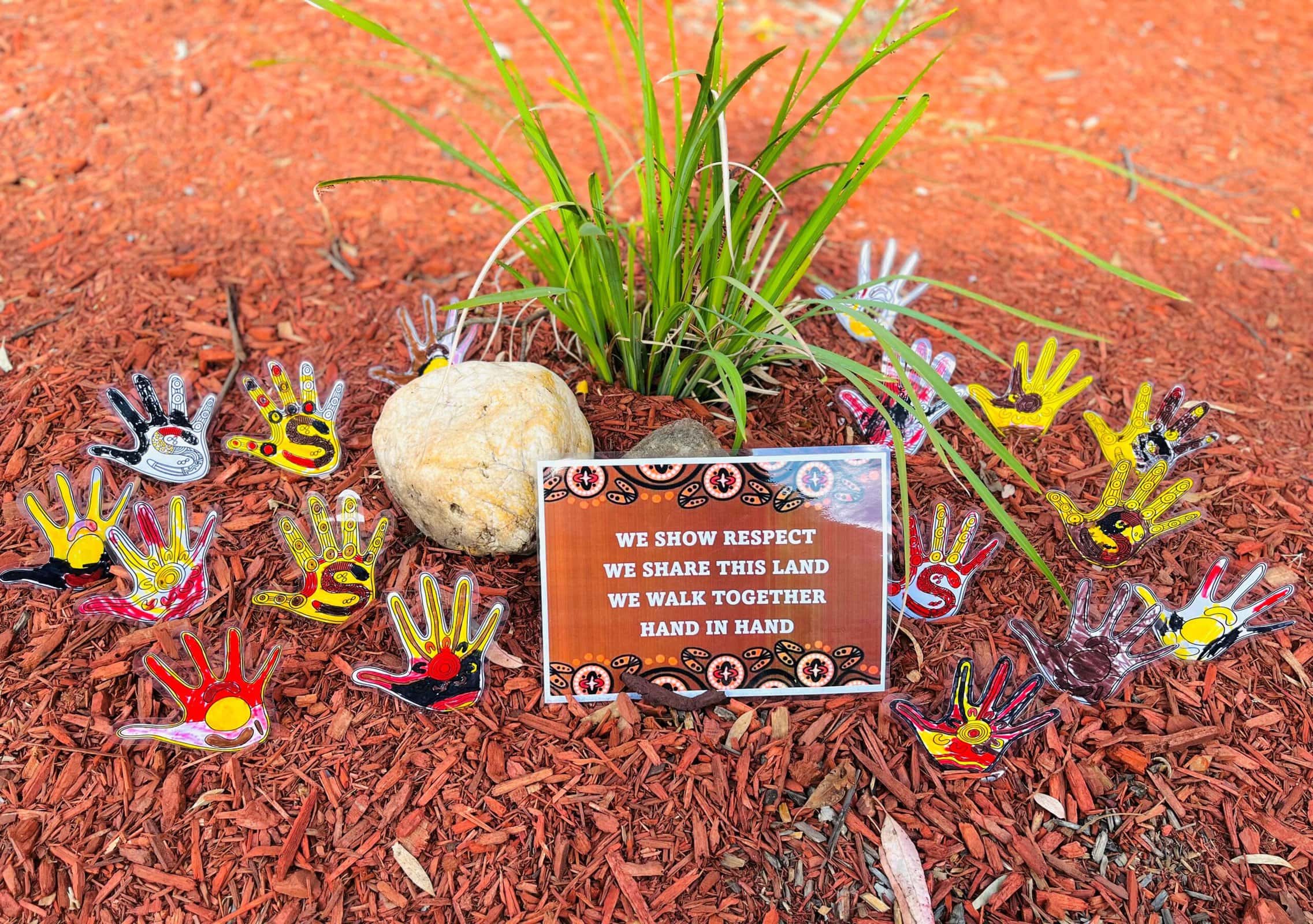
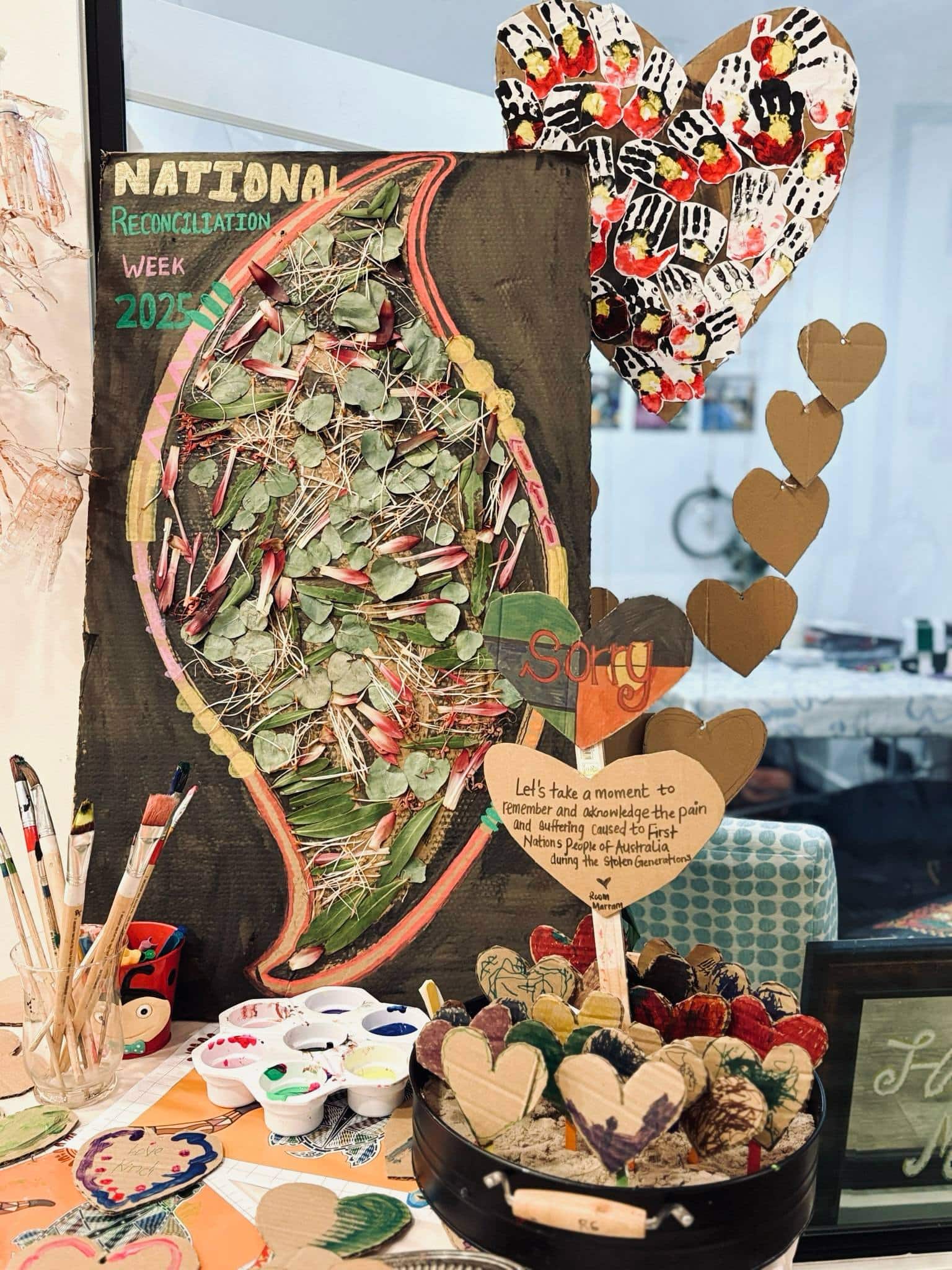
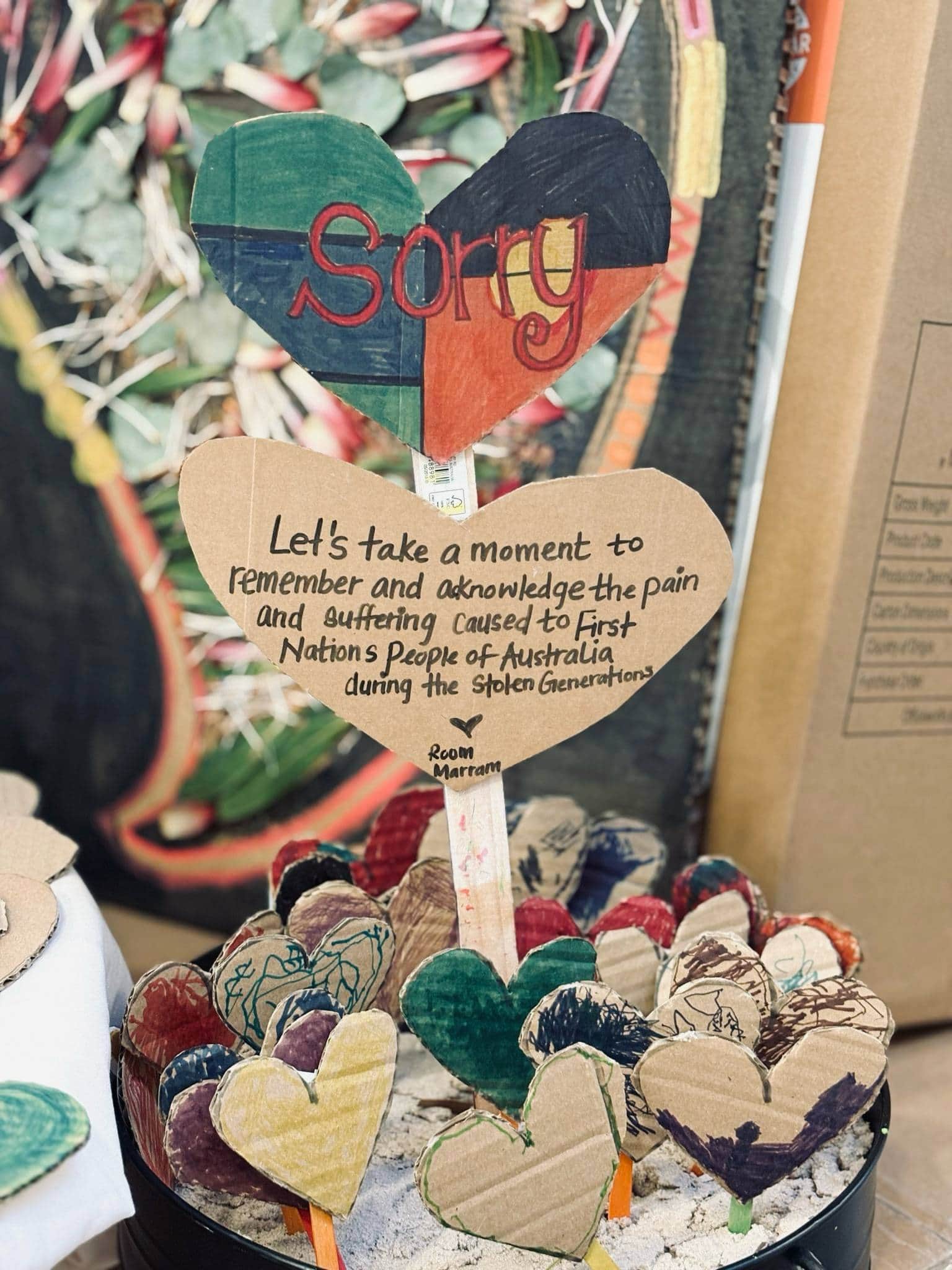
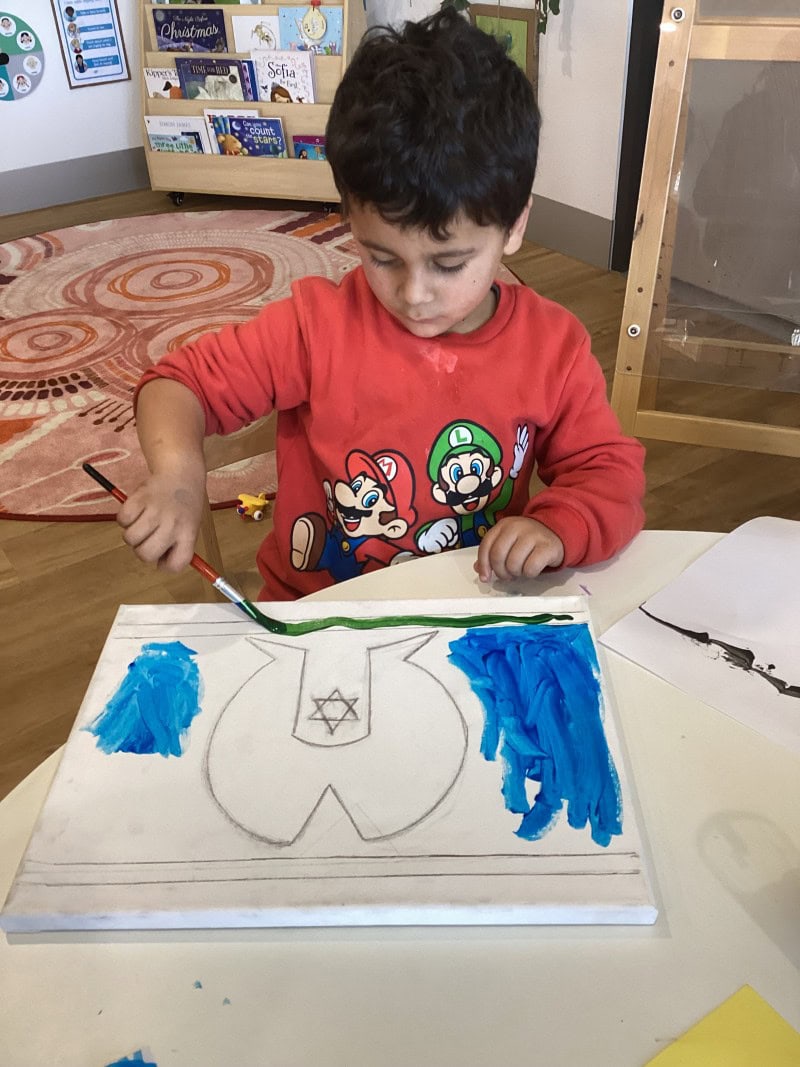
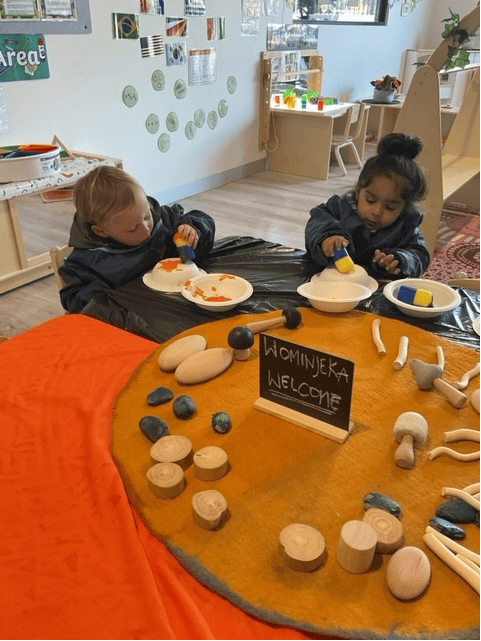
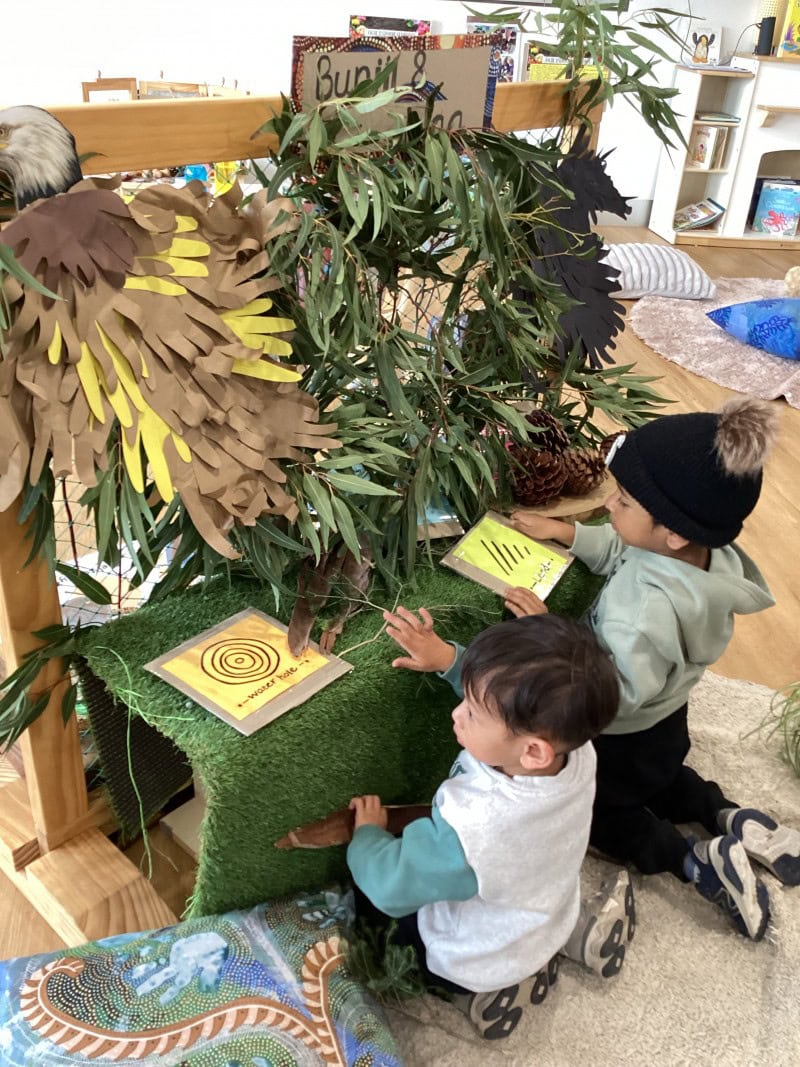
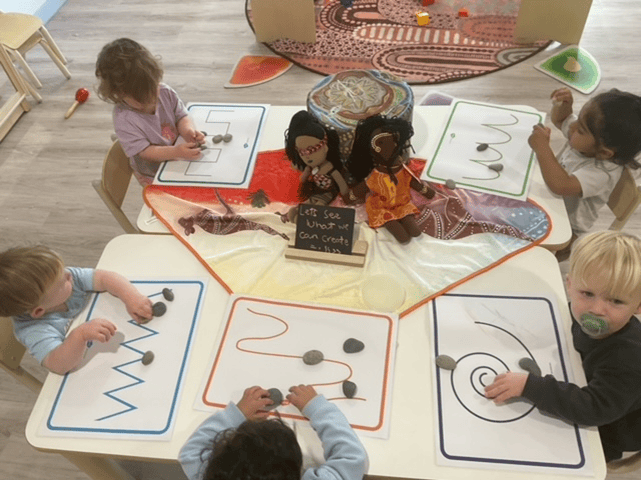
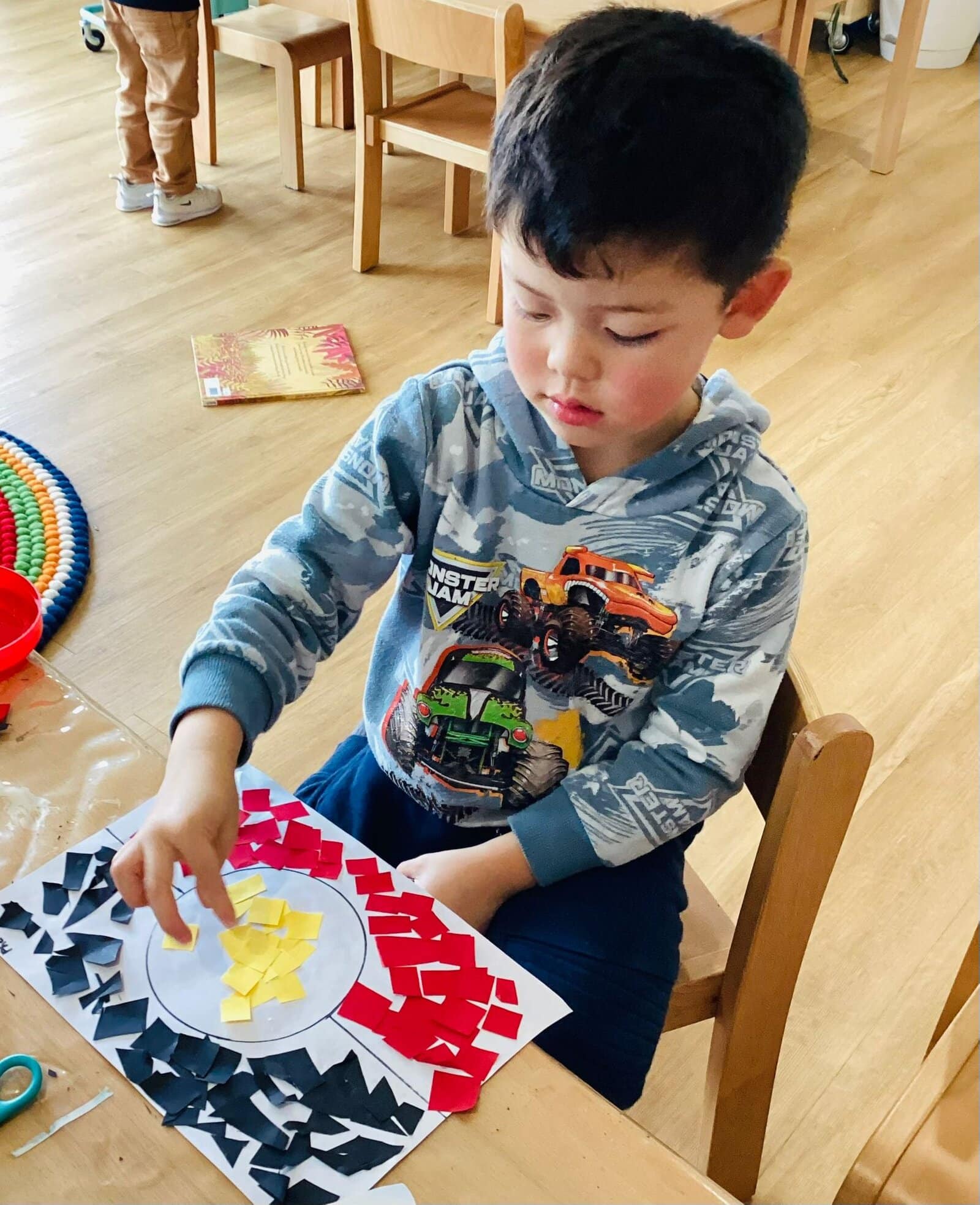
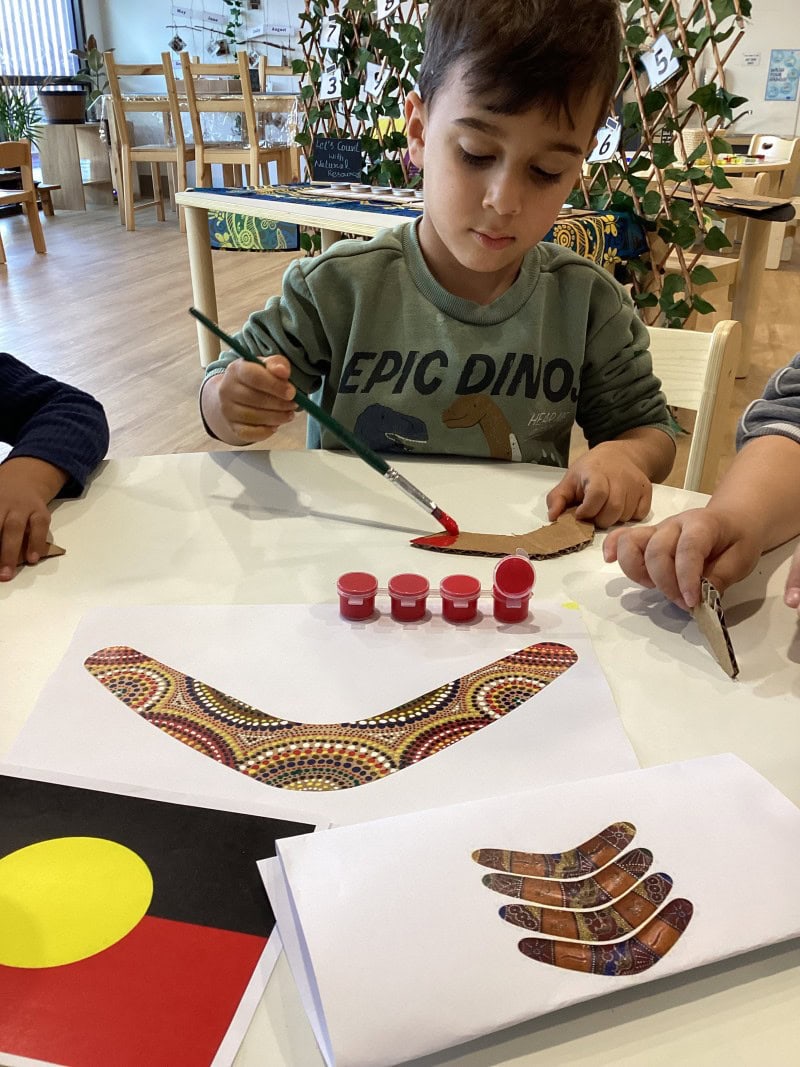
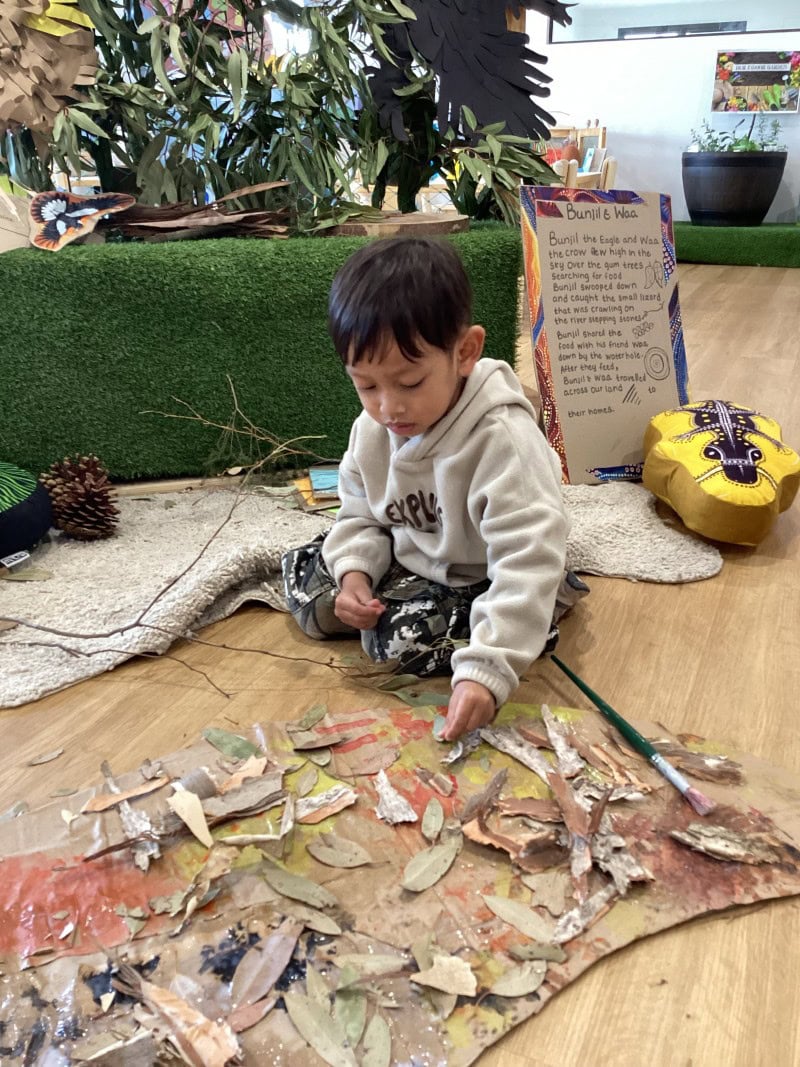
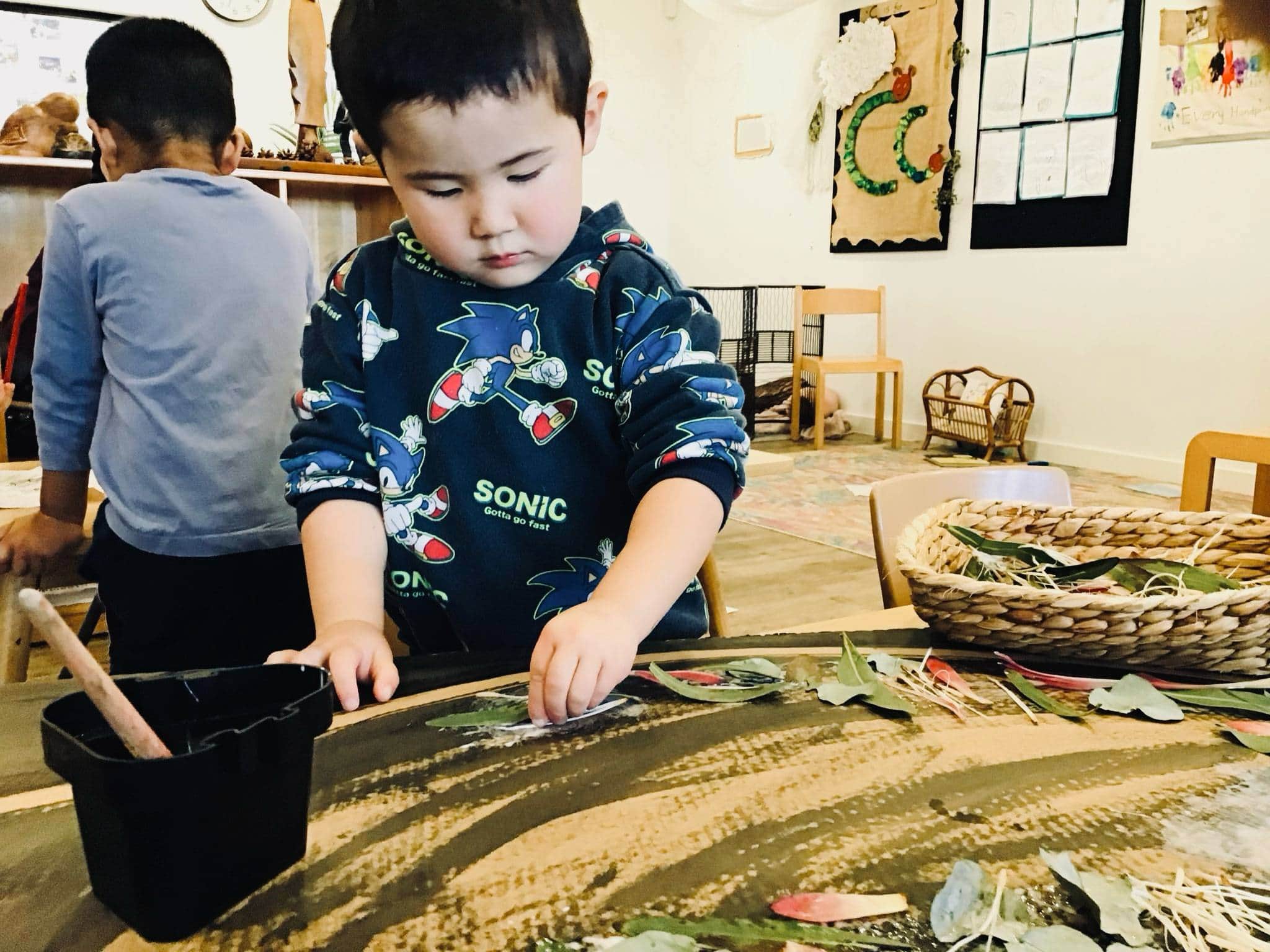
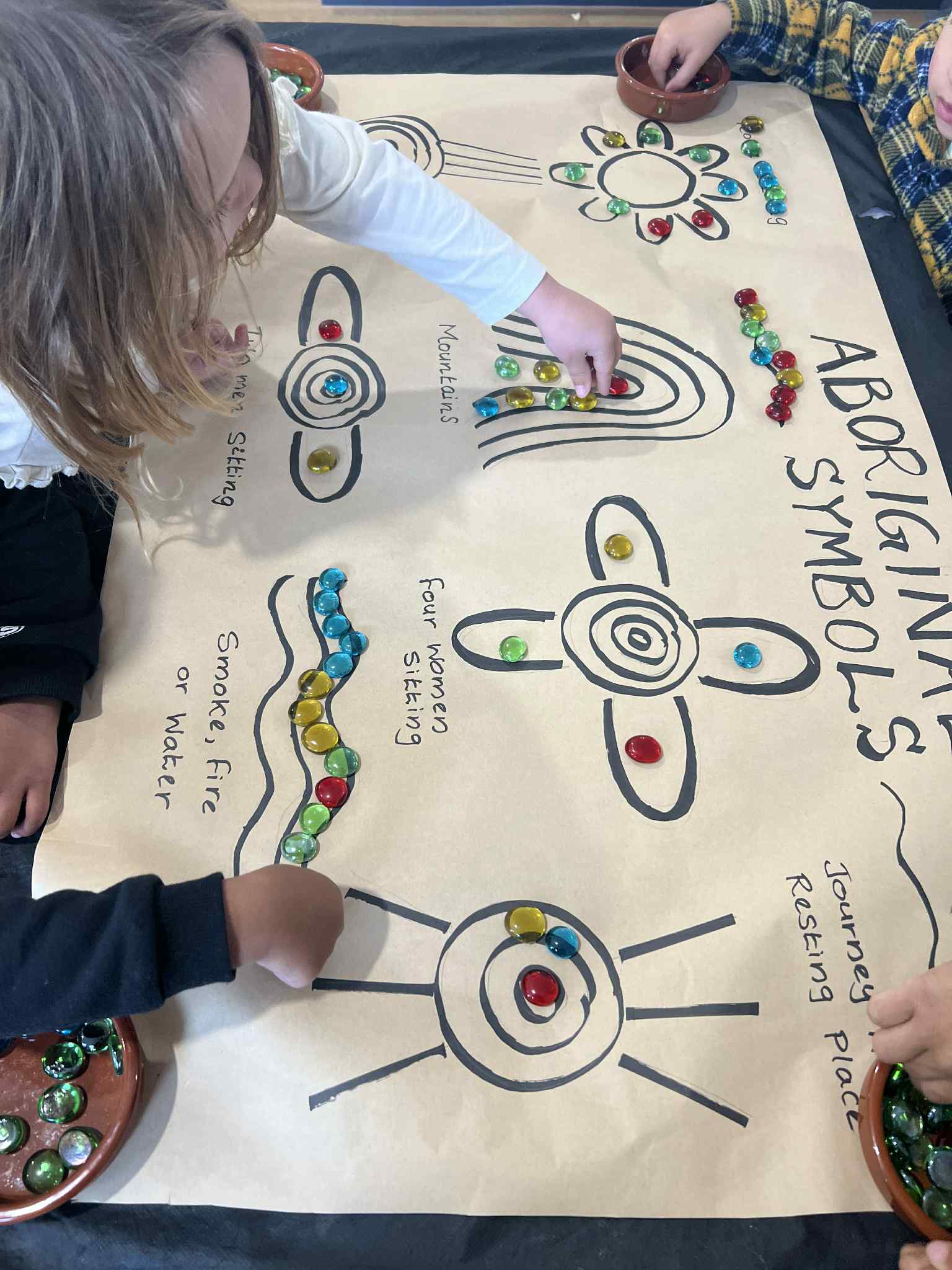
We explored culture through lots of creative work! Children across all centres created beautiful pieces using dot painting techniques, natural materials, and earthy tones. These weren’t just art projects, they were a way to tell stories and express ideas about land, community, and identity.
At some centres, the children worked together on collaborative artworks, each adding their own mark. Isn't this a beautiful symbol of unity and connection?
Here are just a few of the arts and crafts activities our centres enjoyed:
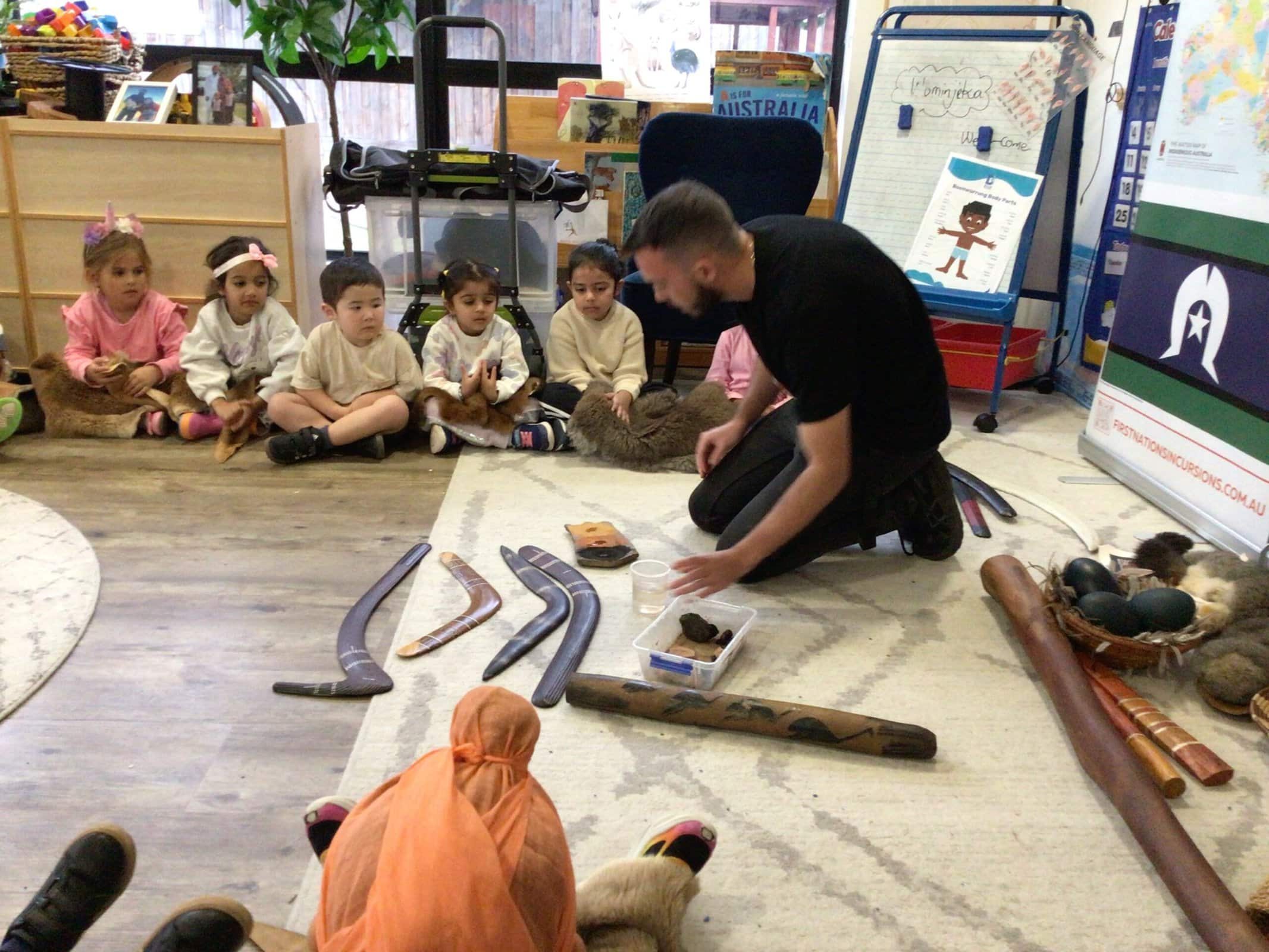
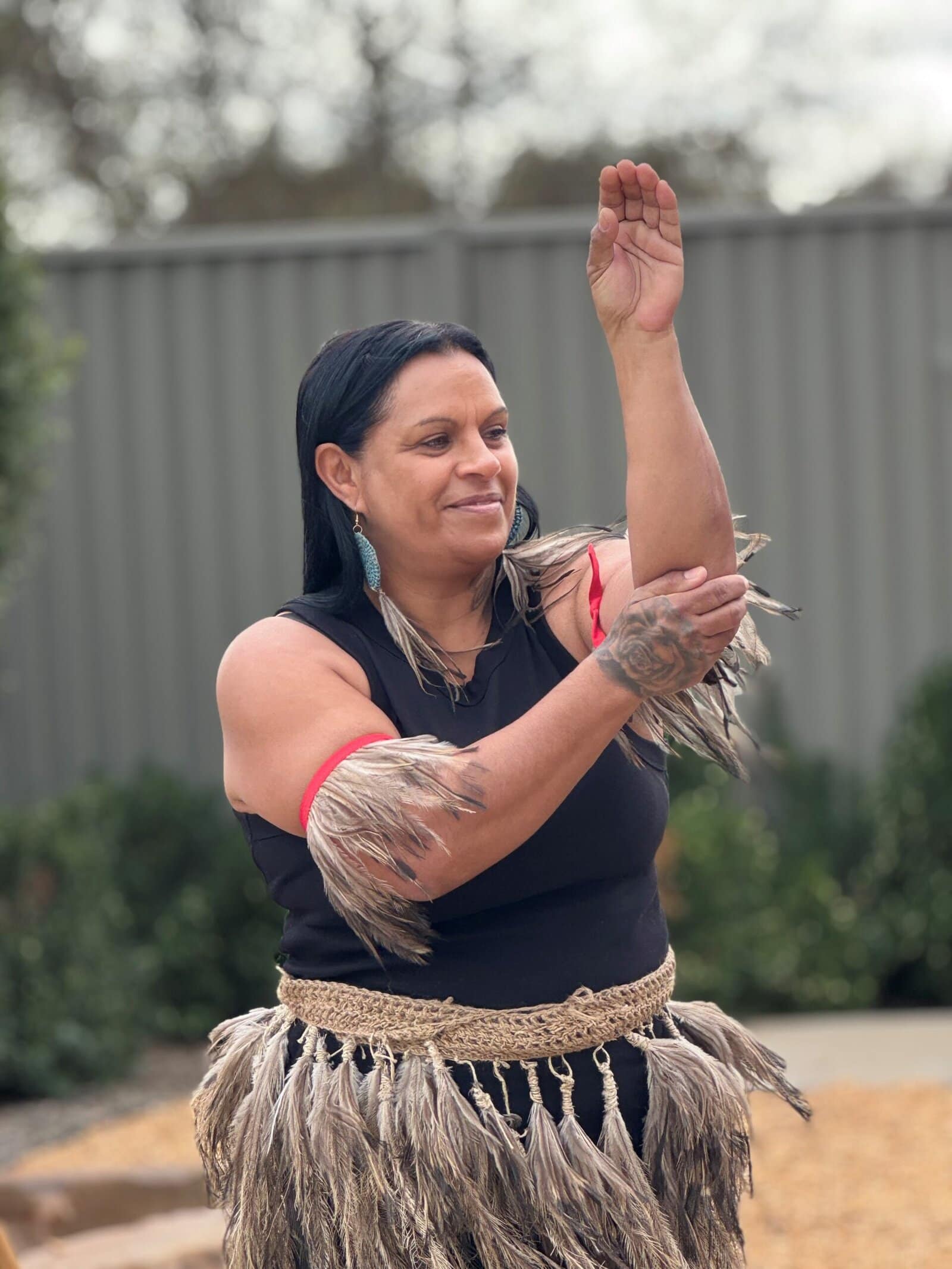
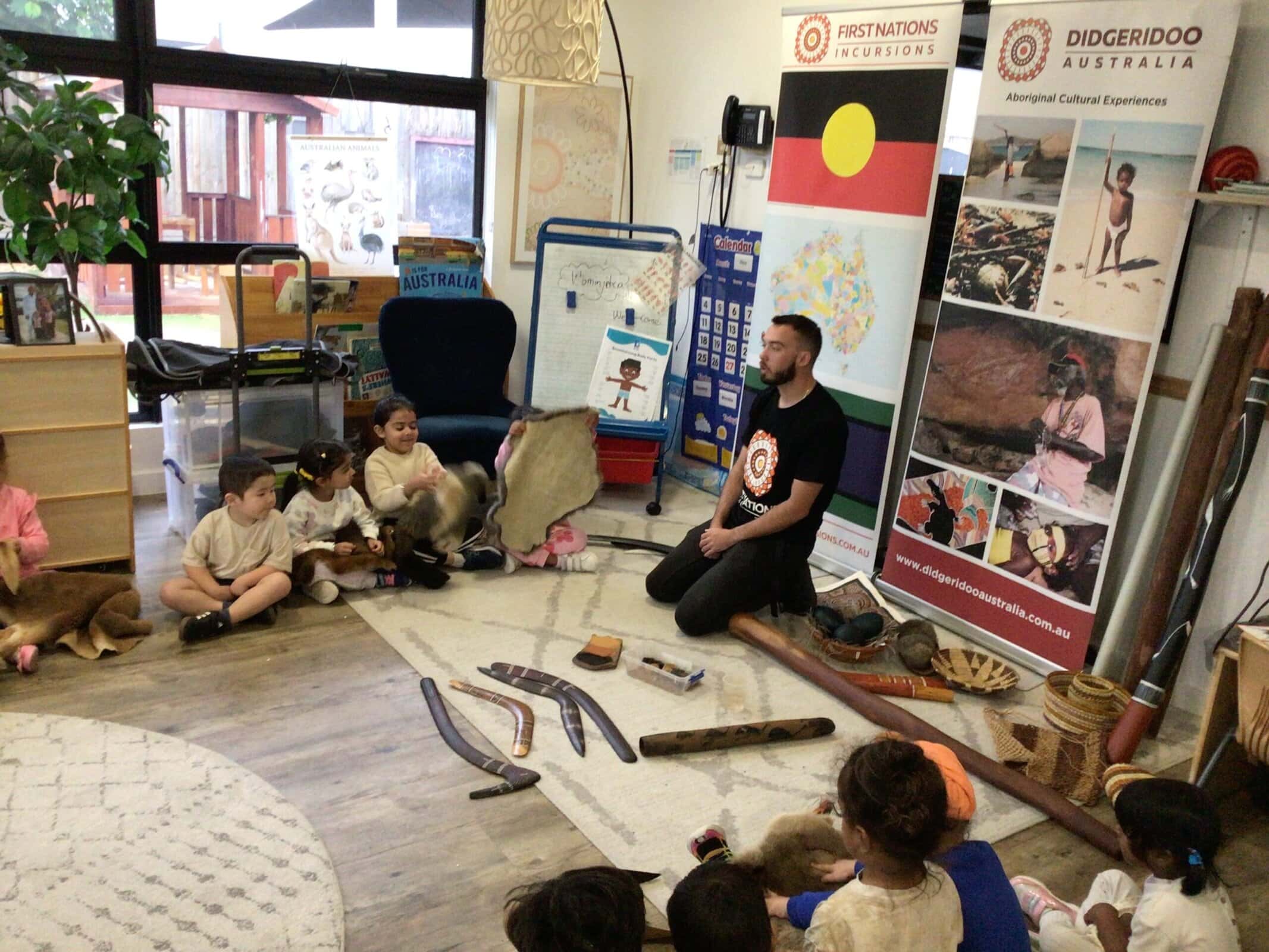
Music and storytelling were an important part of the week, too. Some centres invited First Nations guests to share their culture in person. At Aspire Berwick Waters, we welcomed Didgeridoo Australia, where First Nations artist Ronan shared stories, instruments and artwork. Ronan explained the history and traditional use of the didgeridoo, and the children listened all carefully to its deep and rhythmic sound. He talked about its connection to nature and storytelling.
He also brought along native animal skins. The children were invited to gently touch them and guess which animal they came from, sparking respectful curiosity. He showed a variety of boomerangs, explained their different types and purposes and answered many of the children’s eager questions about boomerangs and animals.
This incursion offered a beautiful opportunity to learn through storytelling, sensory exploration and meaningful dialogue. Personal experiences like this bring culture to life, creating real connections beyond books or classroom lessons.
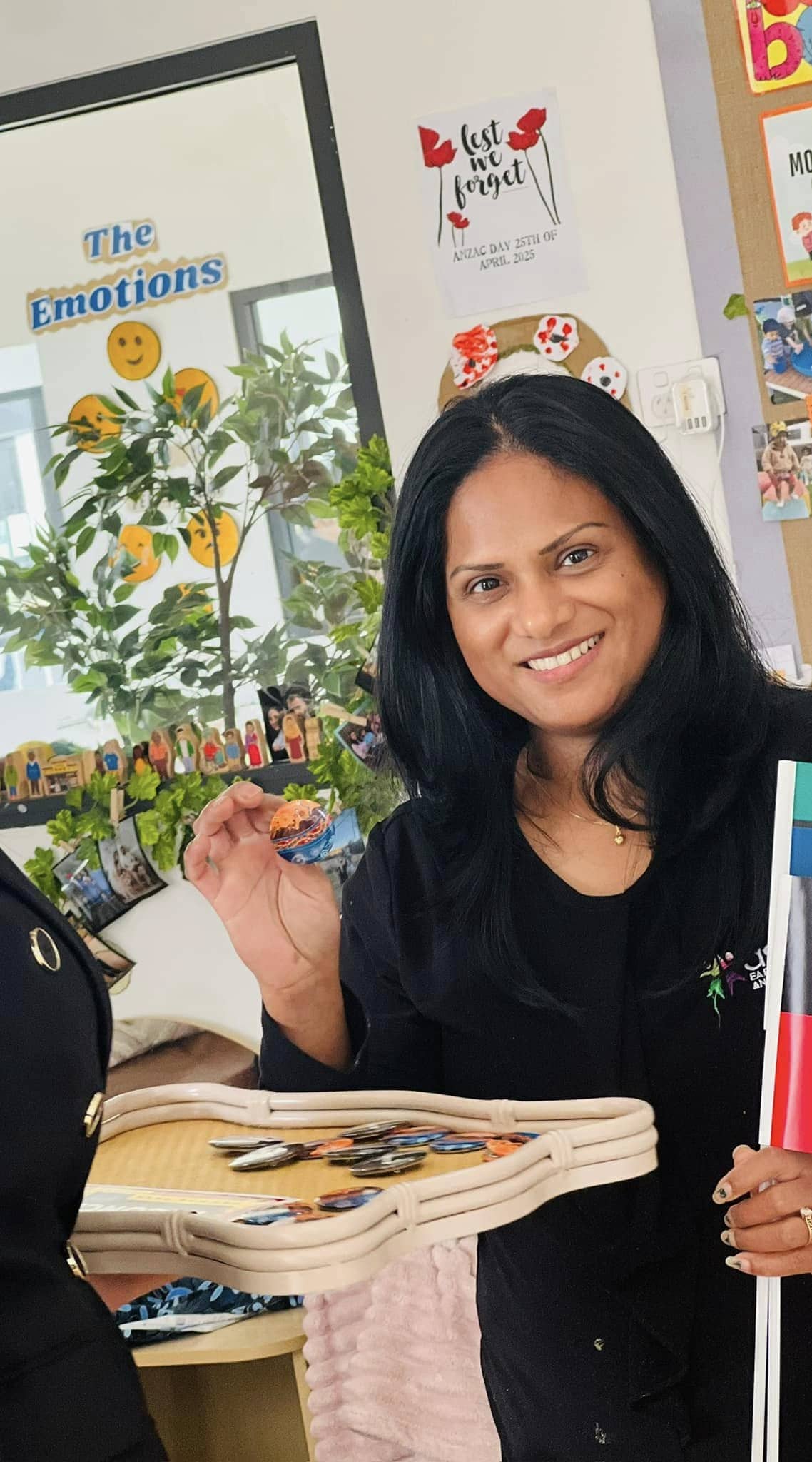
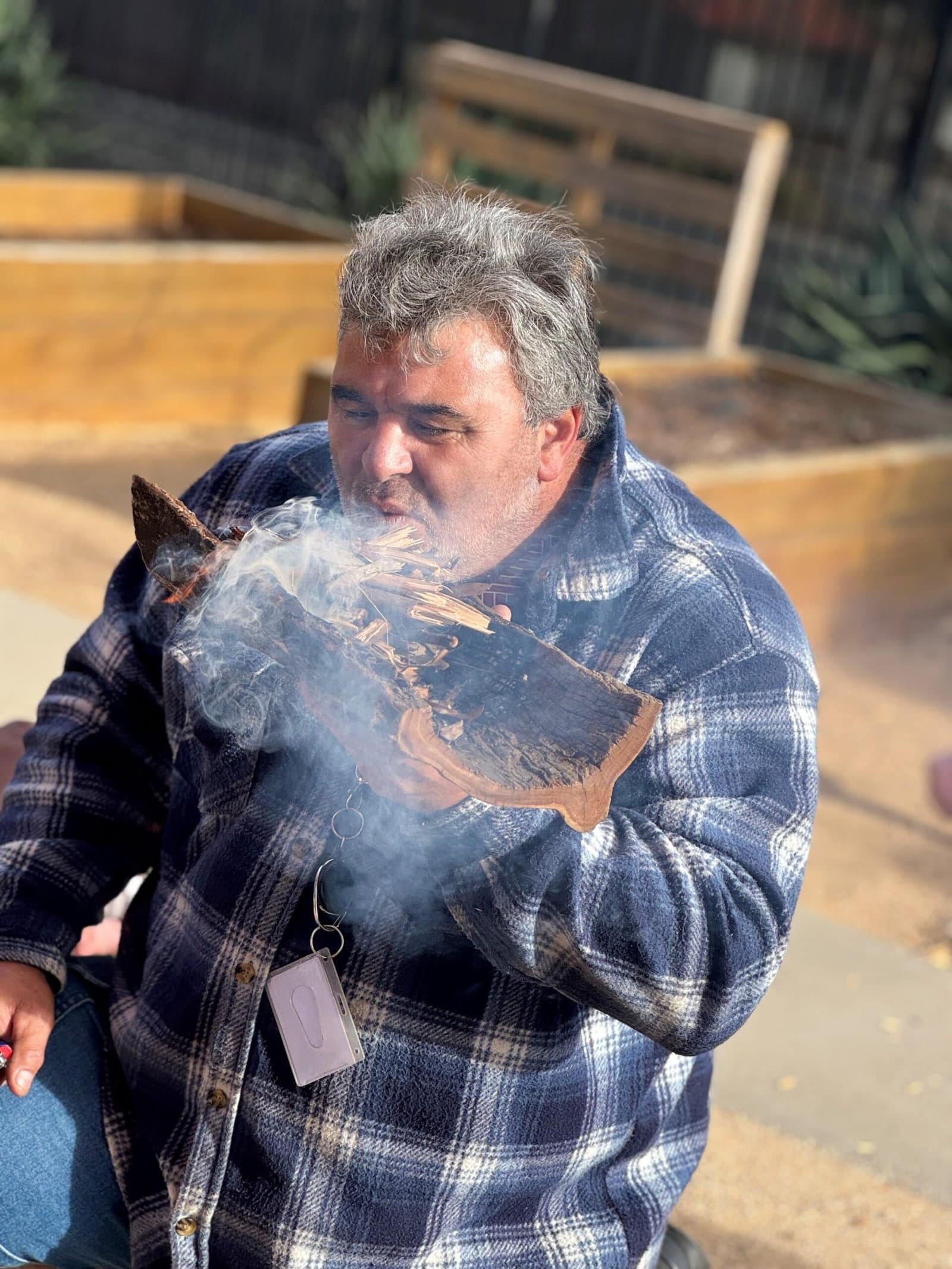
One powerful experience was the smoking ceremony held at Aspire White Hills. These traditional practices are used to cleanse and connect to Country. They offer a beautiful, respectful way for children to experience culture firsthand.
Many children watched in silence and asked thoughtful questions afterwards. These are the kinds of moments that stay with them, when learning becomes something they feel, not just something they hear.
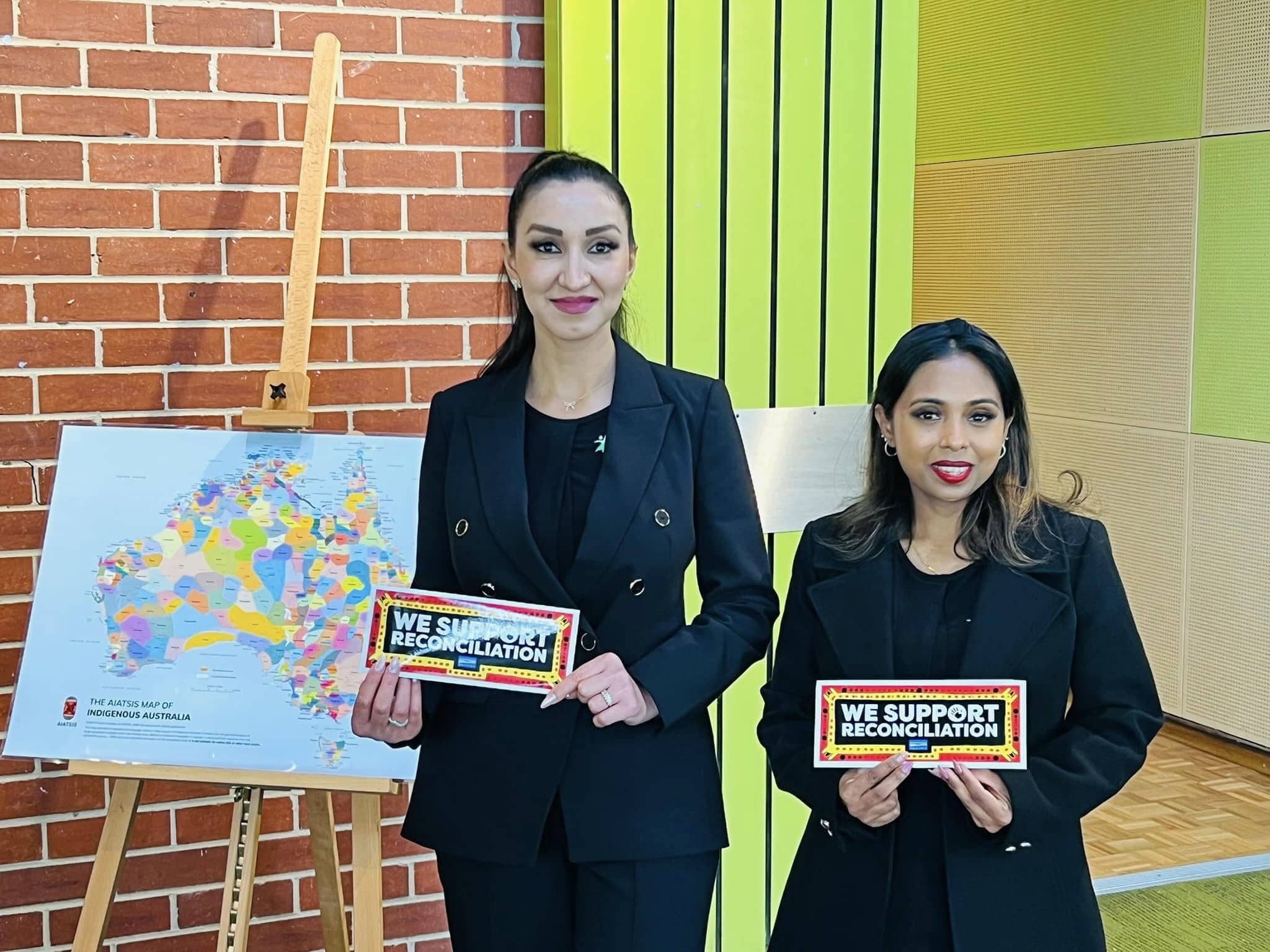
We were honoured that some of the Aspire centres were invited to take part in the Day Flag Raising Ceremony. Aspire Cobblebank was proud to be represented at the event held at Melton Civic Centre, hosted by Melton City Council and Kirrip Aboriginal Corporation.
At the same time, another Aspire Riverwalk welcomed by Trung Luu, Member of Parliament for Werribee, who kindly presented the Aboriginal and Victorian flags to the children in their centre.
We know that learning is strongest when there's a strong link between the centre and home. That’s why we encourage families to get involved, whether by joining us at events, sharing stories at home, or simply talking with their children about what reconciliation means, in simple, everyday ways.
Reconciliation Week is also a time for us, as educators, to reflect. None of us know everything, but being open to learning, listening, and growing is what matters most. Throughout this week we’re having honest conversations with each other about this important topic. We don’t need to be experts to listen and grow and. What counts is respect, curiosity and a willingness to learn.
The goal is to make these learnings part of everyday life. It’s not about one activity or a themed display, it’s about truly embedding First Nations perspectives into our daily routines, all year round.
What does that look like in our centres?
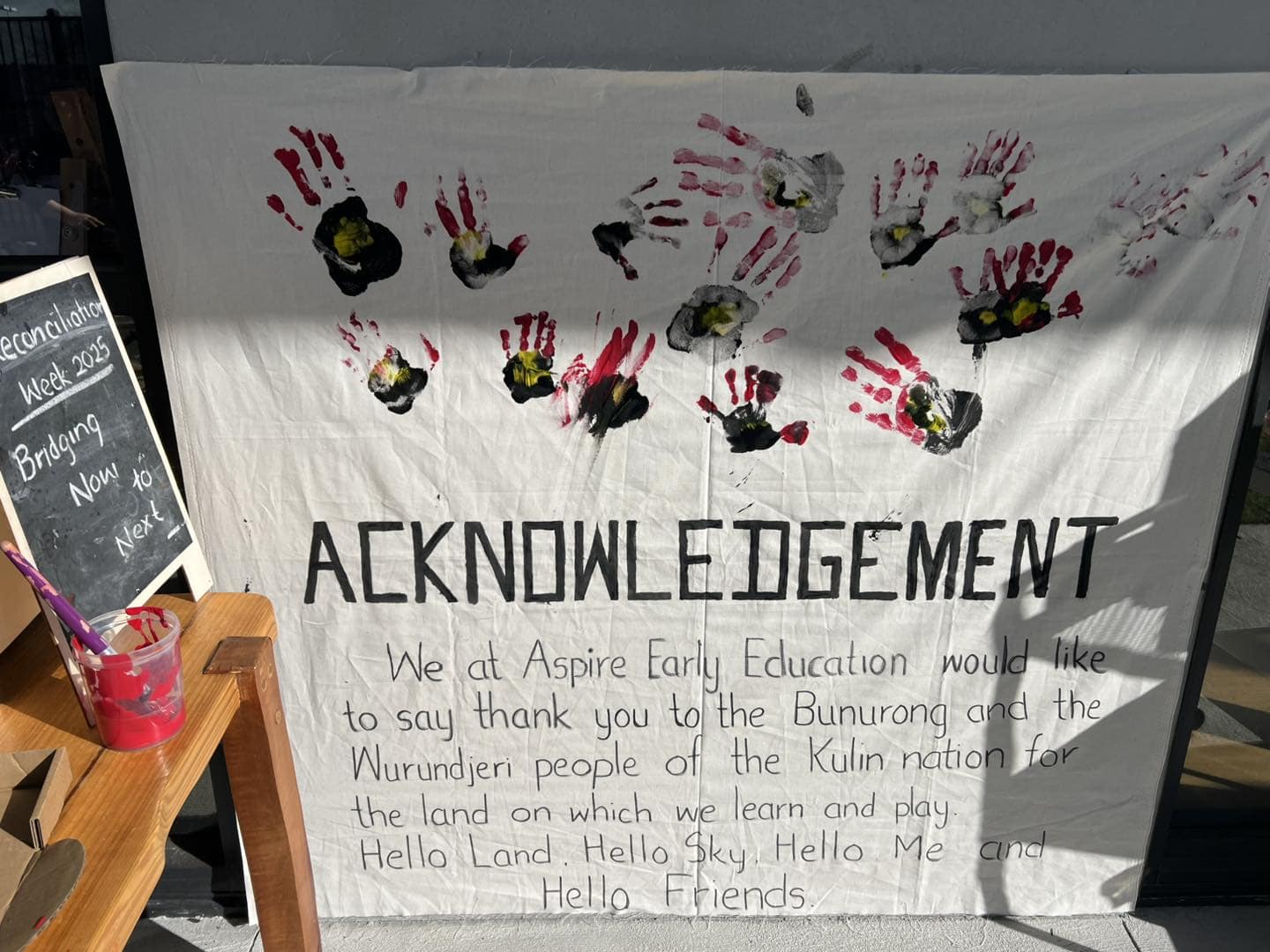
• A warm Acknowledgement of Country that welcomes you as you enter
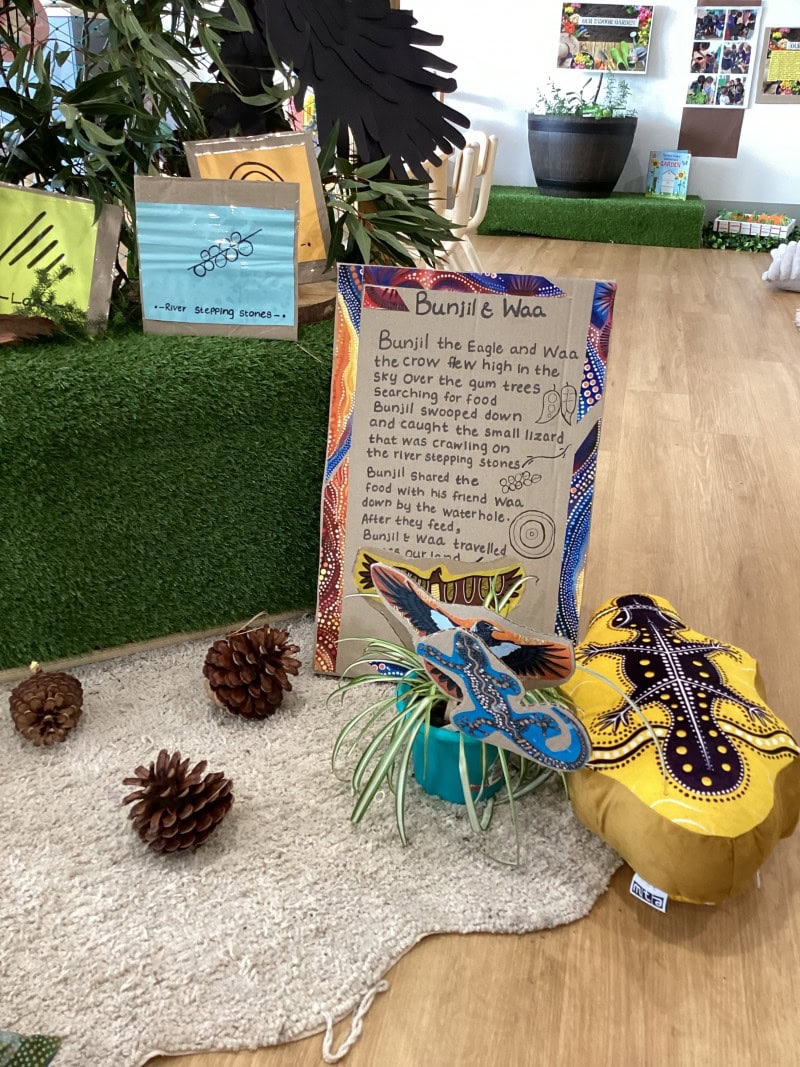
• First Nations storybooks into our reading time
• Learning about the Traditional Custodians of the land we live and play on
• Cushions, rugs and mats featuring Aboriginal art in our spaces
• Exploring native plants as part of outdoor play
When these elements are part of our everyday environment, children grow up knowing that Aboriginal and Torres Strait Islander cultures aren’t just part of the past and they’re alive, present and valued.
Reconciliation Week was a week for all of us. A week to pause, reflect and ask how we can help create a more inclusive and fair Australia.
We’re proud of how our centres embraced the week, all the centres organised meaningful, engaging activities where the children showed curiosity, kindness and a real openness to learn. And by starting young, we’re helping raise a generation ready to walk forward together, with knowledge, respect and care.
Because reconciliation isn’t just about remembering the past. It’s about shaping a better and happier future together.