




Sensory Learning Experiences at Aspire Pakenham
Posted January 28th 2025






Sensory learning experiences are incredibly important in early childhood education as they help young children engage their senses and make sense of the world around them. These experiences promote brain development and foster essential skills in areas like language, motor development, cognitive processing, and emotional regulation.
At Aspire Early Education Pakenham, they embed sensory learning experiences into their curriculum each week, and for each age group.
Learn more about some of these sensory activities and the benefits of engaging in this type of play in early education.
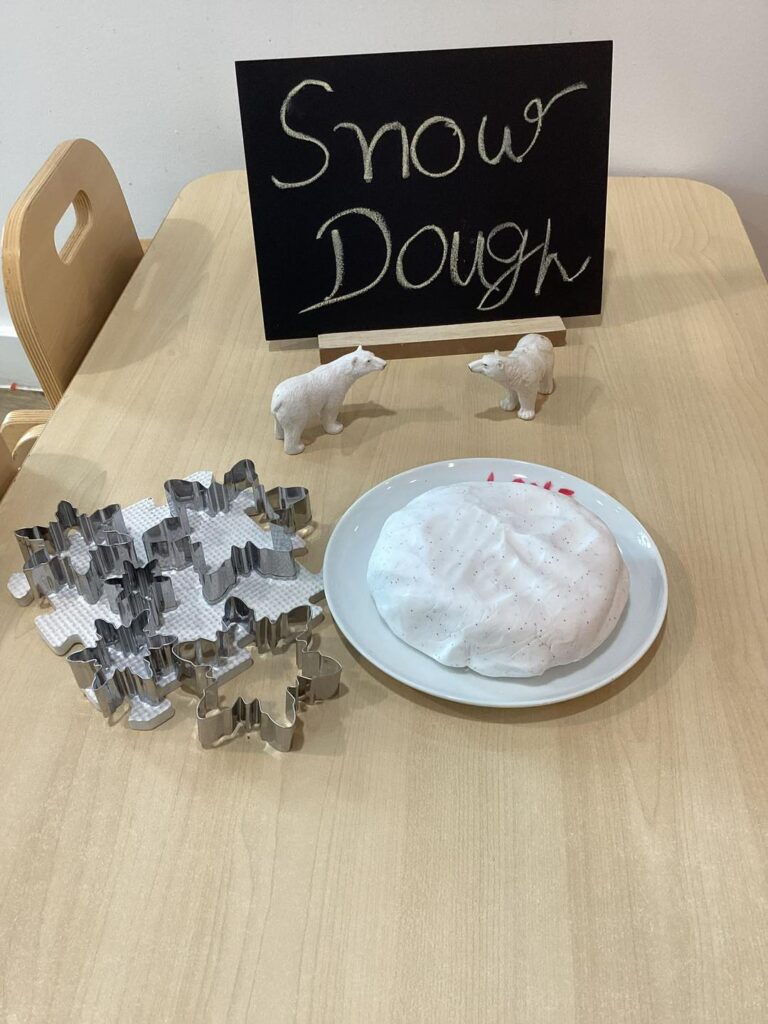
Recently The Gumnuts nursery children had a snow-tastic time with snow dough play! With snowflake cookie cutters and adorable snow bear figurines, the nursery children explored the soft, sensory texture of the dough. They loved creating shapes and pressing the snow bears into the snow dough, sparking their creativity and imagination.
Playing with dough is a great hands-on activity, that allows children to touch, manipulate, and explore different textures. This is great for helping them develop their fine motor skills and tactile sensitivity at a young age.
Another activity the Gumnuts recently engaged in was an exciting Ocean Sensory Dig activity, designed to stimulate their senses and curiosity! The setup included a large tray filled with blue water, representing the ocean. Hidden inside were colourful ocean-themed toys like fish, seals, and starfish. This hands-on activity provided a perfect blend of sensory exploration and imaginative play.
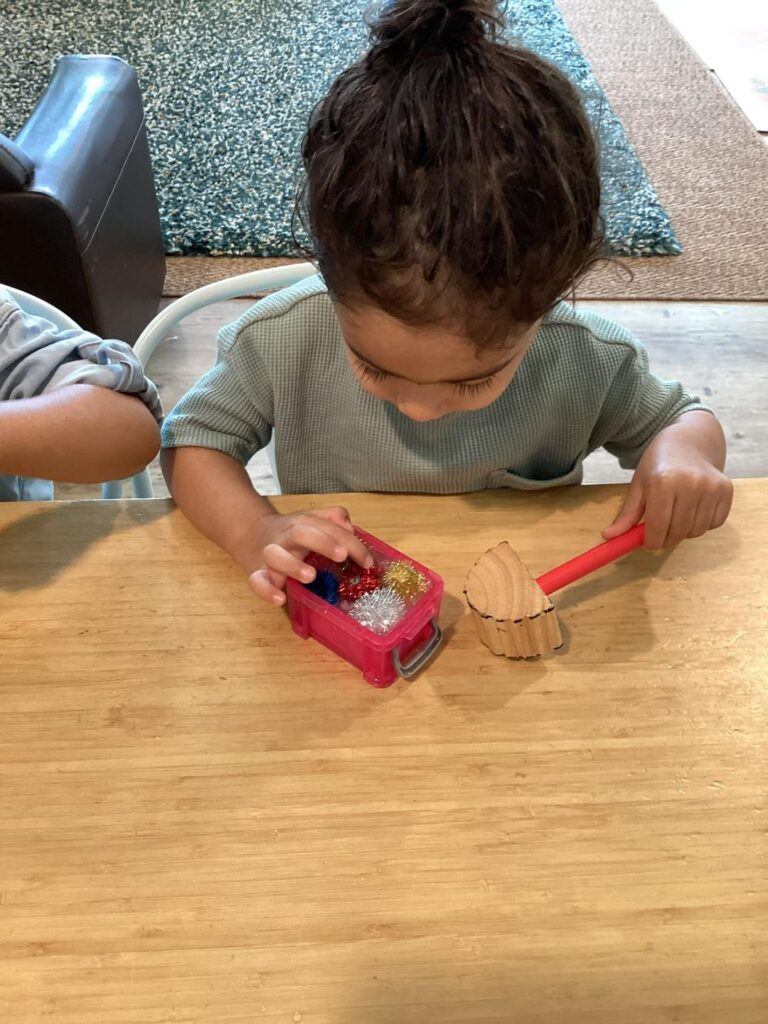
Our Wattles toddler children had an ice-citing sensory adventure recently! Using ice cubes and colourful pom poms, the little ones explored textures and temperatures, adding an extra layer of fun with wooden toy hammers. They worked hard to free the pom poms from the ice, excitedly engaging with the activity.
This sensory experience sparked curiosity, boosted their hand-eye coordination, and built self-confidence as they discovered their ability to solve challenges independently.
As we’re in the middle of Summer, the children have been learning to apply sunscreen on their own, as part of our Sun Safety Program. Developing their self-help skills, the toddlers followed the Educator’s instructions and tried to apply sunscreen confidently on their skin. This activity increased their self-confidence, as well as the sensory touch of sunscreen, and role modelling skills among children.
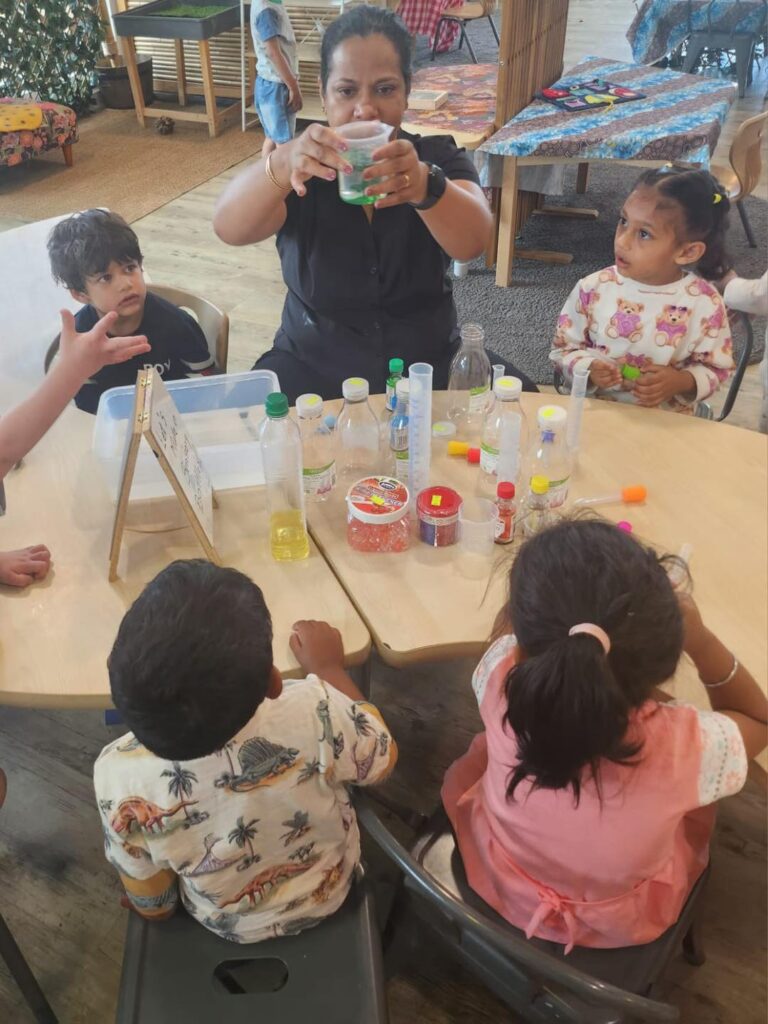
Children in the Bushland Kinder room have had a wonderful time creating sensory bottles. They used pipettes to carefully transfer coloured water into the bottles and added various materials to enhance the sensory experience. These sensory bottles not only engage the children’s creativity and fine motor skills but also provide a calming effect. The act of watching the colours and materials swirl inside the bottle can help soothe and regulate emotions, offering a peaceful sensory experience. These bottles are a great tool for promoting relaxation and focus, supporting emotional well-being in young children as well.
Sensory activities in early education offers loads of benefits that are crucial for a child's development. These activities help engage multiple senses—touch, sight, sound, taste, and smell—which in turn supports various cognitive, physical, and emotional growth.
Below are some of the key benefits of sensory activities.
Enhances Cognitive Development - Sensory activities encourage children to explore and experiment, which encourages their thinking and problem-solving skills. For example, playing with water or sand can involve trial and error, which helps children learn about cause and effect.
Promotes Language Development: Sensory experiences often involve rich vocabulary (e.g., describing textures, smells, or sounds), helping children build language skills and expand on their vocabulary. They learn to articulate their feelings and experiences and grow their understanding of words and concepts.
Boosts Fine Motor Skills - Sensory activities often require children to use their hands and fingers, which helps develop their fine motor skills. Activities such as the snow dough play activity that the Pakenham nursery children participated in, is a great example of fine motor practice.
Supports Emotional and Social Development - Sensory experiences like playing with calming materials (e.g., squishy stress balls or sand) can help children develop self-regulation skills by providing a way for them to manage their emotions. Sensory play, especially in group settings, encourages social interaction and cooperation. Children learn to communicate, negotiate, and empathise as they engage in sensory activities together.
Stimulates Creativity and Imagination - Sensory activities can encourage creativity and spark a child’s imagination. Children are often free to experiment with the materials in whatever way they want, fostering imaginative play. This can lead to richer storytelling, artistic expression, and creative thinking.
Increases Engagement and Motivation - Sensory activities are often hands-on and engaging, which can increase children's motivation to participate in learning. These activities promote curiosity and exploration, making learning more enjoyable for children.
Supports Brain Development - Engaging multiple senses stimulates different areas of the brain. The more senses a child uses, the more neural connections are made, which enhances overall brain development. Sensory activities also help with the development of neural pathways involved in learning, memory, and processing information.
As you can see there are many benefits of sensory play for young children, which is why we incorporate sensory learning into our Aspire programs. If you’d like to learn more about Aspire Pakenham, then book a tour of the centre today!
Book a tour online here, or contact tour friendly team on 1800 978 429.