




Dental Checkups and Oral Hygiene at Aspire Truganina
Posted May 21st 2024






Creating good oral hygiene habits from a young age sets the stage for a lifetime of healthy teeth and gums. Many of our Aspire Early Education centres offer dental visits during the term, which provide dental checkups at the comfort of your child’s childcare centre.
On the 8th of May, Aspire Early Education Truganina were fortunate to have a dentist visit from Dentist 2 You. Dentist 2 You are a team of professional dentists who visit local kindergartens and provide oral examinations to children and track their dental development. Children who submitted a parent/guardian consent form were seen by the dental team and had a thorough checkup. Every child was also given a report of their visit to take home to their parents.
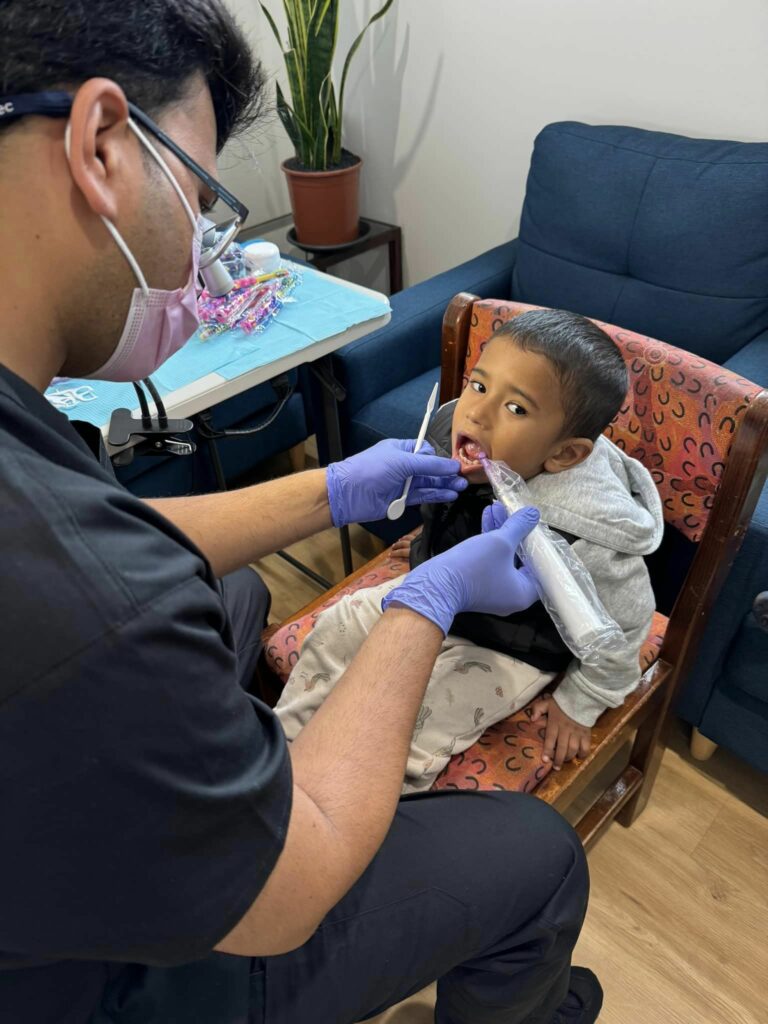
As well as providing this dental checkup, the team also spoke to the children about the importance of healthy habits and explained easy ways to keep teeth healthy and clean.
The children greatly benefited from this experience, and felt supported by their peers and educators.
Aspire Truganina recognises that promoting oral health and instilling good habits can have a crucial effect on a child’s overall development. Below we discuss the importance of oral hygiene in young children and why educators, parents and caregivers play a pivotal role in shaping their dental well-being.
Dental check-ups and learning about oral hygiene in early education and at home, are important for several reasons. Discover more about some of the benefits below that can impact both the immediate and long-term health and well-being of children:
Regular dental check-ups help in the early detection of dental issues such as cavities, gum disease, and misalignment of teeth. Early detection means that problems can be addressed promptly, often with less invasive treatments, preventing more serious complications as adults.
Regular visits to the dentist from a young age help children understand the importance of oral hygiene and encourage good teeth brushing as part of their daily routine. Dentists can teach children proper brushing and flossing techniques, encouraging good habits that can last a lifetime. If your children are resisting teeth brushing time, then try use colorful and fun toothbrushes, play a song, or set a timer on your phone app that acts as encouragement.
Tooth decay is one of the most common chronic childhood conditions, but it is largely preventable. Regular check-ups allow for the application of preventive treatments such as fluoride varnish and dental sealants, which can significantly reduce the risk of cavities. The Australian Dental Association (ADA) has plenty of professional advice to help parents take best dental hygiene practices with their young children.
Dentists can provide valuable advice on diet and nutrition that impacts oral health. They can guide children and parents on which foods to avoid and which to include in their diet to maintain healthy teeth and gums. A balanced diet rich in fruits, vegetables, and dairy products provides essential nutrients for strong teeth and gums, and limiting sugary snacks and beverages can also significantly reduce the risk of cavities.
Regular dental visits help children become accustomed to the dental office environment. This familiarity can reduce anxiety and fear associated with dental visits, making them more likely to continue regular dental care into adulthood.
To learn more about Aspire Truganina and their programs, book a tour of the centre today or enquire now and speak with the team.